The Sherman tank stretches 19 feet 8 inches long, a benchmark that sounds impossibly massive for a combat vehicle. Yet several production cars available to civilian buyers actually exceed that length, highlighting how bloated modern automobiles have become compared to their historical counterparts.
Modern full-size SUVs dominate this list. The Chevrolet Suburban measures 19 feet 11 inches, edging past the Sherman by just three inches. GMC's Yukon XL hits 19 feet 10 inches. Both vehicles prioritize interior space and comfort over combat efficiency, sacrificing maneuverability for the three-row seating buyers demand. Ford's Expedition stretches to 19 feet 4 inches, just shy of the mark but representing an absurdly long vehicle nonetheless.
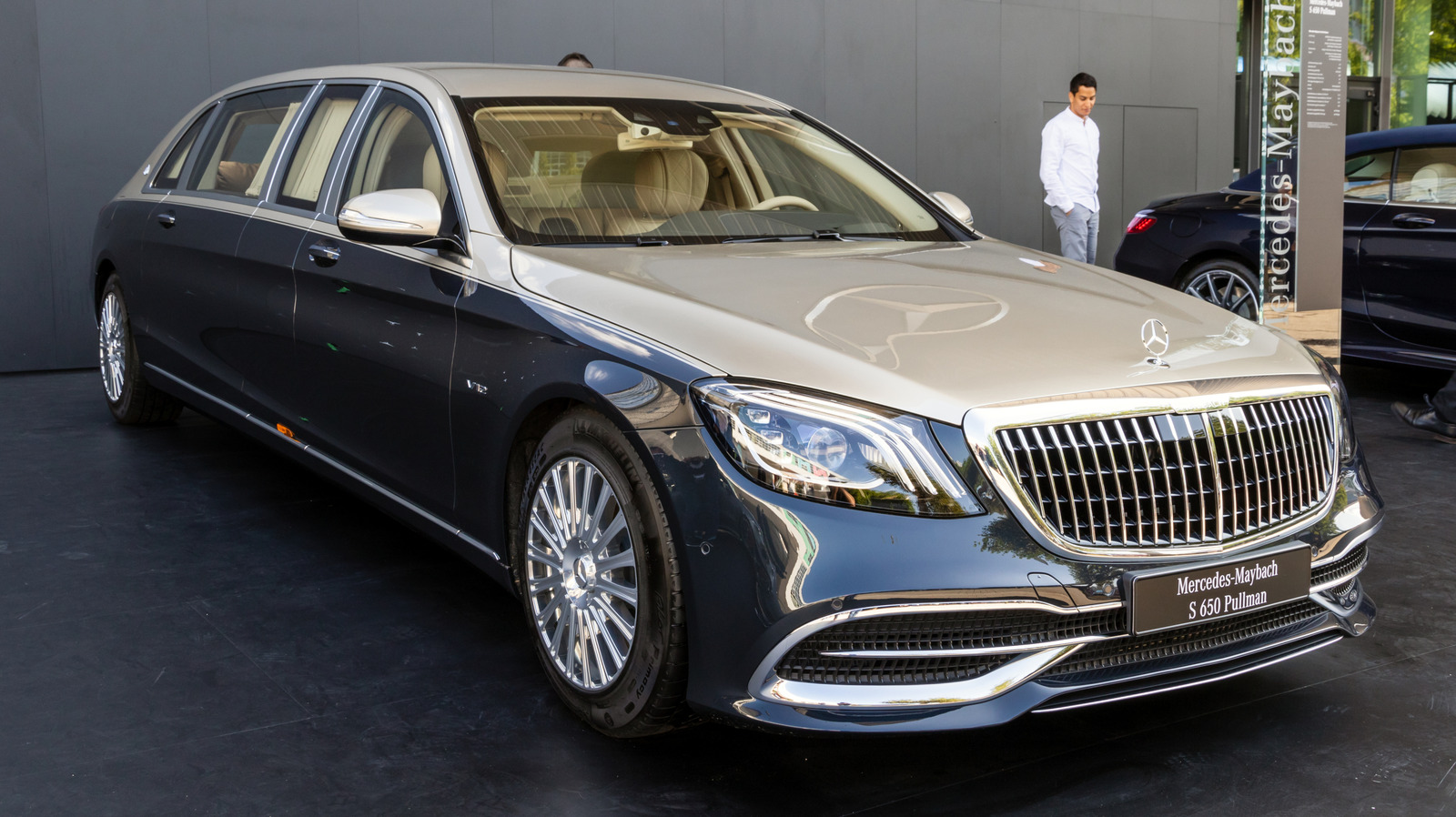
Luxury sedans contribute too. Mercedes builds the S-Class sedan at 20 feet 3 inches. BMW's 7-Series reaches 20 feet 4 inches. These flagships emphasize rear legroom and trunk space, catering to executives and chauffeur services where length signals prestige and exclusivity.
Trucks naturally round out the list. Ford's F-150 SuperCrew with certain configurations exceeds 20 feet. Chevrolet's Silverado 2500HD approaches similar dimensions depending on bed length and cabin configuration.
The comparison exposes a fundamental industry truth. American vehicle designers chase perceived luxury through size, piling on length to create space that most drivers never fully utilize. Parking becomes a challenge. Garages feel cramped. Maneuverability suffers. Yet manufacturers persist because buyers equate length with capability and comfort.
The Sherman achieved its purpose with economical dimensions. Modern vehicles achieve profit margins through upsizing, knowing that regulatory incentives favor larger footprints and that American roads accommodate such beh