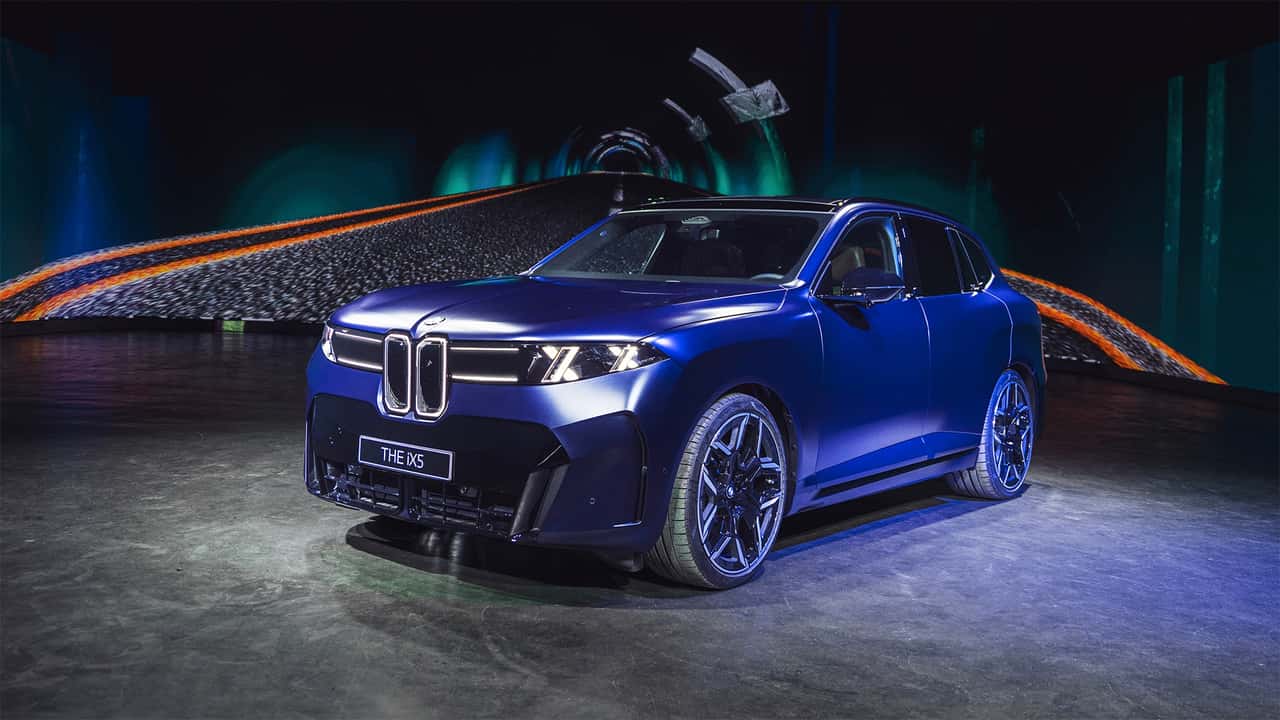
BMW posted a 13% sales surge in the U.S. during the second quarter, but the Munich automaker faces a persistent problem with its pure electric vehicle lineup. While plug-in hybrid sales climbed, battery-electric cars stumbled against rising competition and cooling EV demand across the broader market.
The disparity reflects BMW's hedged strategy. The company continues to lean on PHEVs as a bridge technology, where buyers gain electric range for daily commutes while retaining gas engines for longer trips. This approach paid off in Q2, with hybrid variants driving overall growth. Pure EV sales, however, lagged industry momentum.
BMW's EV struggles stem partly from product timing and competitive pressure. The iX xDrive50 and i4 eDrive40 face intense rivalry from established players like Tesla and emerging competitors in the $40,000 to $60,000 sweet spot. Recent price cuts and improved range offerings from rivals have squeezed BMW's margin advantage in that segment.
Consumer hesitation about EV charging infrastructure, battery longevity concerns, and residual value uncertainty continue dampening pure-electric adoption. BMW's PHEV portfolio sidesteps these pain points entirely. Buyers get zero-emission city driving with gasoline security, eliminating range anxiety. That hybrid formula resonates more broadly than full electrification in markets where charging networks remain patchy.
The Q2 results expose a larger industry tension. Traditional automakers investing heavily in pure EVs face a market still skeptical of full electrification, while PHEVs deliver immediate profitability without cannabilizing high-margin internal-combustion sales. BMW's Q2 performance suggests the company prioritizes near-term revenue over aggressive EV transition.
However, regulatory tailwinds will eventually force BMW's hand. California's 2035 combustion engine ban and similar regulations