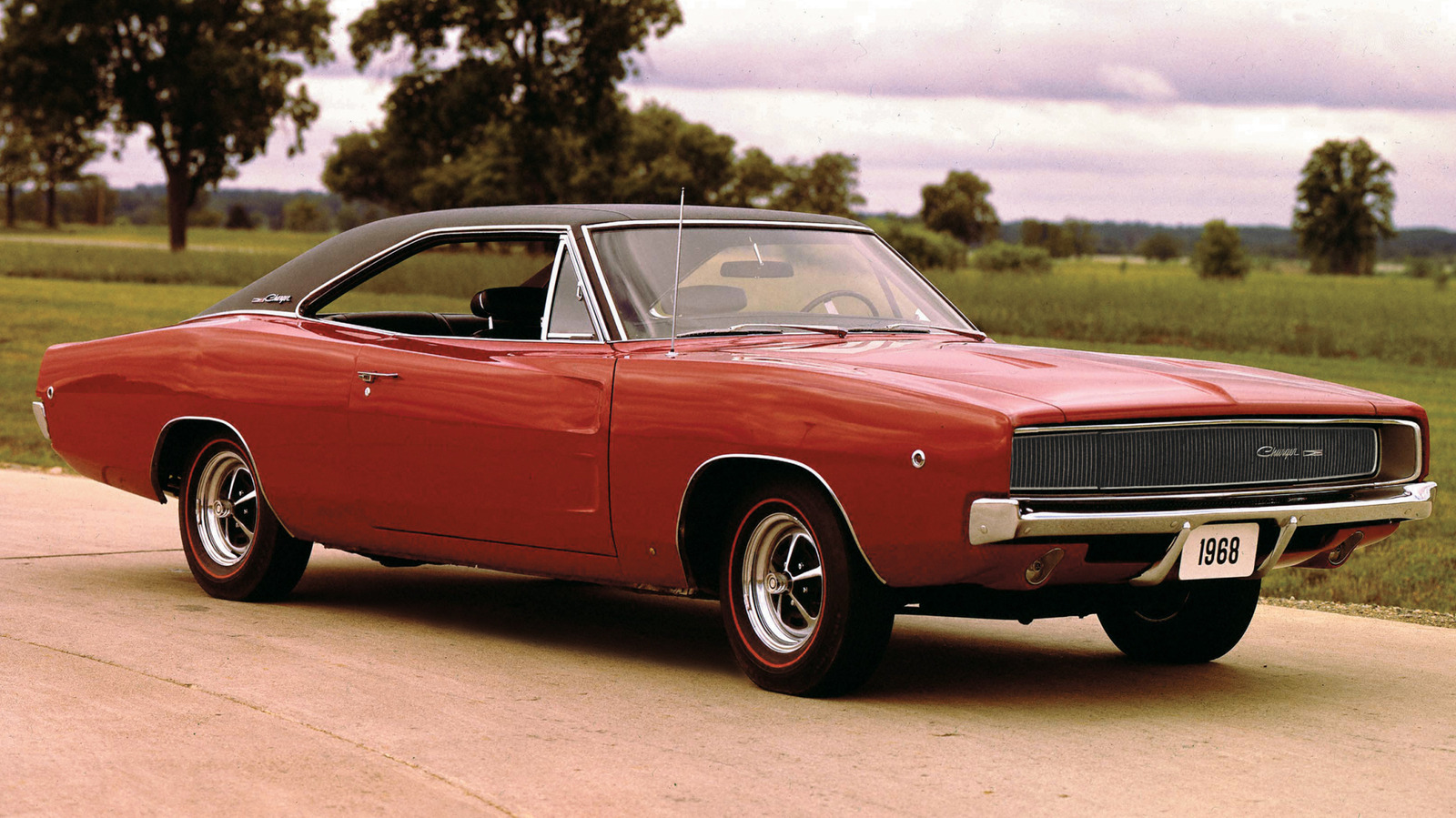
Dodge uses the R/T badge to denote "Road and Track" performance variants across its lineup, most famously on the Charger. The designation signals a mid-tier performance package that sits between base models and the highest-tier SRT (Street and Racing Technology) variants.
The R/T badge first appeared in the 1960s muscle car era and became synonymous with accessible performance. On modern Chargers, the R/T typically pairs a 5.7-liter V8 with 370 horsepower and 395 pound-feet of torque, delivering genuine straight-line capability without the extreme pricing of an SRT 392 or Hellcat model. This positioning matters. Dodge targets buyers who want recognizable performance credibility without premium pricing or track-focused compromises.
The "Road and Track" terminology reflects Dodge's philosophy. The R/T package enhances both street responsiveness and occasional circuit performance through upgraded suspension geometry, transmission tuning, and cooling systems. It's not a track car. It's a street car that handles better and accelerates harder than base versions.
Dodge applied R/T branding strategically across its entire performance portfolio. Charger R/T models outsell their base counterparts significantly because they occupy the sweet spot between capability and value. Buyers get distinctive badging, visual cues like aggressive grilles and hood scoops, and genuine mechanical improvements that deliver measurable performance gains.
The SRT designation, which does mean "Street and Racing Technology," represents the upper echelon. SRT variants add broader aerodynamic work, advanced cooling, electronic differentials, and significantly larger engines. The Charger SRT 392 produces 485 horsepower. Hellcat models push 707 horsepower.
This tiered approach allows Dodge to segment customers by budget and performance