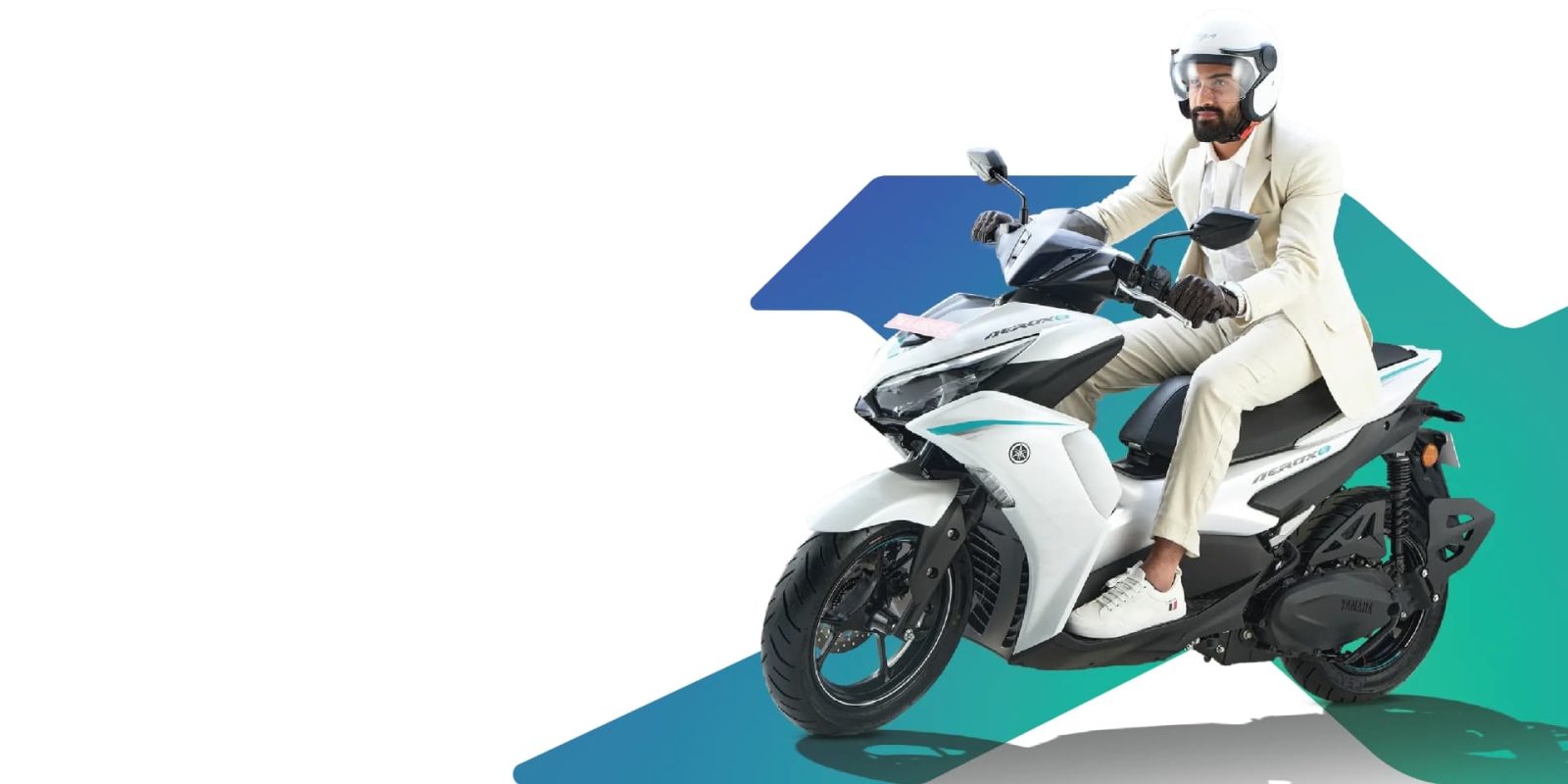
Yamaha enters India's crowded electric scooter market with the Aerox-E, a premium, performance-oriented maxi-scooter that positions the brand above budget-focused competitors. The Aerox-E targets affluent urban riders seeking sportiness and feature richness rather than lowest-cost transportation.
The scooter ships with removable batteries, a feature gaining traction in Asian markets where charging infrastructure remains patchy. Swappable batteries let owners carry spare packs or swap at charging stations, dramatically extending range without waiting for a full charge cycle. This approach sidesteps the apartment-dwelling rider's nightmare of hauling a 40-kilogram scooter upstairs to a charging outlet.
Yamaha's heritage in sporty maxi-scooters translates directly to the Aerox-E. The electric version retains the aggressive styling and wider stance of the gasoline Aerox, differentiating it from the utilitarian designs dominating India's e-scooter segment. That distinctive look justifies premium pricing in a market flooded with boxy alternatives from Hero, Bajaj, and TVS.
The move reflects India's bifurcating electric two-wheeler market. Budget models under 80,000 rupees capture price-conscious buyers, while a small but growing premium segment emerges for riders willing to spend 1.5 lakh rupees or more for design, brand cachet, and technology. Yamaha sizes the Aerox-E squarely for that affluent slice.
Removable batteries also signal Indian manufacturers' pragmatism. Fixed batteries lock riders into single-brand charging networks. Swappable packs let Yamaha build compatibility with independent battery swap operators that are proliferating across metros like Bangalore and Delhi. That flexibility appeals to tech-savvy urban commuters tired of propri