# Aftermarket 360-Degree Car Cameras Are Cool, But They Don't Come Cheap
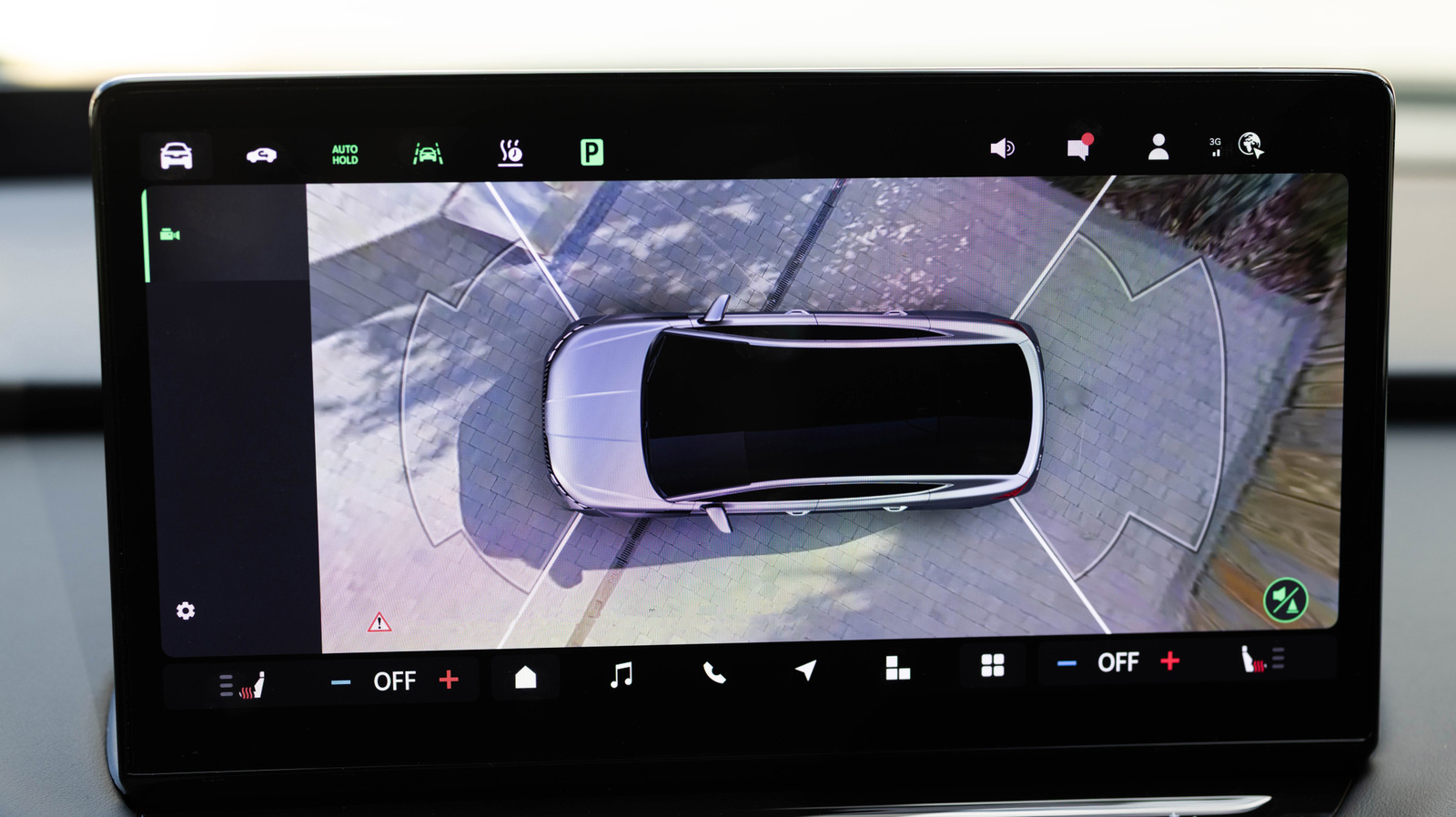
360-degree camera systems transform how drivers see their surroundings by stitching feeds from multiple cameras mounted around the vehicle into a single bird's-eye view on the dashboard display. Four cameras, typically positioned at the front, rear, and both sides of the car, capture footage that software algorithms blend together seamlessly. The result eliminates traditional blind spots that plague conventional mirrors and single backup cameras.
The technology works by using wide-angle lenses and advanced image processing to create a complete overhead perspective. Drivers gain visibility into areas normally hidden by the vehicle's body work, pillars, and hood. This proves especially valuable during parking maneuvers, tight urban driving, and low-speed situations where accidents cluster. Some systems offer multiple viewing angles, letting drivers switch between the panoramic 360 view and traditional front, rear, or side camera perspectives.
However, the price tag presents a substantial barrier to adoption. Aftermarket 360-camera kits typically run between $800 and $2,500 depending on image quality, brand reputation, and installation complexity. Premium systems with higher resolution and advanced features push toward the upper end. Installation itself demands professional integration into the vehicle's infotainment system, adding labor costs that can exceed $300 to $500.
Factory-installed 360-camera systems, common in luxury brands like Mercedes-Benz, Lexus, and BMW, cost $1,500 to $2,000 as optional add-ons. High-end performance cars sometimes bundle them into comprehensive safety packages that inflate pricing further.
The expense explains why mainstream sedan and truck buyers hesitate. Most vehicles include backup cameras as standard equipment now, which handles the primary safety concern. Aftermarket adoption remains concentrated among luxury car owners and enthusiasts willing to pay for convenience