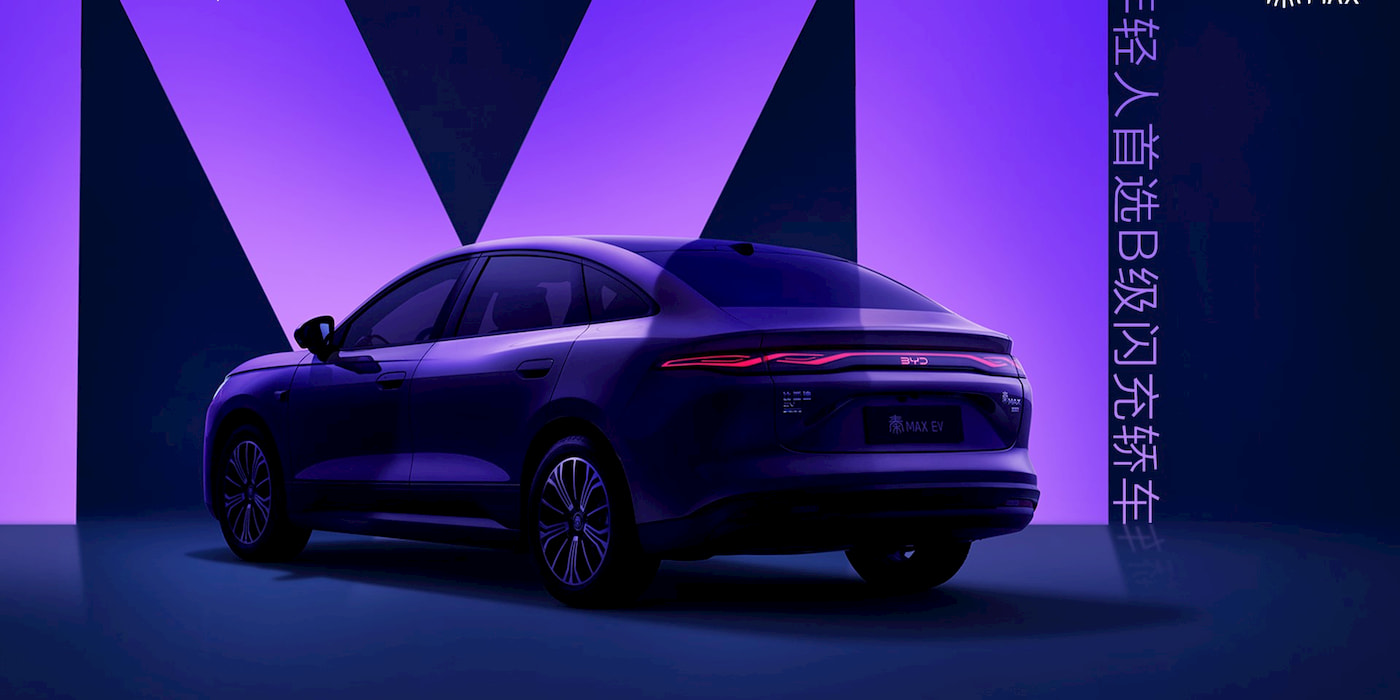
BYD unveiled the Qin Max EV, a new B-segment sedan engineered to target young drivers with fast-charging technology at its core. The Chinese automaker positions this model as a "completely different" entry in the compact sedan category, differentiating it through Flash Charging capability that reduces charging time significantly.
The Qin Max EV represents BYD's strategy to capture price-sensitive buyers entering the EV market who demand practicality without sacrificing charging convenience. B-segment sedans remain competitive in China, where affordability and daily usability determine purchase decisions. Fast-charging infrastructure improvements and better battery chemistry have made quick-charge capability a genuine selling point rather than a luxury feature.
BYD's Qin line has established itself as a volume player in China's EV market. Adding Flash Charging to the Qin Max positions this vehicle against competitors like Tesla's Model 3 on charging speed while undercutting price. The sedan format appeals to traditional car buyers transitioning to electric power, a demographic BYD targets aggressively.
Young buyers specifically value reduced ownership hassles. Long charging times remain a barrier to EV adoption in price-conscious segments, particularly for customers without dedicated home charging. Flash Charging addresses this friction point directly, allowing faster top-ups at public chargers during daily routines.
BYD manufactures its own batteries through subsidiary BYD Battery, controlling costs and performance specs other automakers cannot match. This vertical integration enables aggressive pricing on fast-charging-equipped vehicles that competitors struggle to match profitably.
The Qin Max EV launches as BYD continues dominating global EV sales, recently surpassing Tesla in total vehicle deliveries. Domestically, BYD faces intensifying competition from Li Auto, Nio, and XPeng, all targeting youth demographics with feature-rich, affordably