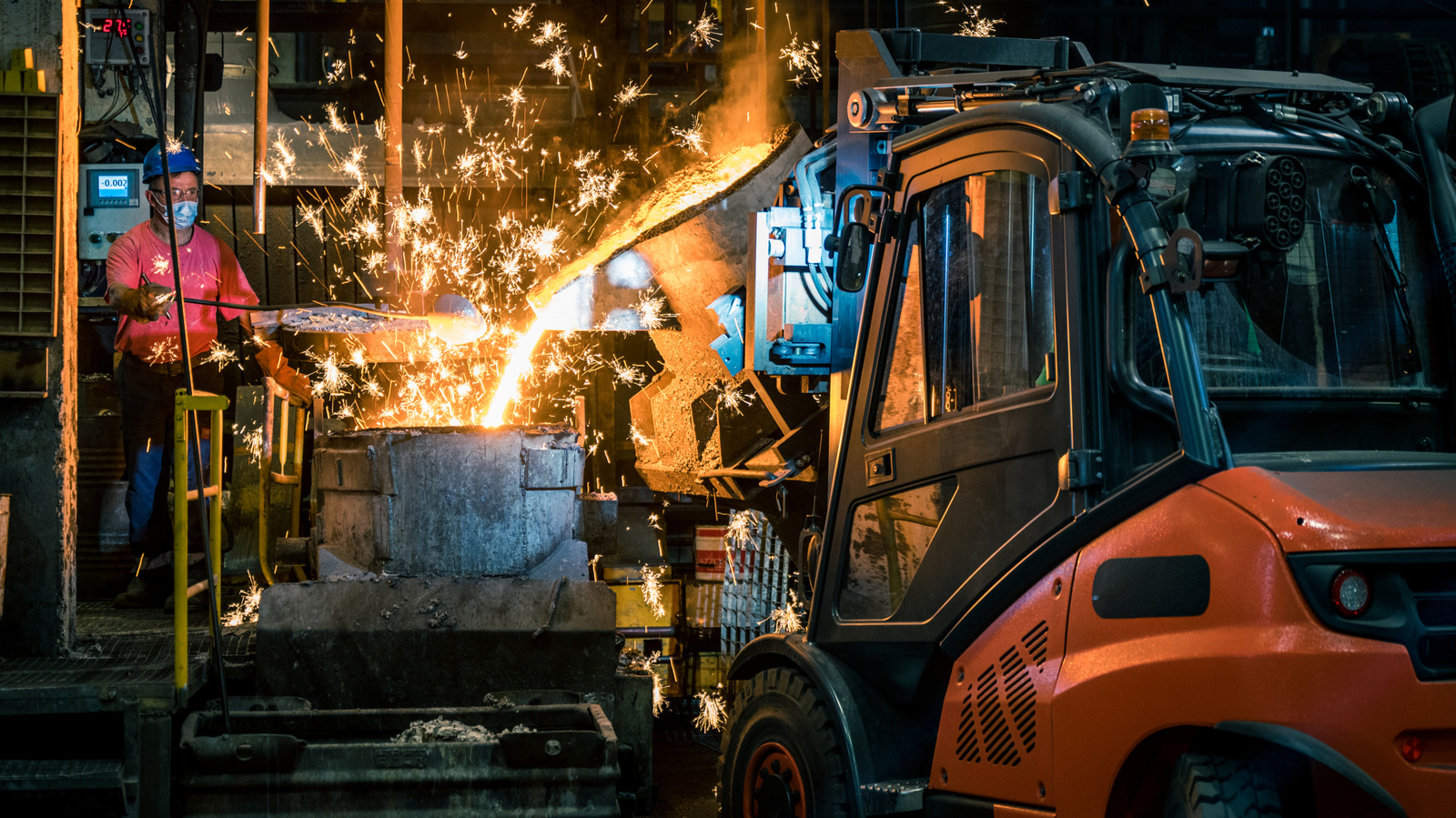
Steel mills present one of the harshest environments any vehicle operates in. Furnace temperatures reach 2,000 degrees Fahrenheit, yet specialized industrial vehicles must navigate these scorching facilities daily. Regular automotive tires fail instantly under such conditions. The rubber simply melts and the tire structure collapses.
Engineers designing mill-duty tires start with material science. They replace conventional rubber compounds with heat-resistant elastomers and ceramics that withstand sustained exposure to extreme temperatures. The tire sidewall and tread require different formulations. Sidewalls need flexibility to absorb shock from uneven mill floors, while treads must resist abrasion from hot metal debris and maintain grip on contaminated surfaces.
Steel reinforcement differs too. Standard tires use steel wire wrapped in textile. Mill tires employ specialized alloys that retain strength at elevated temperatures. Engineers also reduce the number of plies because excessive layers generate internal heat buildup through friction. The tread depth remains shallower than highway tires to reduce heat generation from flexing.
Cooling becomes critical. Mill tires feature larger surface areas and optimized sidewall designs to dissipate heat faster. Some industrial tires incorporate radial designs rather than bias construction, improving heat distribution across the entire tire. Pressure monitoring systems alert operators before thermal failure occurs.
The rubber compounds used in these tires include synthetic polymers engineered specifically for thermal stability. Manufacturers blend in carbon additives that improve heat transfer while maintaining structural integrity. The curing process itself changes, requiring longer vulcanization times at carefully controlled temperatures to achieve proper molecular bonding.
Tires destined for steel mills cost three to five times more than consumer tires. Their lifespan remains shorter because the extreme environment degrades even specialized materials faster. Despite premium pricing and reduced durability, mills accept these trade-offs because equipment downtime costs far exceed tire expenses.
This