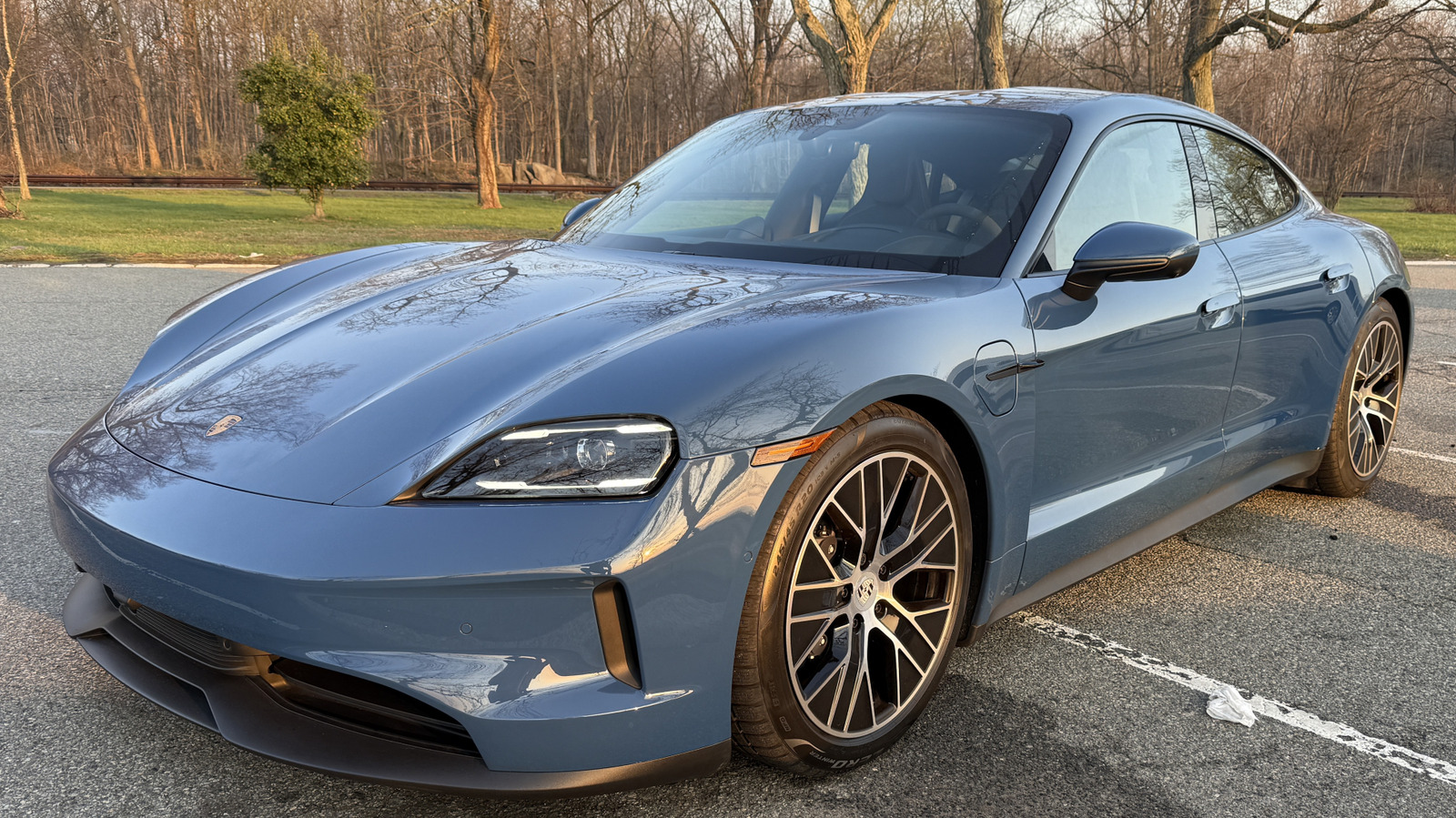
Volkswagen is preparing a sweeping portfolio restructuring that will eliminate multiple nameplates across its brands by the early 2030s. The Jetta, Porsche Taycan, and the gas-powered Porsche 718 sit among the models facing potential discontinuation as the German automaker aggressively pivots toward electrification and streamlines its bloated lineup.
The move reflects VW Group's broader strategy to reduce costs and accelerate EV adoption. With legacy internal combustion platforms becoming economically untenable and consumer demand shifting toward electrics, the company must make hard choices about which nameplates survive the transition. The Jetta, a budget sedan that competes in a shrinking segment, represents low-margin volume that drains resources better deployed elsewhere. Its replacement, if one arrives, will almost certainly be electric-only.
The Taycan situation differs. Despite strong reviews and technical merit, Porsche's first EV faces volume constraints and positioning challenges within an expanding EV lineup. Killing the Taycan sedan could mean consolidating Porsche's EV strategy around SUV-based models like the Macan Electric, which appeal to more buyers and generate higher profits.
The 718 decision hits harder. Porsche's mid-engine sports car has loyal enthusiasts, but converting it to full electrification raises engineering and cost questions. A pure-gas 718 without an electric alternative becomes increasingly difficult to justify in Europe, where CO2 regulations penalize combustion-only powertrains. Rather than develop expensive hybrid or EV versions, Porsche may simply retire the nameplate and focus resources on the 911 and upcoming electric sports cars.
This restructuring extends across Volkswagen Group brands. The company must shed underperforming models, consolidate platforms, and reduce the overall number of vehicles it produces. The era