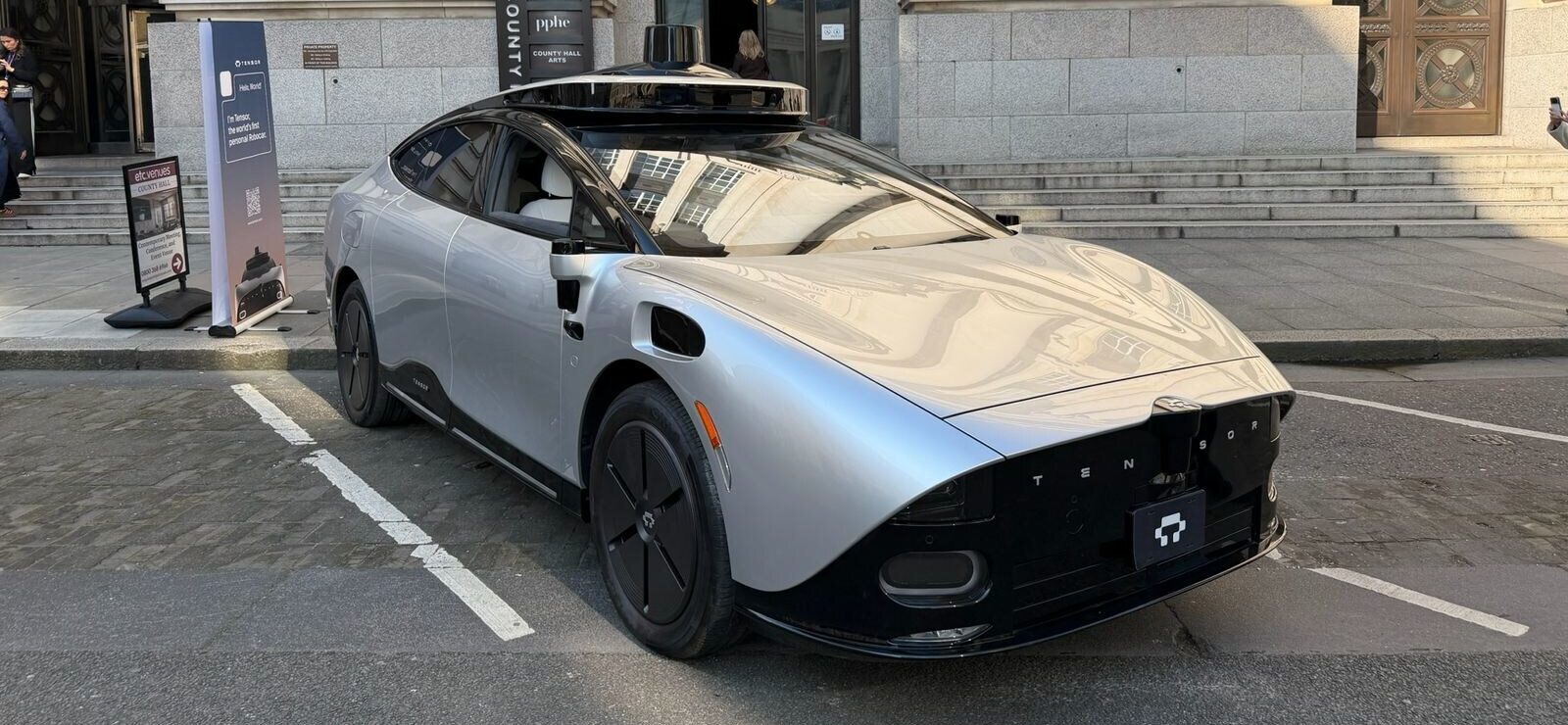
Marti, Turkey's leading mobility platform, has partnered with Tensor, a Silicon Valley autonomous vehicle developer, to roll out self-driving vehicles across Turkish cities. The collaboration marks an expansion of AV deployment into emerging markets, as autonomous technology continues moving beyond North America and Western Europe.
Tensor brings technical expertise in autonomous systems to the partnership, while Marti provides established market presence and operational infrastructure in Turkey. The deployment strategy leverages Marti's existing rideshare network and customer base, positioning the fleet for rapid scaling across multiple urban centers.
This move reflects a broader industry shift toward AV commercialization in geographies with less regulatory friction than the U.S. market. Turkey offers relatively favorable conditions for autonomous testing and deployment, including growing tech adoption and less stringent approval processes compared to EU standards. Tensor's decision to pursue Turkey indicates the company sees commercial viability in markets where Western competitors face slower regulatory approval timelines.
The partnership also signals confidence in Marti's operational capabilities. The app commands significant market share in Turkish mobility, giving Tensor access to ride demand and real-world data that directly improve autonomous systems. For Marti, AVs represent a path to operational cost reduction and service differentiation in a competitive regional market.
Timeline and specific deployment numbers remain unannounced. Both companies will need to navigate Turkish regulations governing autonomous vehicle testing and public road operation, though the country has generally welcomed emerging mobility technology trials.
The deal underscores AV developers' growing focus on non-traditional markets as a faster route to meaningful revenue than waiting for full approval in mature Western markets. Waymo and Cruise face years of regulatory hurdles in major U.S. cities, while companies like Tensor can test and deploy technology more quickly in less saturated regulatory environments. For Turkish consumers, the partnership promises lower ride costs and technology adoption ahead of most European markets.