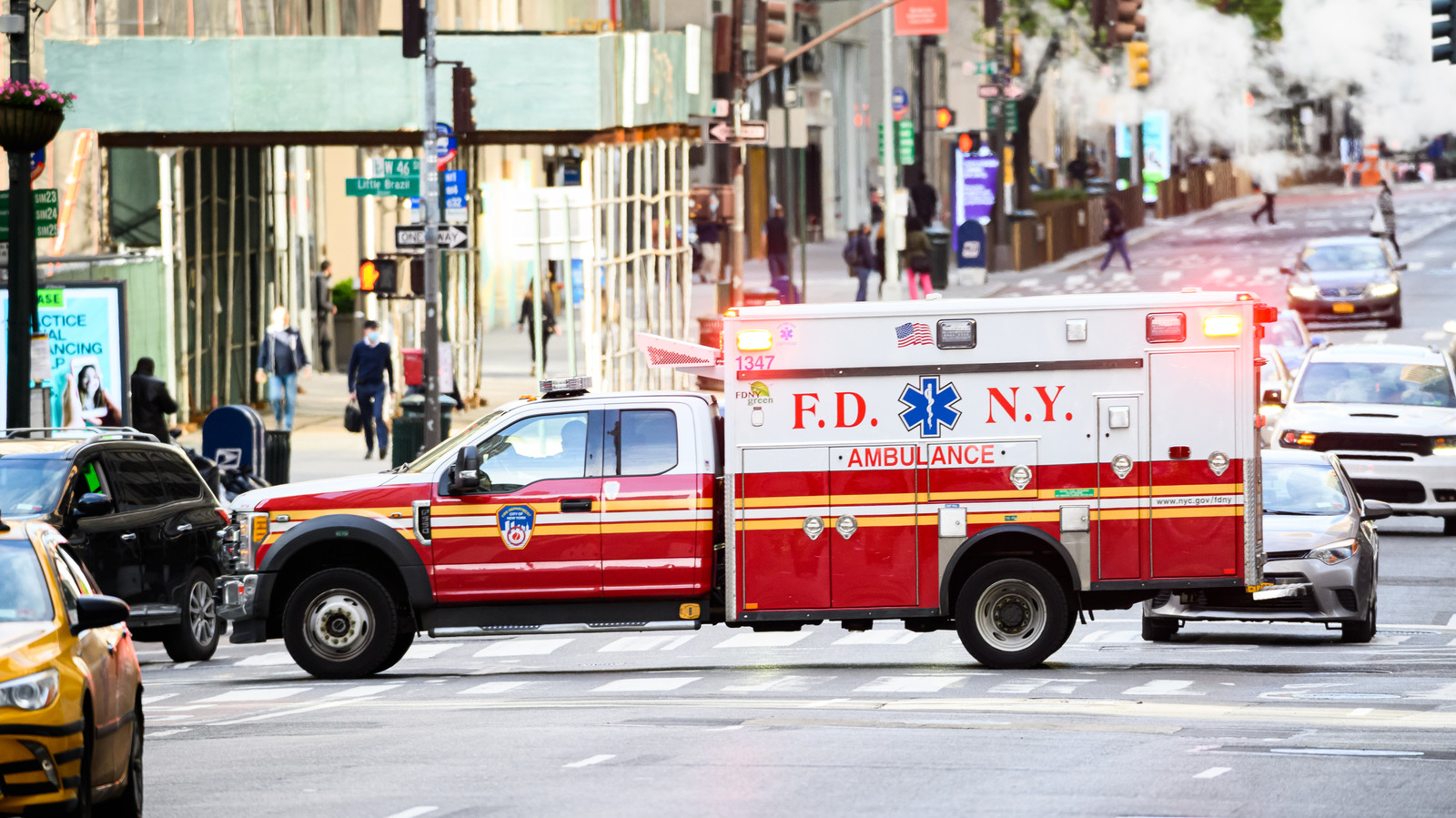
New York City's congestion pricing program has delivered measurable results beyond traffic reduction. Ambulance response times dropped by over one minute on average since the tolling system launched, a direct benefit of the 21 percent reduction in passenger vehicle traffic entering Manhattan's central business district.
The congestion pricing scheme charges vehicles $15 to enter the zone during peak hours, a controversial but effective tool for managing gridlock. The reduction in overall traffic volume created clearer routes for emergency vehicles, allowing EMS to reach patients faster. In a city where every second counts in medical emergencies, faster ambulance response times translate directly to better survival outcomes.
The program addresses a chronic problem in urban transportation. Manhattan gridlock consumed massive chunks of EMS resources, forcing ambulances into unpredictable delays that compromised care delivery. With fewer passenger vehicles clogging streets, emergency responders navigate the grid more efficiently.
Beyond emergency services, the pricing initiative generated revenue for transit improvements while reducing pollution and congestion. The 21 percent traffic drop represents a fundamental shift in how people move through Manhattan's core. Some drivers shifted to public transit, carpools, or changed their commute patterns entirely.
Congestion pricing remains politically contentious. Critics argue it burdens drivers and small business owners, though early data contradicts concerns about economic harm. The program demonstrates that pricing mechanisms work when properly implemented and maintained.
The EMS improvement exemplifies how infrastructure policy produces cascading benefits. Faster ambulance response wasn't the primary goal, but it emerged as proof that reducing vehicle volume improves city operations across multiple sectors. As other cities consider congestion pricing models, New York's results provide compelling evidence that the system delivers real-world health and safety gains alongside traffic reduction.