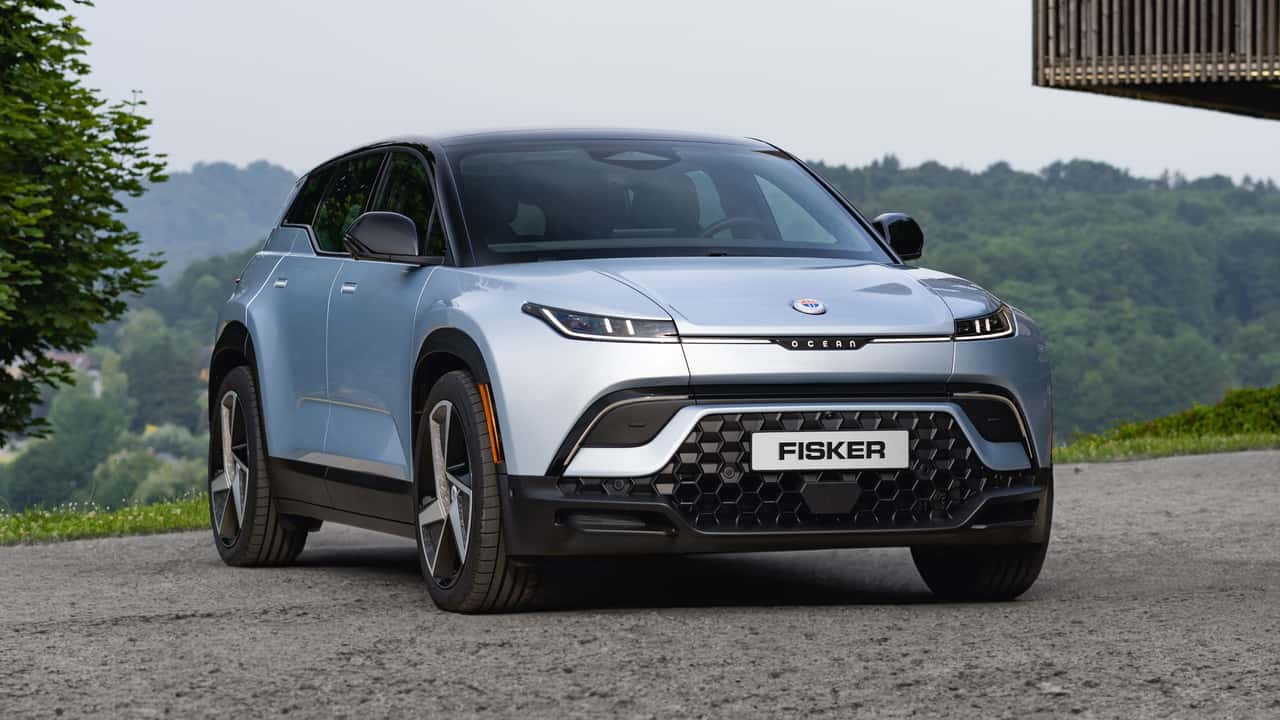
Fisker's bankruptcy last year left Ocean owners without the hands-free driving system the company promised. The automaker folded before deploying its proprietary autonomous driving technology to customers who had paid for it or expected it as part of their purchase agreements.
The gap may soon close through open-source development. Independent developers and enthusiasts have begun working on aftermarket solutions compatible with the Ocean's hardware architecture. These community-driven projects aim to deliver level 2 semi-autonomous capabilities without relying on Fisker's defunct systems.
The Ocean uses standard computing hardware and sensor packages that third parties can theoretically repurpose. This accessibility opens a pathway that proprietary automakers rarely allow. Tesla locks its hardware tightly. GM and Ford guard their ecosystems. Fisker's collapse essentially freed its customers to explore alternatives.
The technical challenge remains substantial. Ocean owners would need to install software stacks, calibrate sensors, and potentially add computing modules. Liability questions loom large. Without manufacturer backing, owners assume full responsibility for system failures. Insurance companies may not cover incidents involving aftermarket autonomous features.
Fisker Ocean buyers already experienced significant disappointment. The company delivered only about 130,000 vehicles before cash ran out in 2023. Quality issues plagued early models. Promised technology features evaporated with the brand.
This open-source route represents the only realistic path for Ocean owners to gain hands-free capability. Official solutions are impossible. Fisker no longer exists to support or update systems. Other automakers show no interest in retrofitting a competitor's vehicles.
The outcome will test whether community engineering can bridge gaps left by corporate failure. Success would offer a blueprint for stranded EV owners when other startups inevitably collapse. The broader industry watches to see if open-source autonomy becomes viable at scale or remains a niche solution for the technically adventurous.