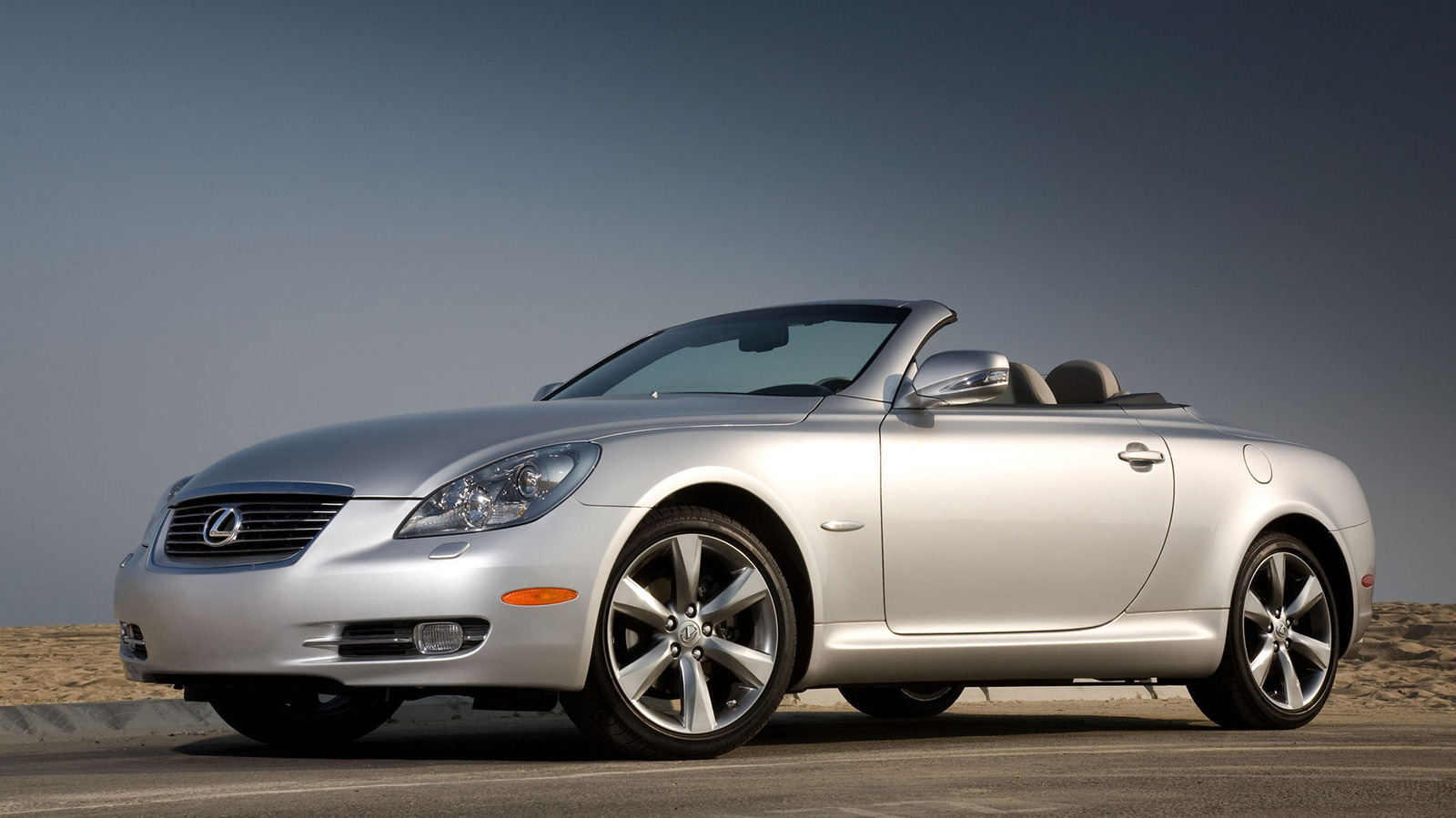
Car designs that initially drew criticism from enthusiasts have earned retrospective appreciation as time passes. Jalopnik readers submitted a diverse list of vehicles that challenged conventional styling when launched but now command respect or affection in the market.
This phenomenon reflects how automotive aesthetics operate in real time versus hindsight. What feels polarizing or unconventional at launch often becomes iconic within five to ten years. The BMW i8, with its butterfly doors and futuristic proportions, faced skepticism from purists who questioned its visual coherence. Today it ranks among the most celebrated hybrid designs of the 2010s. Similarly, the Nissan Juke's wedge-shaped silhouette and crossover proportions divided opinion when introduced, yet it spawned a generation of imitators and established the subcompact crossover segment.
The Pontiac Aztek suffered relentless mockery for its awkward stance and divided greenhouse, but collectors now recognize it as design risk-taking that defined an era. The Honda Odyssey's boxy minivan form faced the usual sedan-buyer snobbery, yet its functional packaging and reliability made it the segment standard. Even the polarizing Infiniti QX56's tall proportions and grille treatment evolved from eyesore to commanding presence.
Several readers cited the original Mini Cooper's modern interpretation, which seemed deliberately retro when launched in 2001 but now feels like a design benchmark. The Subaru BRZ and Toyota 86 encountered criticism for conservative styling compared to their sports car competitors, yet enthusiasts now praise their restraint and proportional balance.
The Chrysler 300C's neo-retro approach once seemed corporate and heavy-handed, but it established a design language that influenced the industry. The BMW 7 Series' controversial grille evolution frustrated traditionalists, though each generation gains defenders as newer iterations push boundaries