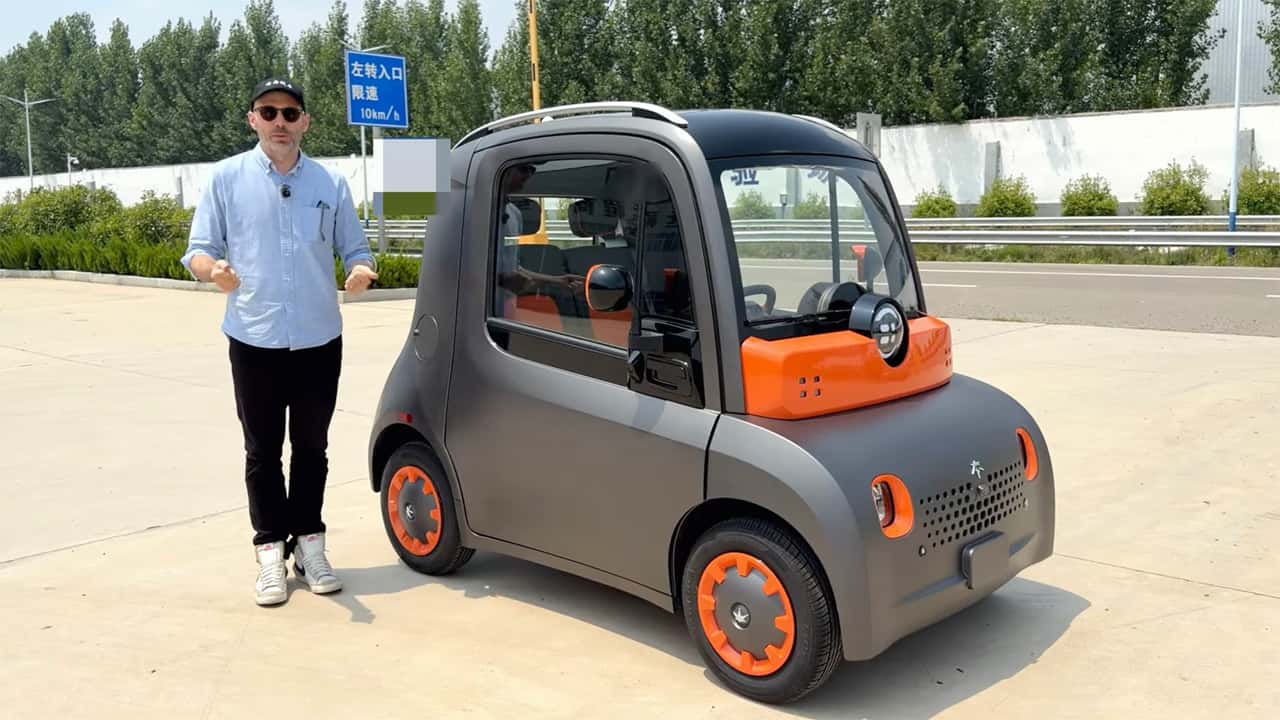
The Astraux, a Chinese-built micro-electric vehicle priced at 8,000 euros, undercuts European competitors while delivering amenities that belie its bare-bones classification. Despite regulatory designation as something less than a full car, the Astraux arrives equipped with features typically reserved for larger, pricier models.
This positioning directly challenges the Fiat Topolino, Europe's budget EV benchmark. Where the Topolino emphasizes minimalism to hit its sub-10,000-euro price point, the Astraux layers in unexpected creature comforts. The Chinese contender uses its cost advantage to bundle what mainstream consumers actually want: practical functionality without the sacrifice.
The micro-EV segment has exploded as Chinese automakers target affordability-conscious buyers in Europe. These vehicles occupy a regulatory gray zone, often classified as quadricycles or L-category vehicles rather than full passenger cars. This classification sidesteps some safety and emissions standards, allowing manufacturers to offer rock-bottom pricing.
The Astraux strategy differs from competitors by refusing to strip amenities. Rather than asking buyers to accept a spartan interior, the vehicle includes features that improve daily usability. This approach resonates with price-sensitive buyers who reject the false choice between affordability and basic comfort.
For consumers, the Astraux represents arrival of real competition in the ultra-budget EV space. The Topolino, long positioned as the only serious option for European buyers wanting cheap electric motoring, now faces a challenger with deeper pockets and fewer cost-cutting requirements. Fiat's decision to price aggressively suddenly looks less like generosity and more like competitive necessity.
Chinese manufacturers continue methodically capturing European market share in price-sensitive segments. The Astraux exemplifies this strategy. By offering more car for the money, Chinese brands shift buyer expectations. European