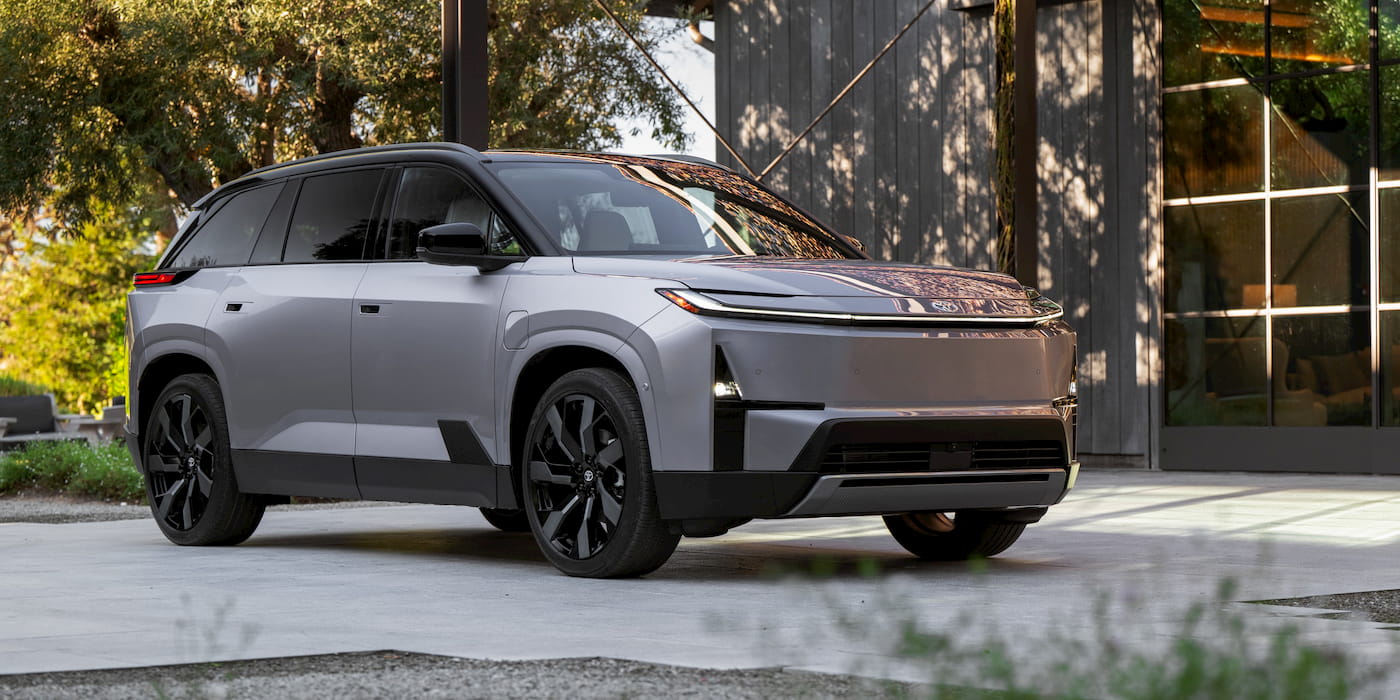
Toyota is postponing production of the 2027 Highlander BEV, its planned three-row electric SUV. The delay allows Toyota to extend the manufacturing run of the current gasoline and hybrid Highlander models, signaling a strategic retreat from its original EV timeline for this segment.
The Highlander ranks among Toyota's most profitable vehicles in North America. The current generation sells in high volumes, particularly in the hybrid variant, which has proven more popular with families than pure electric alternatives. By extending the gas and hybrid lifespan, Toyota preserves cash flow from a proven moneymaker while the EV market for three-row SUVs remains nascent.
This move reflects broader industry caution around three-row electric SUVs. Production costs remain elevated, battery expenses consume margins, and consumer demand has shown softness outside premium segments. Tesla's Model X exists at a much higher price point. Kia's EV9 and Volkswagen's ID.Buzz launched more recently with mixed sales results, suggesting the segment lacks the volume Japanese automakers expect from a flagship model.
Toyota faces competing priorities. The company committed to expanding its hybrid lineup while simultaneously developing battery technology for future EVs. Delaying the Highlander BEV redirects engineering resources and capital toward vehicles with clearer market demand. Hybrid Highlanders continue capturing families who want efficiency without the charging infrastructure concerns or battery degradation worries that plague EV adoption in traditional SUV buyer demographics.
The delay also buys Toyota time to monitor competitor pricing and technology improvements. Battery costs continue dropping, and next-generation cells promise better range and faster charging. A 2027 launch now becomes more competitive than a rushed 2025 or 2026 entry would have been.
For buyers, this means the gasoline and hybrid Highlander remains available longer, preserving choice for customers skeptical of