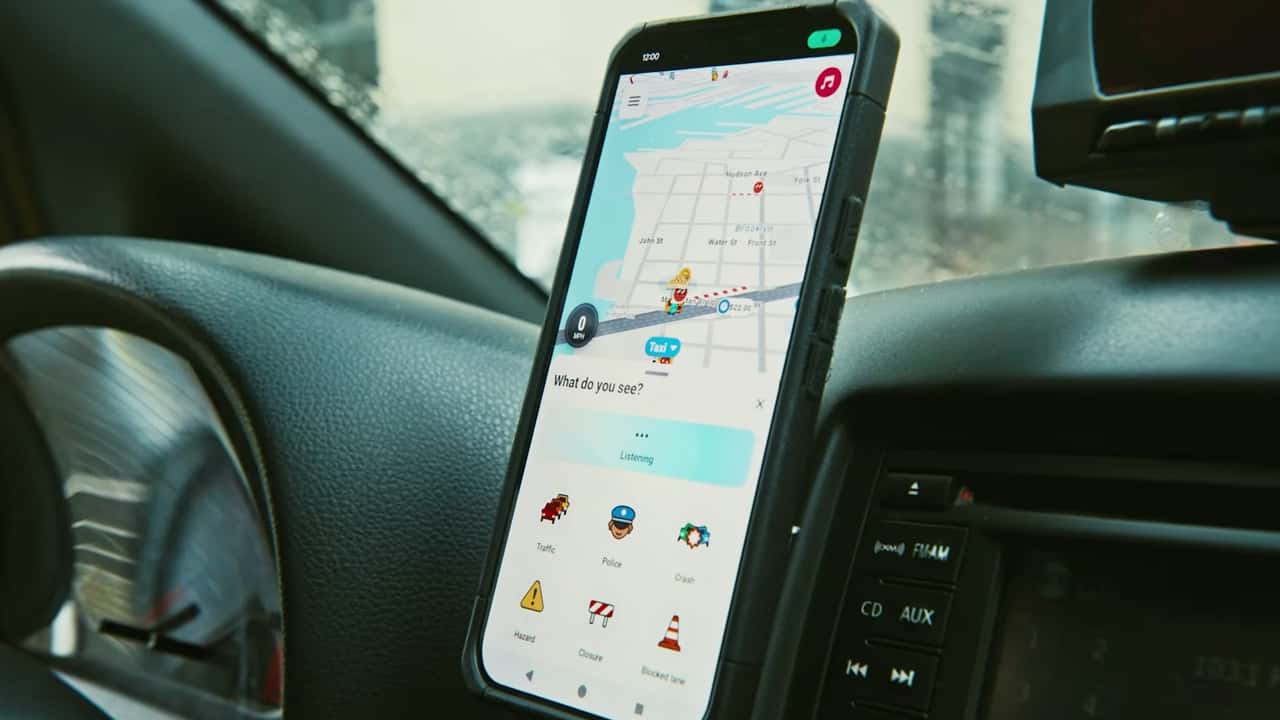
Waze rolls out generative AI capabilities powered by Google's Gemini to streamline destination searches within its navigation platform. The update allows drivers to describe locations in natural language rather than typing exact addresses or business names, cutting friction from trip planning.
The feature works by interpreting conversational queries. Instead of searching "Italian restaurant near Main Street," users can simply say "I'm craving pasta in downtown" and Waze's Gemini integration surfaces relevant results. This mirrors similar implementations across Google Maps and other navigation apps competing for driver attention in an increasingly AI-saturated market.
Beyond search, Waze introduces a dedicated motorcycle mode. This addresses an often-overlooked segment in navigation software. The mode adjusts routing logic to account for rider preferences, road conditions, and handling characteristics that differ drastically from four-wheeled vehicles. Motorcycle-specific routing factors in tighter curves, elevation changes, and road surface quality that traditional car navigation ignores.
The timing reflects how navigation apps have become primary real estate in the driving experience. As vehicles grow more autonomous and connected, the interface between driver intention and vehicle action increasingly flows through apps like Waze. Google's investment in Gemini integration here serves dual purposes. It deepens user engagement with Waze specifically and strengthens Google's grip on the in-car information hierarchy.
The generative AI push matters because destination selection remains tedious. Drivers still fumble with keyboards or voice commands that misinterpret colloquial location descriptions. Natural language processing from Gemini theoretically solves this. Whether it actually performs reliably in real-world driving conditions, with poor signal and voice interference, remains unproven.
Motorcycle riders have long felt ignored by mainstream navigation vendors. Purpose-built routing for two-wheelers validates that segment as commercially viable. Harley-Davidson and other manufacturers have pushed connected tech adoption. Waze's