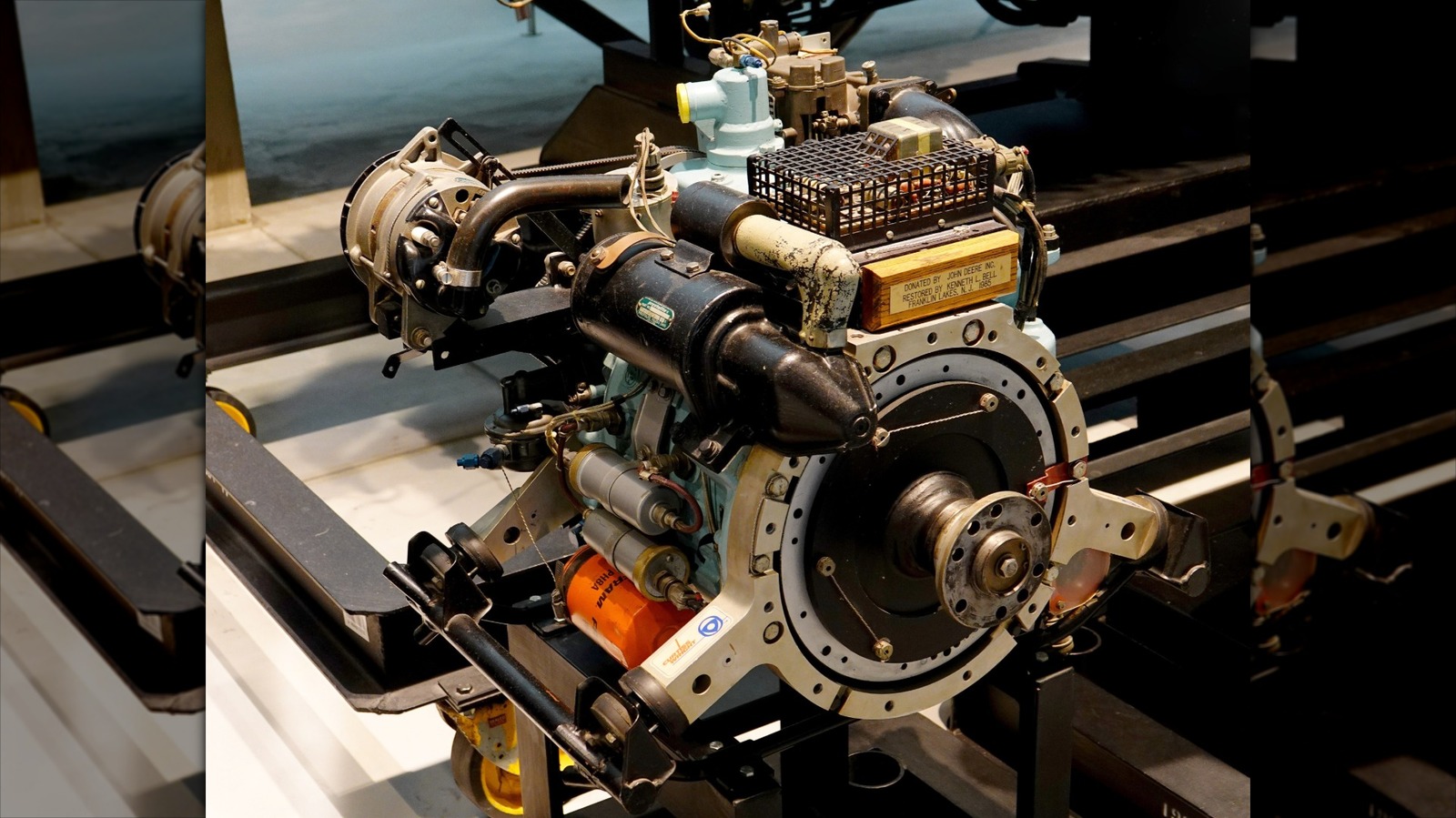
The Wankel rotary engine defined an era of sports car performance, most notably powering the legendary Mazda RX-7. Yet the Wankel represents just one branch of rotary engine technology, a distinction that separates the marketing from the engineering reality.
Felix Wankel's design uses an epitrochoidal chamber and a triangular rotor spinning on an eccentric shaft. This specific geometry creates the combustion chambers and handles intake, compression, power, and exhaust in a single rotational cycle. The RX-7 proved the concept's viability, delivering high RPM capability and a lightweight package that made it a driver's car for three decades of production.
However, rotary engines encompass broader categories. Other pistonless rotary concepts exist, including designs like the Quasiturbine and various turbine-based configurations. These alternatives employ different rotor shapes, chamber geometries, and combustion sequences than Wankel's patented approach. Some use sliding pistons or vanes rather than triangular rotors. Others optimize for different power delivery characteristics or fuel efficiency profiles.
The confusion stems from enthusiast shorthand. When people say "rotary engine," most mean Wankel. Mazda's marketing cemented this association, and the RX-7's cult following reinforced it. The RX-8, which replaced the RX-7, kept the Wankel configuration before rotary production ended in 2012. Mazda recently revived rotary engine development for hybrid assist applications, again choosing Wankel technology.
Industry engineers continue exploring non-Wankel rotary concepts. Some show promise for aviation, marine, and specialty applications where unconventional combustion cycles offer advantages in weight, vibration, or efficiency. However, manufacturing complexity, sealing tolerances, and emissions control challenges have prevented