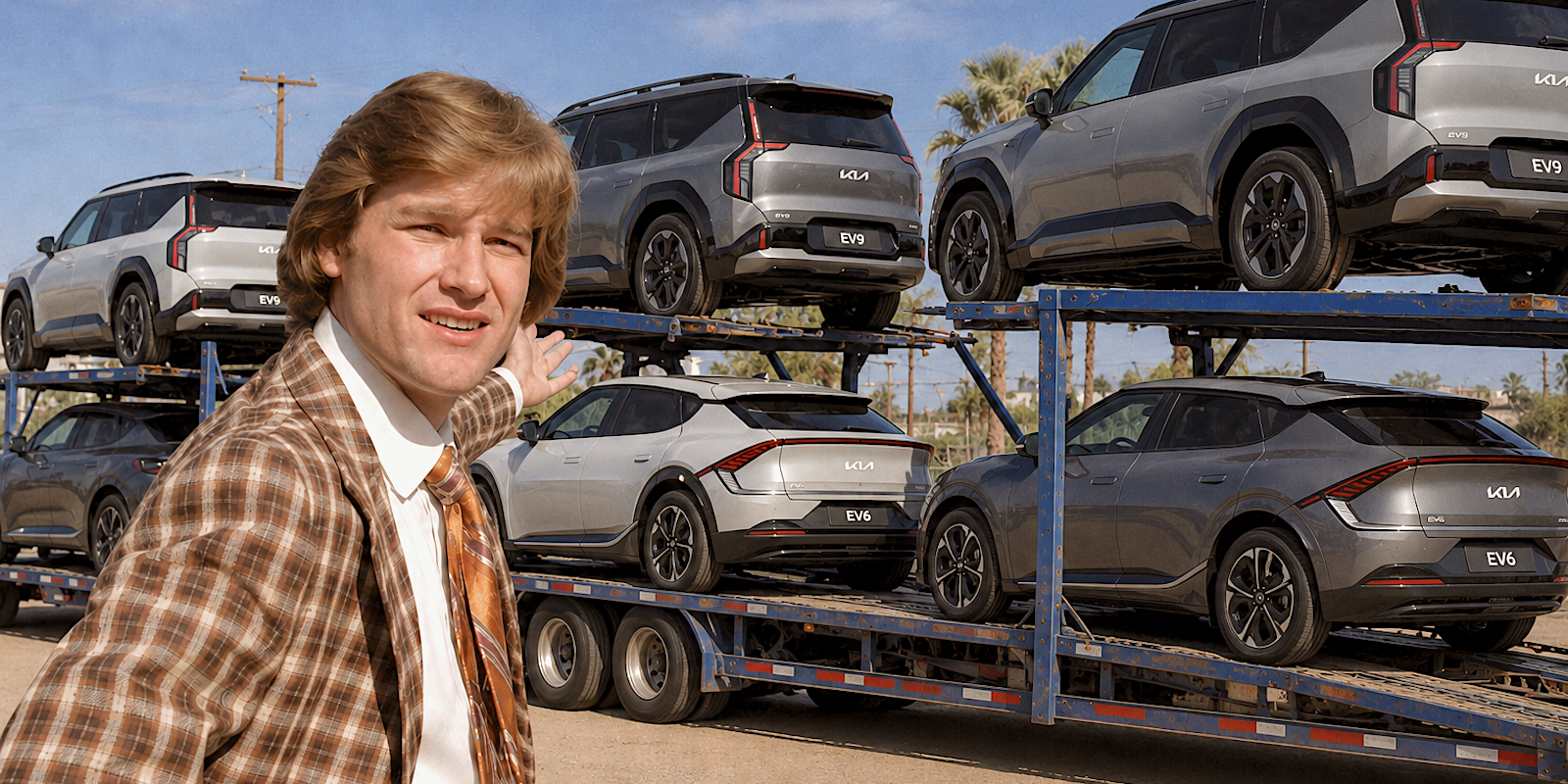
EV adoption in the United States has stabilized following the expiration of the federal tax credit in September, marking a shift from the rapid growth trajectory seen during the credit's availability. The loss of the $7,500 incentive has cooled demand among price-sensitive buyers, creating a more sustainable but slower growth environment for electric vehicles domestically.
The story differs sharply overseas. European markets are accelerating EV adoption at unprecedented rates, establishing themselves as the global EV growth engine. Without reliance on government incentives to the same degree, European consumers are embracing electrification driven by stricter emissions regulations, infrastructure maturity, and a cultural shift toward sustainability.
This divergence reflects fundamental differences in EV market conditions. The US market became heavily dependent on federal incentives to drive purchase decisions, particularly among mainstream buyers. With that subsidy gone, buyers now face sticker prices that exceed comparable gas vehicles by meaningful margins. Manufacturers are adjusting production volumes and pricing strategies to match reduced demand.
Europe operates under mandatory CO2 reduction targets that penalize manufacturers for selling gas-powered vehicles. This regulatory pressure forces carmakers to prioritize EV availability and pricing competitiveness. Investment in charging infrastructure across Europe has also matured, removing purchase anxiety.
China continues its own EV dominance, driven by domestic manufacturers like BYD offering competitive pricing and a saturated home market pushing expansion into global markets.
The implication for American automakers is clear. Domestic EV growth will decelerate while overseas opportunities expand. Manufacturers must choose between competing aggressively in price-sensitive US segments or focusing development on international markets where EV demand remains strong. The tax credit's absence has fundamentally reset US market dynamics, replacing subsidy-driven growth with a more rational, competition-based environment where real value propositions matter.