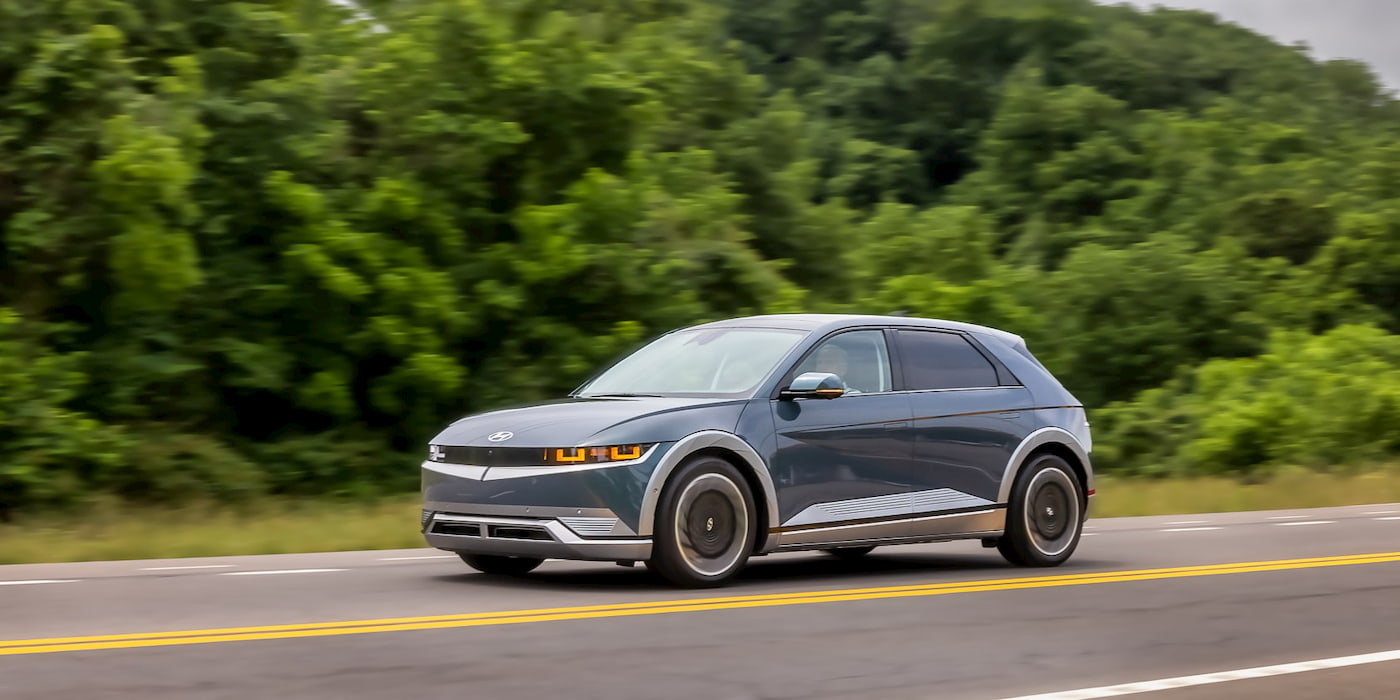
Hyundai and Kia have recalled 14 electric vehicles spanning the IONIQ 5, EV9, and EV6 due to a battery defect that poses fire risk. The automakers instructed owners to park vehicles outside until repairs are completed.
The affected units represent older model years across three of the brands' core EV platforms. The battery defect creates potential thermal runaway conditions, a known risk in lithium-ion battery packs that can result in spontaneous combustion even when vehicles sit idle. This explains the precaution requiring outdoor parking away from structures.
The recall scope remains limited in volume, suggesting either a contained manufacturing issue or a problem isolated to specific production batches rather than a systemic design flaw. However, the fire risk severity necessitates immediate owner notification and remediation.
Hyundai and Kia have faced battery quality scrutiny in recent years. The IONIQ 5 launched as one of the industry's fastest-charging EVs with 800-volt architecture, earning widespread praise. The EV6 and EV9 expanded the Korean manufacturers' electric lineup and became volume drivers in the premium EV segment. Both brands invested heavily in battery supply chains and manufacturing partnerships, yet occasional defect discoveries highlight the complexity of scaling EV production safely.
Owners of affected vehicles should expect contact from dealerships regarding replacement or repair procedures. The recall underscores why battery thermal management and cell-level quality control remain non-negotiable competencies for EV makers. Even with solid track records, isolated defects demand swift action.
This recall follows a pattern across the industry. Tesla, GM, and traditional automakers have all addressed battery-related issues since the EV transition accelerated. The difference in scale and response speed often determines public confidence. Hyundai and Kia's quick identification and notification suggest their quality monitoring systems