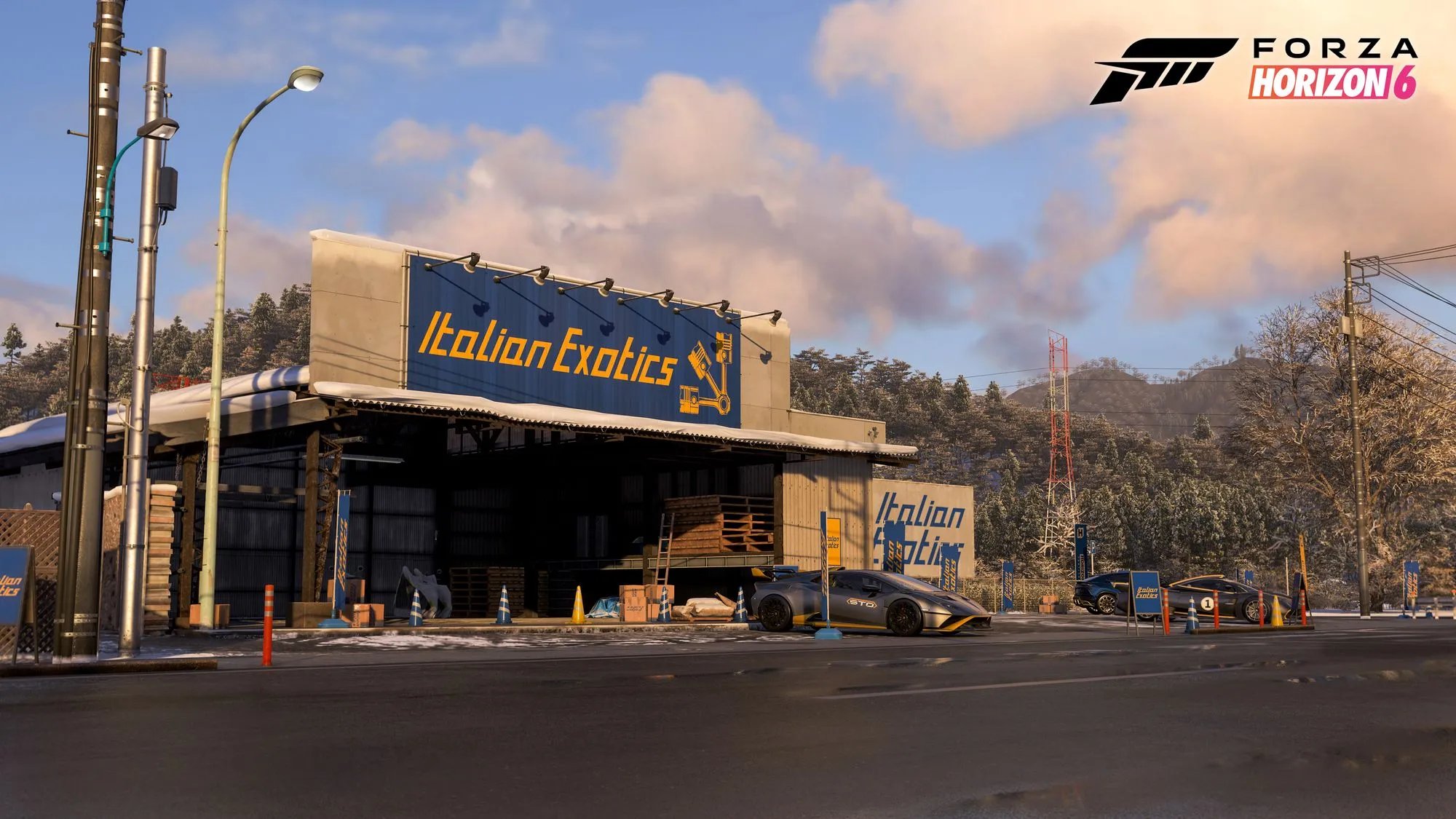
Forza Horizon 6's latest update introduces a used car dealer mechanic that integrates dealerships more meaningfully into the game's open world. Previously, purchasing vehicles felt disconnected from the broader gameplay experience. The new system gives dealers an active role in the economy and exploration loop.
The update mirrors real-world car buying dynamics. Players now negotiate deals, inspect inventory, and manage pricing in ways that tie directly to their progression and available funds. This creates friction and decision-making that the previous instant-purchase system lacked. Dealers stock different inventories based on region and season, rewarding players who explore the map thoroughly.
The mechanic addresses a long-standing criticism in racing games. Most titles reduce vehicle acquisition to menu shopping. Forza Horizon 6 now makes dealership visits feel like actual locations worth visiting, with NPCs and dialogue that justify why you're there. Players must time their purchases strategically around in-game currency reserves and garage space limitations.
This design choice reflects broader trends in open-world games. Developers increasingly embed mundane systems like shopping and trading directly into the world rather than isolating them in menus. Red Dead Redemption 2 and GTA 6 use similar approaches. Forza Horizon 6 applies this philosophy to vehicle markets, making acquisition part of the narrative and economic gameplay.
The update also includes seasonal dealer rotations. Rare or region-specific cars appear and disappear based on game time, encouraging repeated visits. Players hunting specific models must plan their dealership runs. This extends the grind without feeling artificial.
For racing game enthusiasts, the change matters. Car collecting has always been central to Forza's appeal. Making that collection process engaging, rather than transactional, deepens investment in the game loop. Players spend more time in dealerships, building familiarity with the dealer NPCs and the economic simulation