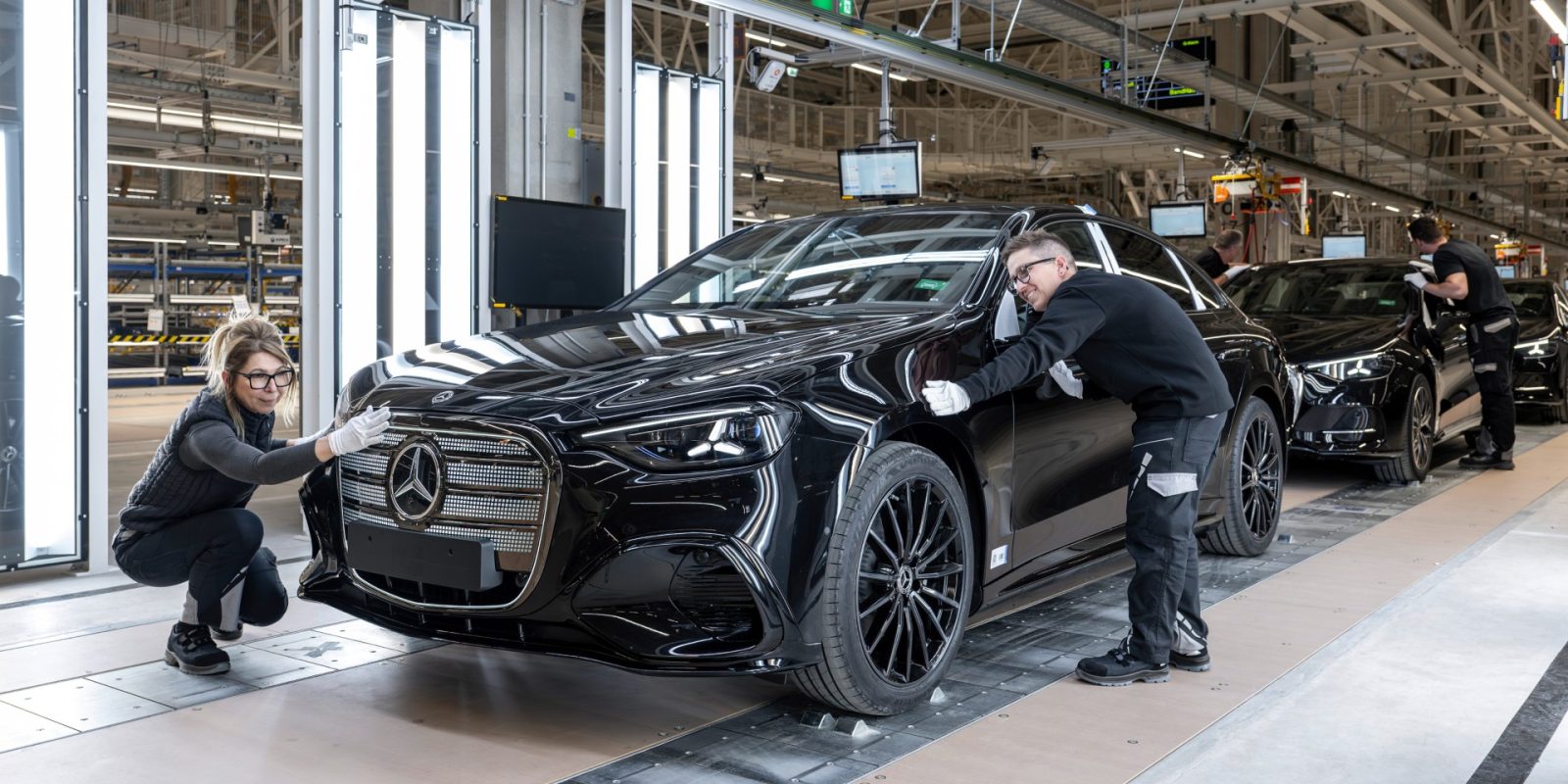
Mercedes-Benz has started production of its all-electric C-Class at its Kecskemét factory in Hungary. The move represents the automaker's push to expand EV manufacturing capacity across Europe as it prepares to launch multiple new electric vehicles.
The new E-Class will replace the traditional internal combustion version in Mercedes' lineup, marking another step in the brand's electrification strategy. Production at the Hungarian facility signals Mercedes' commitment to building EVs closer to European markets, reducing logistics costs and tariff exposure.
Hungary has become a critical EV hub for European automakers. The Kecskemét plant joins other major production centers as Mercedes ramps up battery-electric vehicle output. The C-Class electric variant will compete directly against BMW's i4 and Audi's A4 e-tron in the premium sedan segment, a category where electric options have gained traction among luxury buyers.
Mercedes plans to offer the electric C-Class alongside gasoline and hybrid versions initially, though the EV will eventually dominate the lineup as combustion engines phase out. The company targets an all-electric portfolio for most vehicle segments by 2030, with the C-Class playing a central role in that transition.
The Hungarian factory is equipped with battery assembly capabilities and modern EV production technology. This localized approach helps Mercedes manage supply chain risks and navigate European tariffs on imported vehicles. The strategy also demonstrates confidence in sustained EV demand across the continent.
The electric C-Class arrives as Mercedes faces intensifying competition from Tesla, Chinese EV makers, and traditional rivals accelerating their electrification timelines. Pricing and battery range will prove critical differentiators. Mercedes' reputation for engineering and luxury positioning should resonate with premium buyers upgrading to electric sedans, but execution on delivery timelines and customer satisfaction metrics will determine market success.