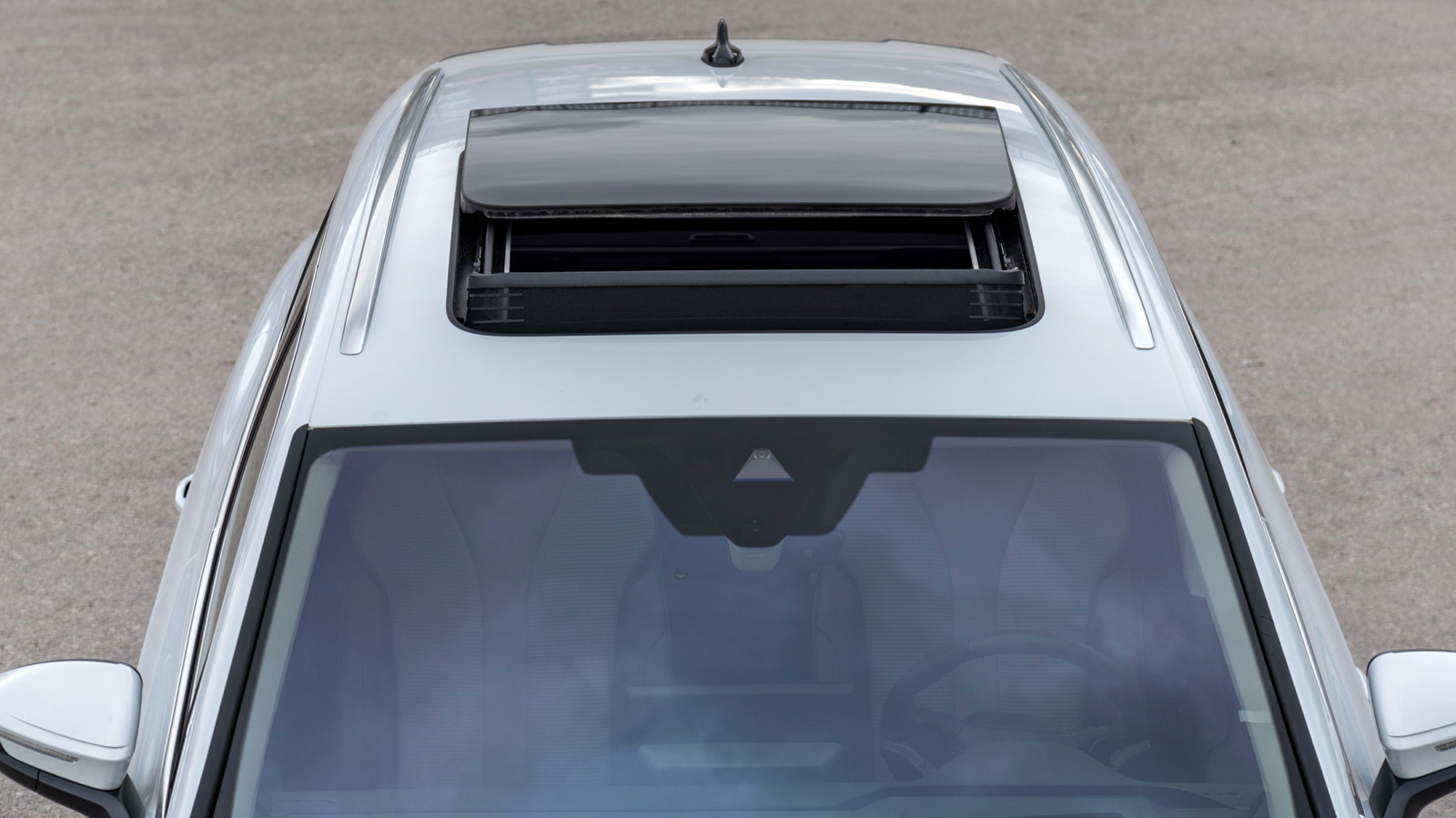
Sunroof leaks rank among the most expensive and frustrating problems owners face, often resulting in water damage to headliners, electrical systems, and interior trim. The good news: most leaks signal themselves before catastrophic failure occurs.
Warning signs arrive early. Listen for wind noise around the sunroof frame, a common indicator that seals have begun deteriorating. Discoloration or staining on the interior headliner near the sunroof edges suggests water has already penetrated, even if you haven't noticed active dripping. Musty odors in the cabin point to moisture pooling in hidden channels. Sluggish sunroof operation, where the panel moves slower than normal or sticks partway, hints at debris clogging the drainage system.
The problem starts in the drainage channels. Every sunroof design includes gutters that funnel water toward the rear of the vehicle. These channels collect leaves, dirt, and dead insects over months and years. Once blocked, water backs up and finds gaps in the weatherstripping, seals, and panel edges. Factory sealant degrades naturally from UV exposure and temperature cycling, creating microscopic pathways for water intrusion.
Prevention demands regular maintenance. Clean drainage channels every six months using compressed air and a small brush. Test the sunroof's operation monthly to catch mechanical issues early. Avoid slamming the panel shut. Most critically, park your vehicle in shade whenever possible to slow sealant deterioration from sun exposure.
If you spot warning signs, don't delay inspection. A sunroof specialist can reapply weatherstripping, replace seals, or clear blocked channels for under 500 dollars in most cases. Ignoring the problem invites water damage costing 2,000 to 5,000 dollars or more for interior restoration. The investment in preventive maintenance pays for itself the first time