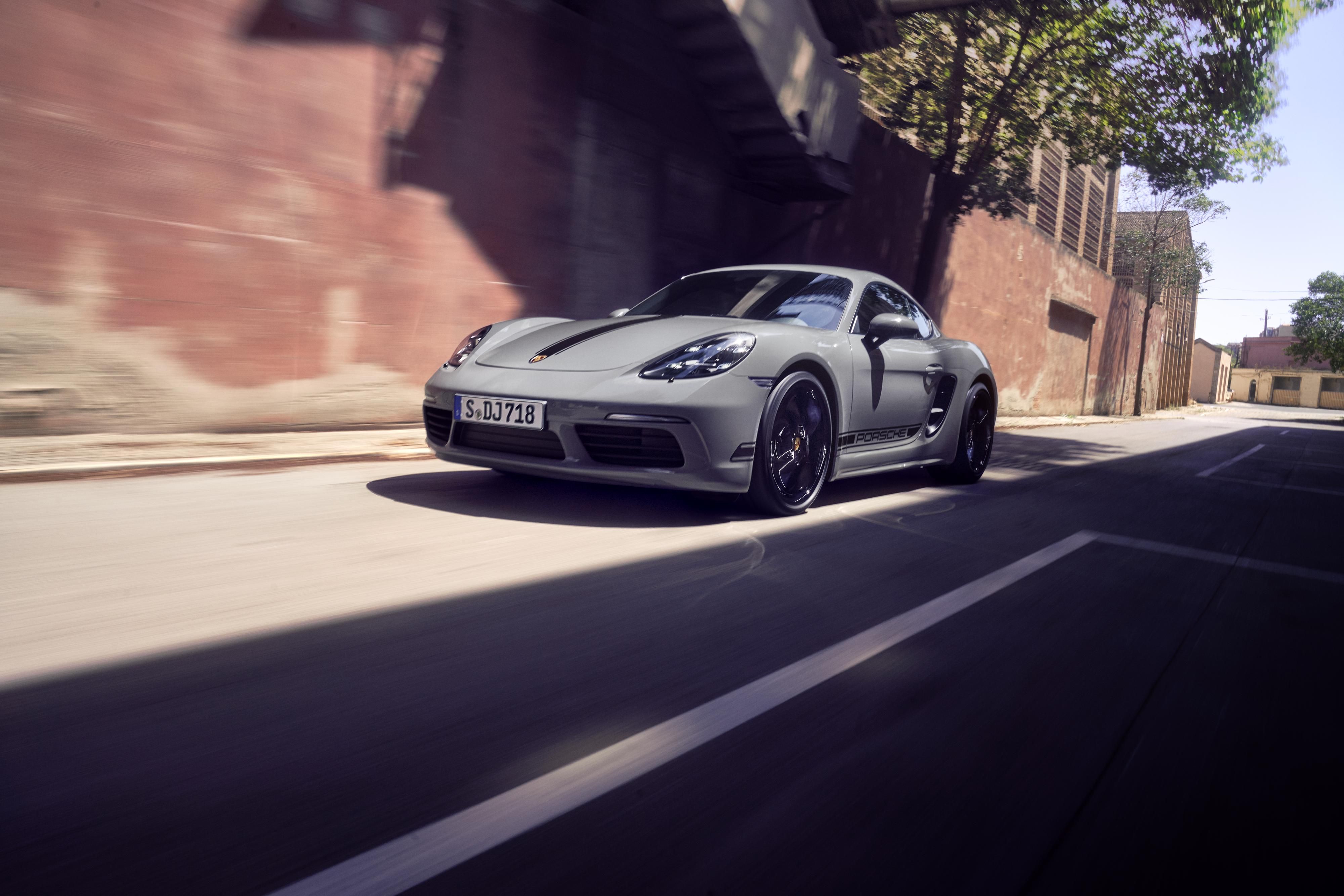
Several sedan and sports car nameplates are getting axed for the 2026 model year, marking another shift in how automakers allocate resources and factory capacity. As the industry prioritizes SUVs and electric vehicles, traditional car segments continue shrinking.
Car and Driver's list includes models that failed to generate sufficient sales volume or profit margins to justify continued production. Sedans especially face headwinds. The segment has lost market share for over a decade as American buyers gravitated toward crossovers and trucks. Sports cars remain niche products, and several manufacturers have concluded that retooling for electrification costs more than discontinuation makes sense.
The casualties represent a broader industry realignment. Compact and midsize sedans compete directly against subcompact and compact SUVs that occupy similar price points but offer more cargo space and perceived safety. Manufacturers like Ford and General Motors have already exited the sedan business almost entirely. Nissan, Hyundai, and Kia still offer sedans but in smaller lineups than five years ago.
Sports car discontinuations reflect different calculus. Porsche, BMW, and Mercedes-Benz are redirecting engineering and capital toward performance electric vehicles rather than final-generation internal combustion versions. The business case for expensive new platforms gets harder when electrification timelines accelerate.
This 2026 wave eliminates models that likely generate under 50,000 annual sales in North America and carry lower profit per unit than SUV equivalents. A compact sedan might net $2,000-3,000 profit; a comparable compact SUV nets $6,000-8,000.
For buyers, the message is clear: order now if you want a traditional sedan or sports car. Once these models exit, waiting lists for remaining competitors like the Accord, Camry, and Mustang will lengthen. Used