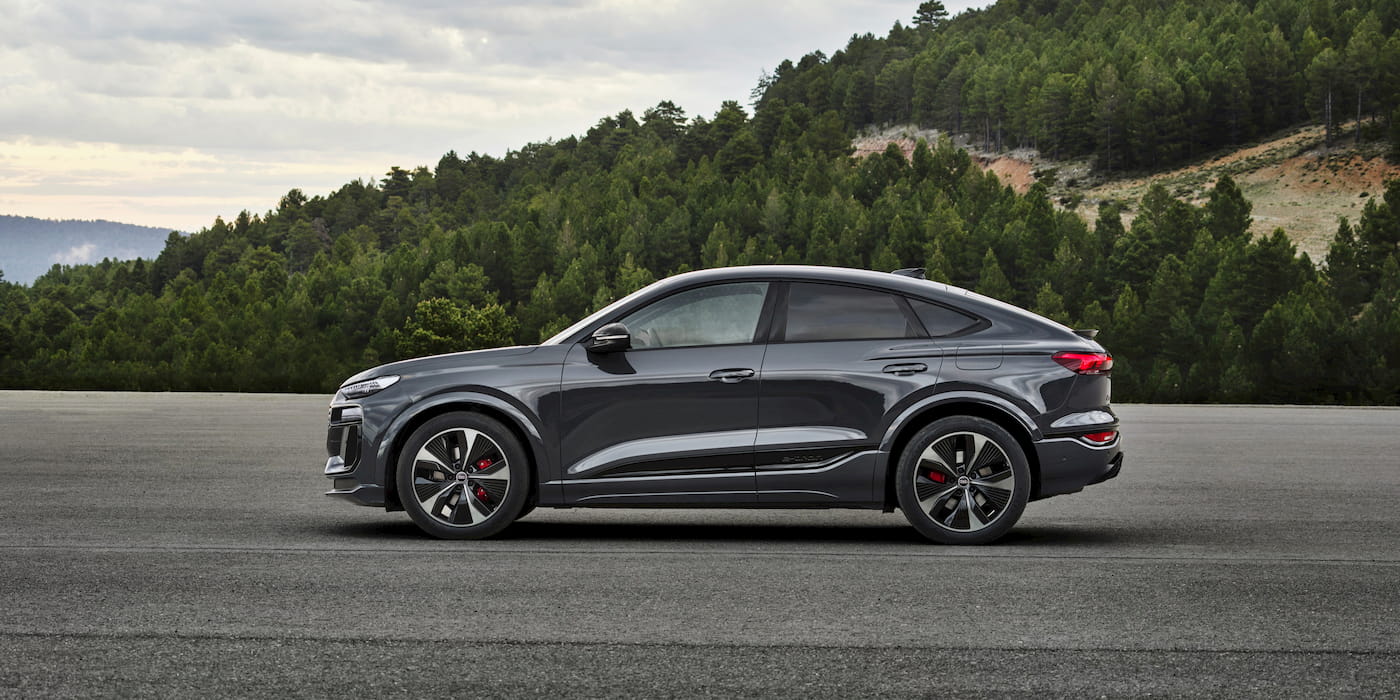
Volkswagen plans to cut its model lineup by up to 50 percent, which means several electric vehicles across its core brand and premium subsidiaries Audi and Porsche face potential discontinuation. The cuts represent a major restructuring as the German automaker grapples with slowing EV demand, rising production costs, and intensifying competition from Tesla and Chinese manufacturers.
The Volkswagen Group has not yet disclosed which specific models will be eliminated, but the scale of the reduction signals aggressive portfolio rationalization. Brands within the group operate with overlapping segments, creating redundancy. Volkswagen's ID.4 compact crossover, ID.5 coupe-crossover, and ID.Buzz microbus remain core pillars, but lower-volume variants and niche offerings face the axe. Audi's Q4 e-tron lineup and select Porsche electric variants, particularly lower-margin models, rank among candidates for discontinuation.
This strategy reflects broader industry headwinds. EV profitability remains elusive for legacy automakers operating with union labor costs and legacy manufacturing infrastructure. Volkswagen faces margin pressure that Tesla has avoided. Chinese competitors like BYD undercut prices on battery technology and have captured market share in key regions.
The cuts also signal shifting priorities toward platforms and scale. Volkswagen has invested heavily in its MEB electric platform, shared across multiple brands. Rather than populate it with numerous variants, the company appears focused on volumes where demand exists. Lower-volume models that don't move volume or generate healthy margins become liabilities.
The decision carries employment implications. Volkswagen operates under strict German co-determination rules requiring worker consultation on major structural changes. Plant closures and job reductions typically trigger negotiations with labor unions. The company has already flagged plant capacity rationalization alongside the lineup cuts.
For consumers, the moves mean fewer niche EV options