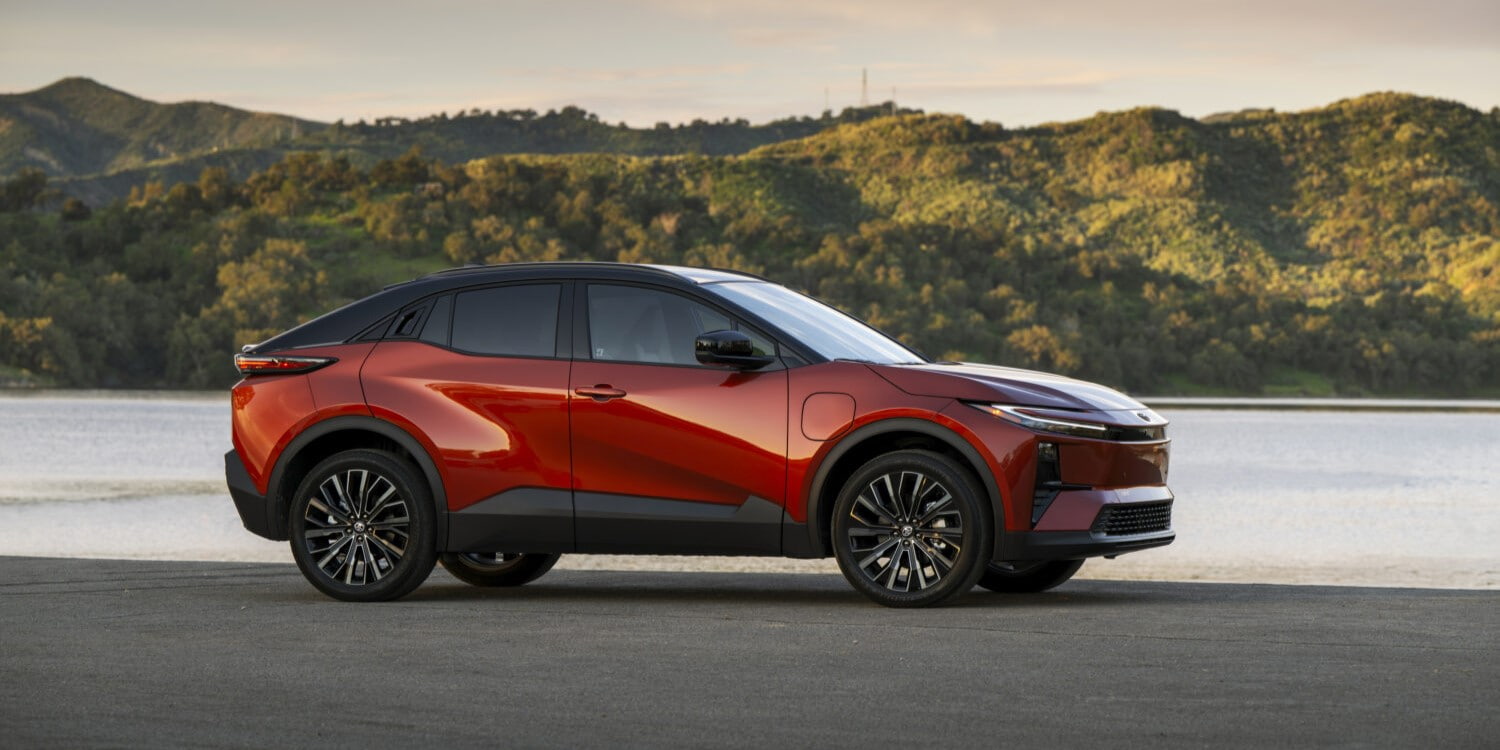
Toyota has cracked the top five EV sellers in the US, driven by explosive 225% growth in electric vehicle sales during the second quarter. This momentum lands Toyota among Tesla, Ford, General Motors, and Volkswagen in the American market. The surge centers on the bZ4X, Toyota's compact electric crossover, which has gained traction with conservative buyers seeking a trusted nameplate in the EV space.
Yet Toyota remains cautious about electrification despite this rapid acceleration. The automaker continues hedging its bets across multiple powertrains, investing heavily in hybrids and hydrogen fuel cells alongside battery electrics. This deliberate pace reflects Toyota's historical skepticism toward full EV adoption and its preference for a gradual transition that protects its massive existing powertrain infrastructure and dealer network.
The timing matters. While Ford, GM, and Volkswagen commit substantial capital to EV platforms, Toyota spreads resources across competing technologies. The bZ4X benefits from Toyota's reputation for reliability and quality control, factors that resonate with mainstream buyers wary of EV growing pains. However, the automaker lacks the aggressive product roadmap of competitors. Ford's Mustang Mach-E and F-150 Lightning enjoy broader market awareness. GM's Cadillac Lyriq and GMC Sierra EV command luxury and truck segments where margins run deep.
Toyota's 225% surge reflects a low starting point rather than overwhelming dominance. The company ships far fewer EVs than Tesla or Ford on an absolute basis. More EVs enter the US market each month as Hyundai, Kia, and Chinese makers expand distribution. These rivals offer greater model variety and lower price points.
The real story: Toyota achieved top-five status through conservative execution of proven strategies. Build quality. Brand loyalty. Hybrid integration. The bZ4X slots neatly into