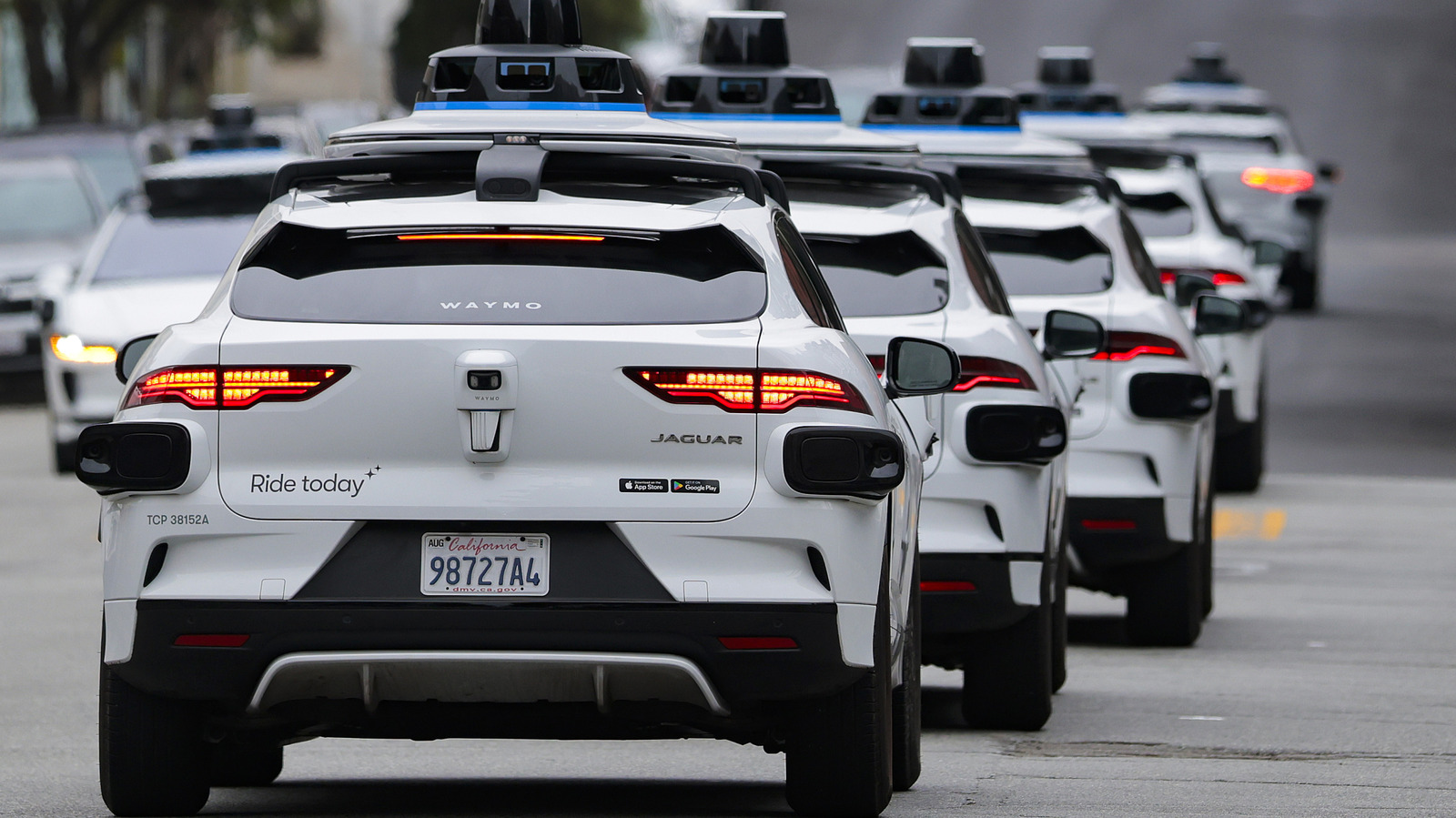
Waymo's driverless taxis are handling the full spectrum of human behavior on San Francisco streets, and the company's cleaning crews are bearing the brunt of it.
Riders have fallen asleep in Waymo vehicles, leaving them to wake up abandoned in parking lots. Passengers have eaten messy food and left trash scattered across seats. One woman gave birth inside a Waymo robotaxi en route to the hospital. Another passenger tracked dog feces into a vehicle and left it there. These incidents paint a messy reality behind the autonomous vehicle revolution: removing human traces from shared transportation requires constant human labor.
Waymo's maintenance teams now manage the aftermath of thousands of daily rides across San Francisco's service area. The company deployed dedicated cleaning crews to handle everything from spilled beverages to biohazard situations. Each vehicle requires inspection and cleaning between rides to maintain safety and hygiene standards.
The issue exposes a gap in the autonomous vehicle narrative. While the industry touts the elimination of human drivers, the cleanup operation reveals that driverless cars still depend heavily on human workers. Waymo employs people specifically trained to sanitize interiors, remove trash, and document damage for insurance purposes.
This cleanup burden differs significantly from traditional rideshare services like Uber and Lyft, where drivers perform basic cleaning. Waymo cannot rely on passengers to maintain vehicle condition, and the company bears full responsibility for the fleet's cleanliness.
The incidents reflect typical behavior in shared mobility spaces but highlight operational challenges autonomous operators face. Waymo must balance customer accessibility with vehicle maintenance costs. The company has tested various approaches, including driver-facing cameras to deter misbehavior, but enforcement remains difficult without a human present during rides.
These real-world complications underscore that autonomous vehicle adoption involves more than just removing the steering wheel. Fleet maintenance, passenger behavior management, and worker staffing remain significant