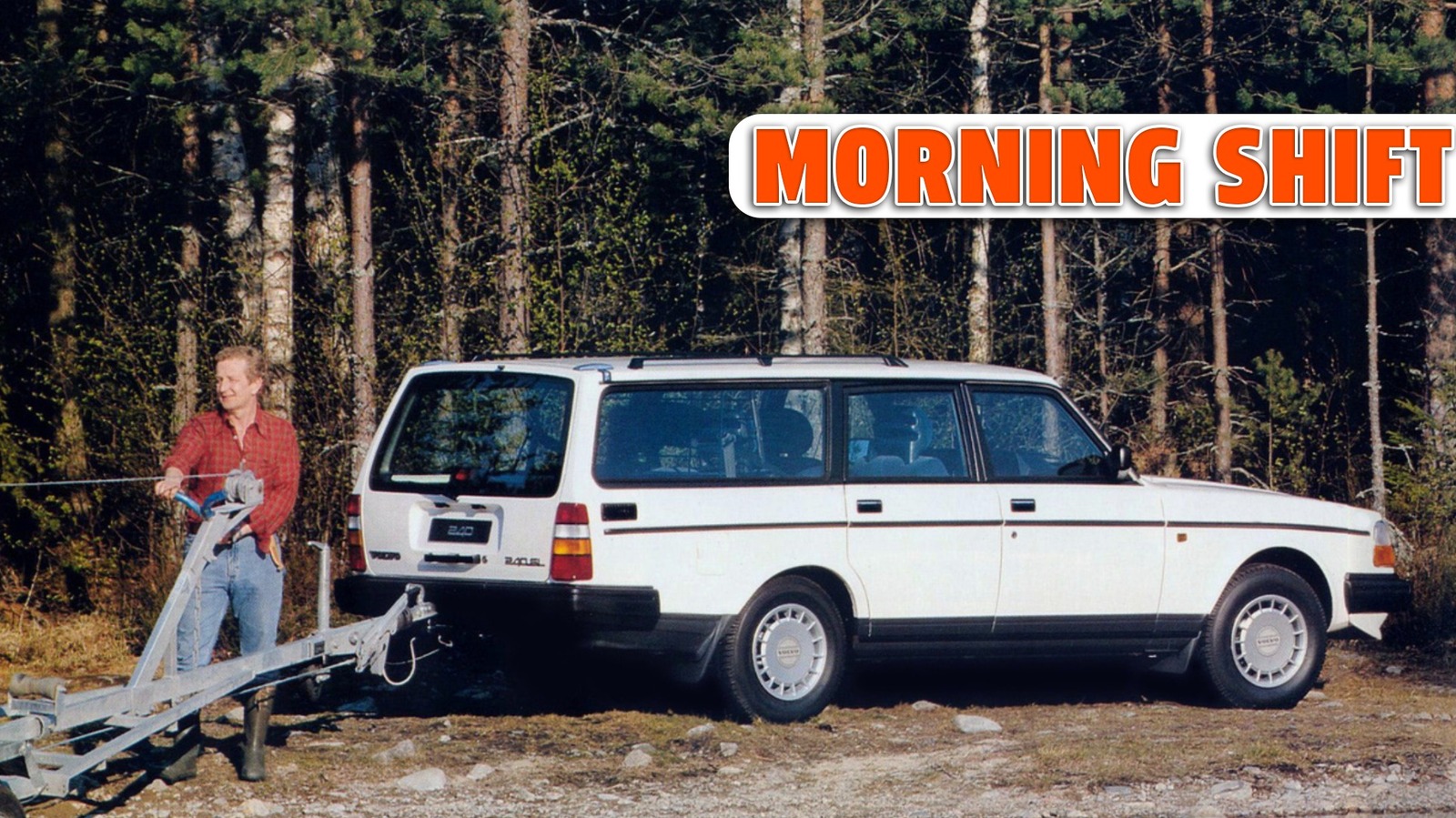
Volvo is exploring a return to the U.S. sedan and wagon market, sources confirm, as the Swedish automaker reconsiders its all-SUV strategy that has dominated its recent product lineup. The company currently sells no traditional sedans in America, having phased out the S90 and related models as consumer preference shifted decisively toward crossovers and SUVs.
The potential revival represents a calculated gamble. Volvo's parent company Geely has invested heavily in electric vehicle platforms that could underpin these sedans and wagons, making them competitive on efficiency and performance metrics that matter to American buyers tired of bloated SUVs. The timing aligns with a quiet but growing pushback against the SUV dominance that has defined U.S. car culture for two decades.
Wagons remain niche products in America. Subaru's Outback succeeds partly because buyers perceive it as quasi-SUV protection rather than pure wagon functionality. But Volvo's brand positioning around safety, Scandinavian design minimalism, and environmental responsibility could differentiate traditional wagons from competitors. The sedan pitch targets drivers seeking efficient, refined daily drivers that don't sacrifice driving dynamics for height clearance.
This strategy counters BMW, Mercedes-Benz, and Audi, which have all doubled down on SUV portfolios at the expense of sedan depth. If executed well, Volvo captures cost-conscious luxury shoppers and enthusiasts fatigued by the SUV treadmill. The company's reputation for understated, functional design gives these vehicles a fighting chance against trend.
Challenges remain substantial. U.S. sedans sales have contracted sharply over a decade. Manufacturing capacity, regulatory compliance, and market education require serious investment. Volvo would need to price competitively against both traditional luxury sedans and practical SUVs, a difficult positioning.