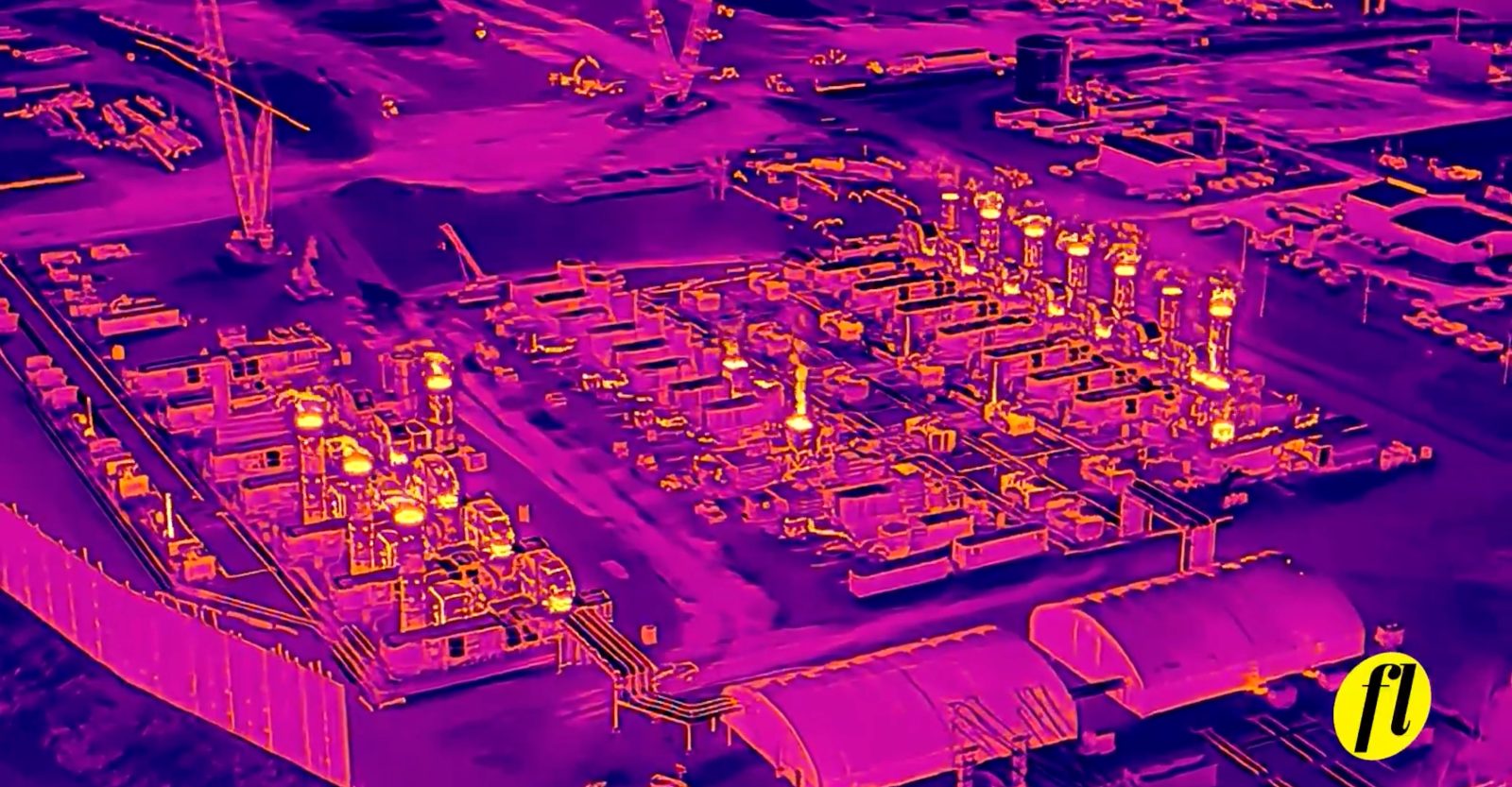
Elon Musk has acquired APR Energy, a Jacksonville-based operator of mobile gas and diesel turbines with over 1 GW of generation capacity, for approximately $1 billion. The purchase funds power infrastructure for xAI's Grok artificial intelligence platform, which demands enormous electricity consumption.
The move marks a striking contradiction. Musk positions himself as an advocate for renewable energy and has built Tesla's brand around electric vehicles and solar power. Yet he now controls a fleet of fossil fuel generators. The turbines burn natural gas and diesel to produce electricity on demand, the opposite of the clean energy narrative Musk typically promotes.
Data centers running large language models like Grok consume staggering amounts of power. Training and operating these systems requires continuous, reliable electricity. Traditional renewable sources cannot yet guarantee the baseload power that AI infrastructure demands. For xAI, fossil fuel turbines solve an immediate problem: they deliver electricity when needed, without reliance on grid availability or weather conditions.
This acquisition reflects a broader industry tension. Tech companies racing to build AI capabilities face a fundamental constraint: available electrical capacity. Data center demand is outpacing grid infrastructure and renewable generation. Companies including Microsoft, Google, and Meta are similarly seeking power solutions, whether through nuclear partnerships, grid deals, or owned generation capacity.
Musk's purchase of APR Energy is not unprecedented for him. His companies have long pursued energy independence. SpaceX operates its own power systems. Tesla Energy sells battery storage. Yet buying a gas turbine company while championing climate action exposes the gap between stated values and operational realities.
The decision signals that Musk prioritizes xAI's computational needs over his public environmental commitments. Grok represents a competing priority: building artificial general intelligence requires resources that current renewable infrastructure cannot reliably supply. Whether this arrangement is temporary while renewable capacity expands or permanent remains unclear.