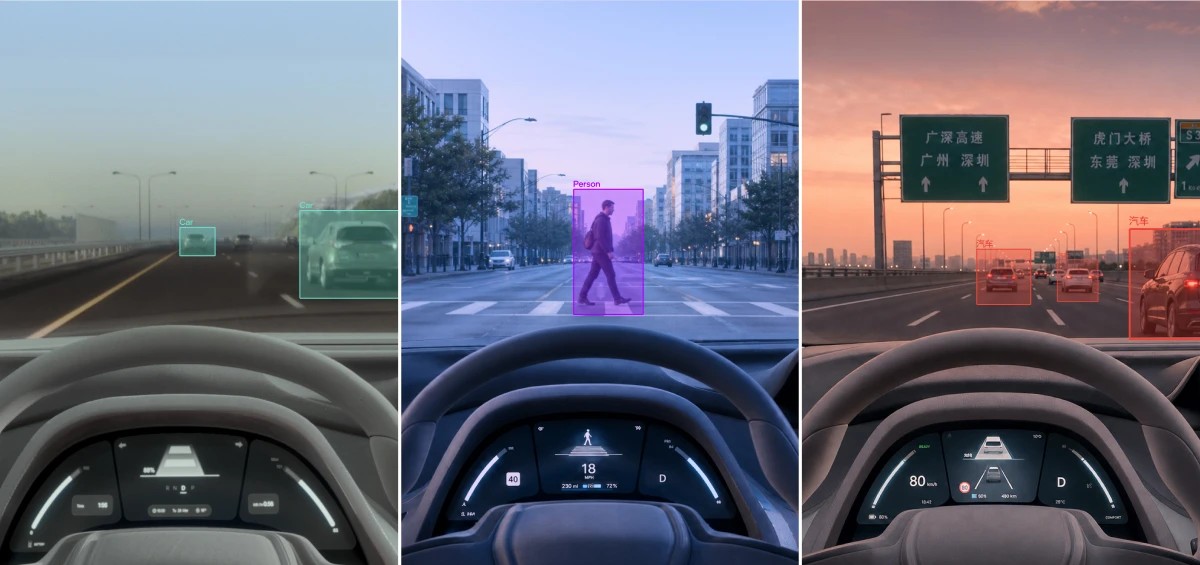
Intel's Mobileye has outlined how European and Chinese regulatory mandates will reshape advanced driver assistance systems globally by 2026. Europe's push to require specific ADAS functions creates a regulatory floor that manufacturers cannot ignore. When China adopts similar standards, that baseline becomes the de facto requirement across all major markets.
This dynamic matters because automakers face a choice: build different ADAS packages for different regions or standardize on the highest common requirement. Standardization wins every time from an engineering and cost perspective. A manufacturer building vehicles for Europe with mandated lane-keeping assist and automatic emergency braking will simply equip all global variants with those same systems rather than maintain separate supply chains and software builds.
Mobileye, owned by Intel and a dominant force in autonomous driving perception systems, recognizes this shift. The company supplies vision-based ADAS technology to major OEMs including BMW, Volkswagen Group, and others. Its mapping exercise reflects how regulatory pressure in large markets cascades outward.
The 2026 timeline matters because it gives manufacturers roughly two years to redesign vehicle platforms and software architectures. Features like adaptive cruise control, automatic lane centering, and collision avoidance already exist in premium segments. The regulatory mandate pushes them into mainstream and budget tiers where they become standard rather than optional.
China's regulatory trajectory proves critical. As the world's largest vehicle market and a technology leader in its own right, Chinese standards carry outsized influence. European Union regulations on ADAS have teeth because the bloc represents roughly 15 percent of global vehicle sales. When Beijing adds its weight, OEMs cannot treat Chinese requirements as regional accommodations.
Mobileye's analysis positions the company to capture more sensor fusion and software licensing opportunities as OEMs race to meet 2026 deadlines. Competitors like Nvidia, Tesla, and traditional Tier-1 suppliers will