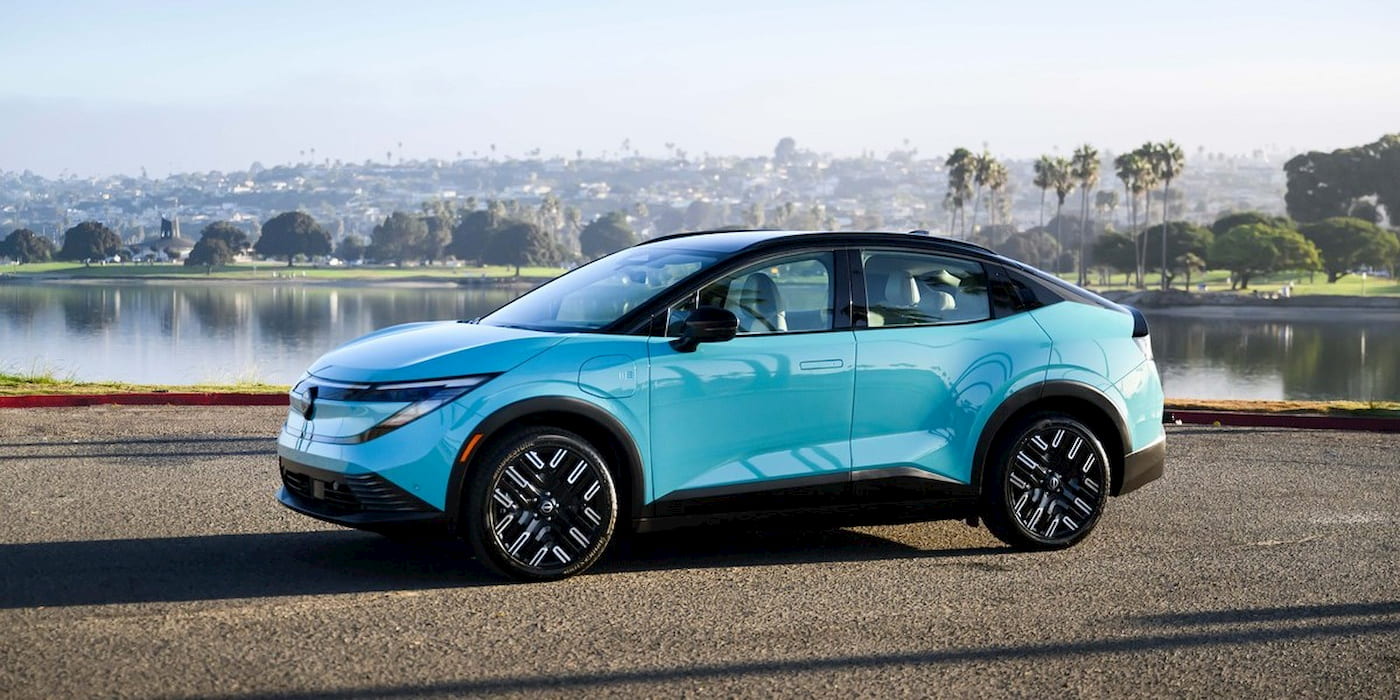
Nissan is recalling 3,909 units of the 2026 Leaf EV after Consumer Reports testing revealed that rear seat belt assemblies fail to meet federal safety standards. The defect affects vehicles built between specific production dates, and Nissan will replace the seat belt assemblies at no cost to owners.
Consumer Reports' testing uncovered that the rear seat belts do not meet the requirements set by the National Highway Traffic Safety Administration (NHTSA). The exact nature of the failure remains under investigation, but seat belt compliance ranks among the most basic vehicle safety requirements. Nissan has not reported any injuries or accidents related to this defect.
The 2026 Leaf represents Nissan's refresh of its longest-running EV nameplate. The new generation aims to compete directly with the Tesla Model 3, Chevy Bolt EV, and Volkswagen ID.4 in the mass-market electric vehicle segment. A seat belt safety issue hitting new production runs creates timing problems for Nissan as it ramps up Leaf sales in a critical product cycle.
This recall underscores how thoroughly manufacturers must validate safety systems before launch, even on updated versions of existing vehicles. Consumer Reports plays an outsized role in identifying defects that escape initial quality control processes. For Nissan, the recall means addressing nearly 4,000 vehicles already delivered or in dealer inventory, managing customer communications, and scheduling service appointments during peak demand periods.
Nissan owners affected by this recall will receive official notification in the mail. Dealers will perform the seat belt replacement work as part of the recall service, with no out-of-pocket cost to owners. The company has not announced any production halts or delays tied to this issue.
For potential Leaf buyers, this recall demonstrates that even established EV platforms can encounter unexpected safety failures at the component level. However, the swift