Wheel speed sensors form the backbone of modern vehicle safety and performance systems, yet many drivers ignore early warning signs of failure until brake problems escalate. These sensors monitor rotational speed at each wheel and feed data to critical systems including ABS, traction control, and stability management software.
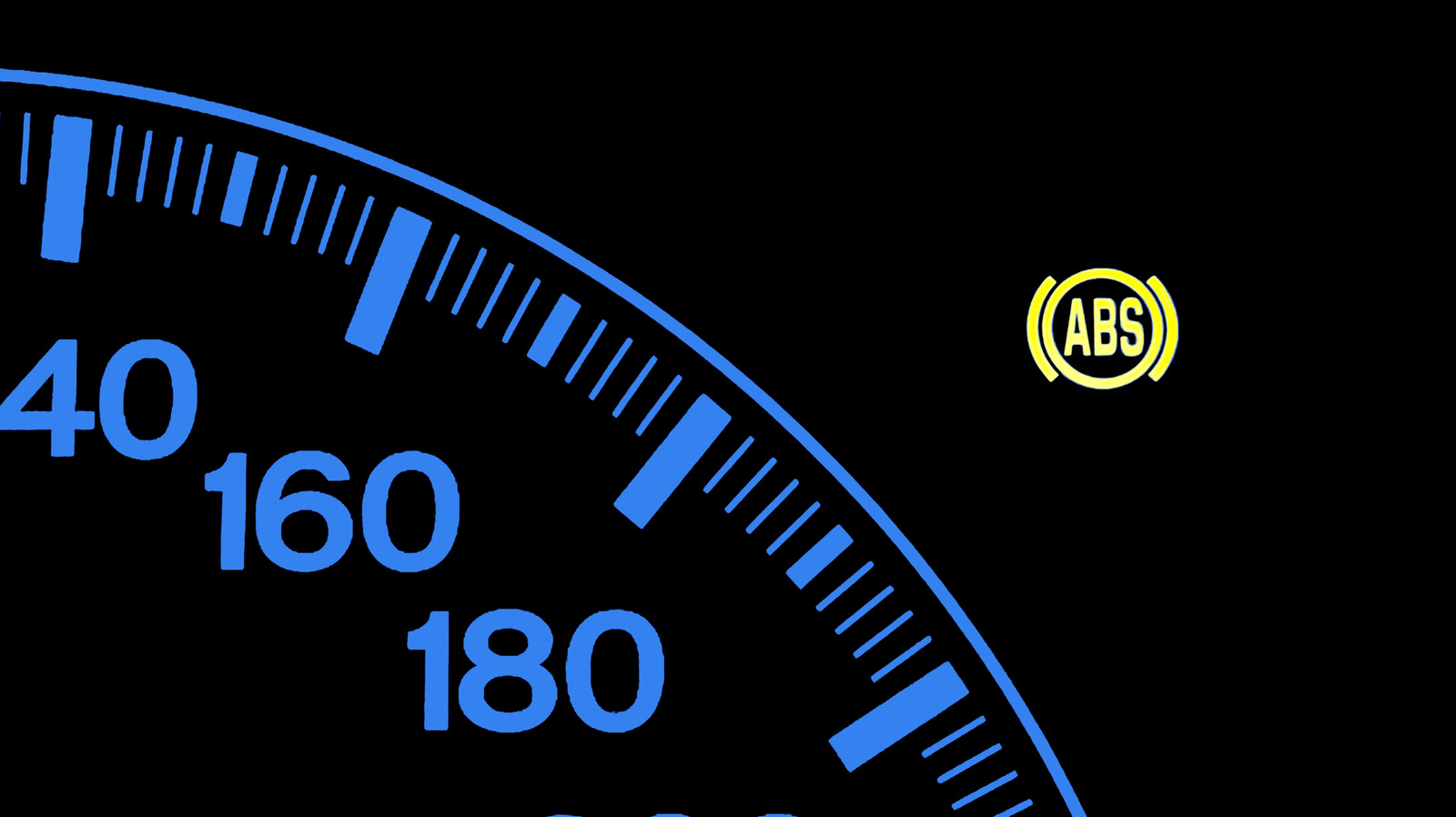
A faulty sensor triggers the ABS warning light on your dashboard. Your brake system may behave erratically during panic stops, with wheels locking or pulsing under heavy braking. Traction control systems lose effectiveness, making acceleration on wet or slippery surfaces dangerous. Some vehicles show stability control warnings. You might notice your speedometer behaving oddly, jumping around or reading inaccurately, since it relies on wheel speed data.
Handling changes noticeably too. Your car may feel unstable during cornering or struggle to maintain traction on loose surfaces. Winter driving becomes riskier. The vehicle's computer cannot properly manage brake distribution across wheels without accurate sensor input.
Wheel speed sensors sit inside wheel hubs or on brake components and encounter constant exposure to moisture, salt, and debris. The wiring corrodes. Metallic particles accumulate on magnetic sensor surfaces. These sensors fail gradually or abruptly depending on the underlying cause.
Diagnosis requires a code reader that accesses your vehicle's ABS module. A specific diagnostic trouble code points to the exact failed sensor. Don't ignore the problem. Driving without functional wheel speed sensors strips away layers of vehicle safety. Your ABS, stability control, and traction management all rely on these inputs working correctly.
Professional replacement typically costs between $150 and $400 per sensor depending on vehicle model and whether the hub assembly requires replacement alongside the sensor. Some cars position sensors accessibly, allowing independent replacement. Others demand hub removal and specialist equipment.
Address wheel speed sensor failures immediately. The warning lights serve a purpose. These sensors sit between your driving safety