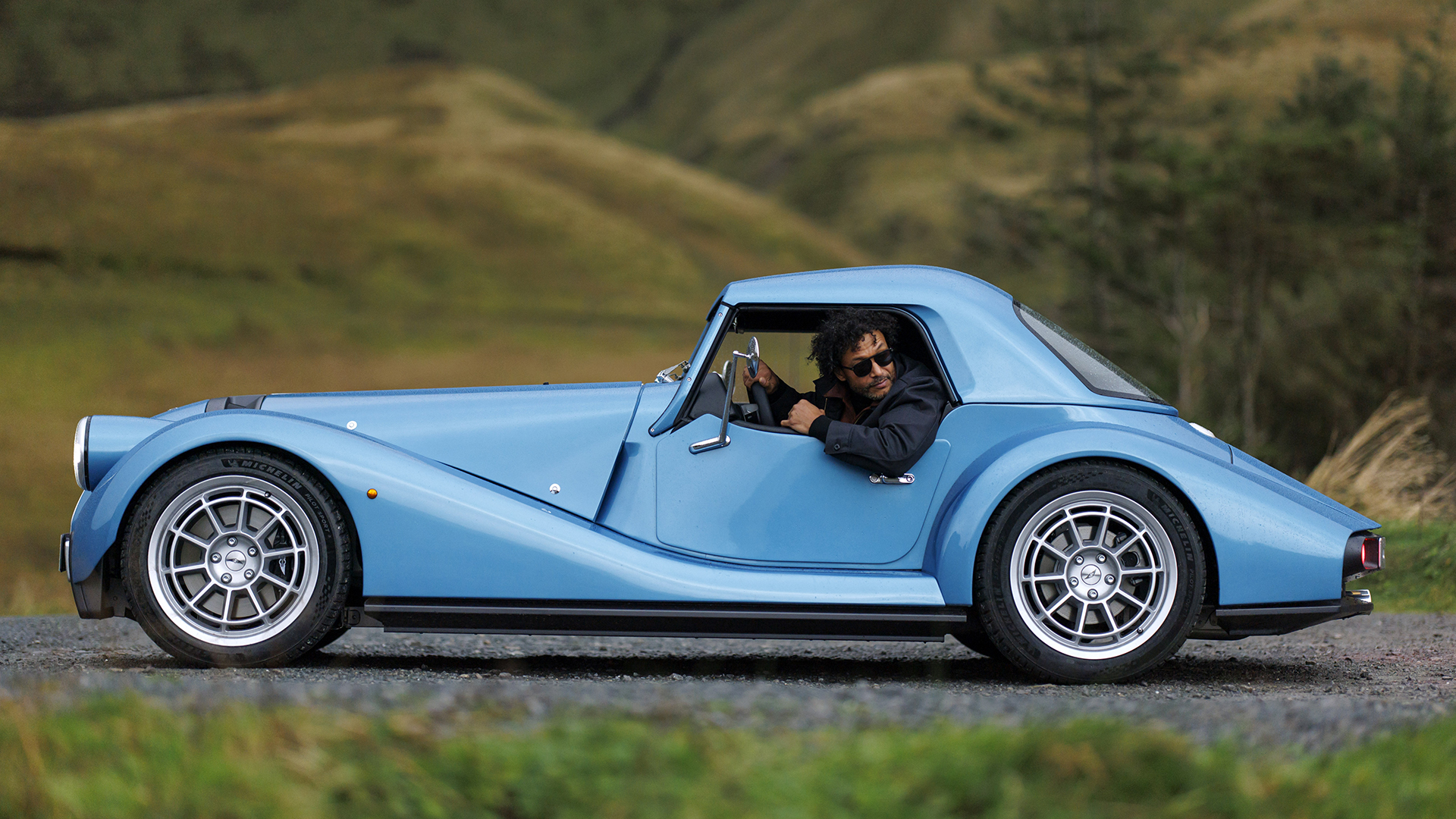
Morgan is downsizing the Supersport for American buyers. The British boutique carmaker will equip its new Supersport with BMW's B46 turbocharged four-cylinder engine for the US market, replacing the B58 straight-six that powers the European version. The shift cuts two cylinders to navigate US emissions and safety regulations while maintaining appeal to stateside collectors.
The B58 is a 3.0-liter inline-six producing around 335 horsepower. The B46 turbo four displaces 2.0 liters and delivers comparable output through forced induction, though exact figures for the Supersport application remain unconfirmed. This engine swap reflects a familiar pattern in the automotive industry. Manufacturers regularly tune powerplants differently or substitute smaller units for overseas markets to meet local regulatory requirements.
Morgan's decision underscores the complexity of importing low-volume specialty cars into the US. Homologation costs for crash testing and emissions certification can consume resources better spent on vehicle development for boutique manufacturers. Using an already-certified BMW engine sidesteps these expenses while preserving performance character.
The Supersport itself represents Morgan's modern offensive. Built on an aluminum chassis with carbon-fiber bodywork, it targets drivers seeking analog driving experience without retro-theater. The car arrives as traditionalists lament the industry's electrification push. Morgan has committed to internal-combustion engines longer than most peers, betting that passionate enthusiasts still value mechanical simplicity and raw connection.
Limiting the US run to a small production run suggests Morgan expects modest demand stateside, likely targeting existing owners and devoted brand loyalists rather than mass-market appeal. The Supersport competes in rarefied territory alongside machines like the Lotus Emira and Porsche 911, except at lower volumes and price points.
This engine swap reveals practical compromises