# Tire Speed Ratings: What Your Family Car Actually Needs
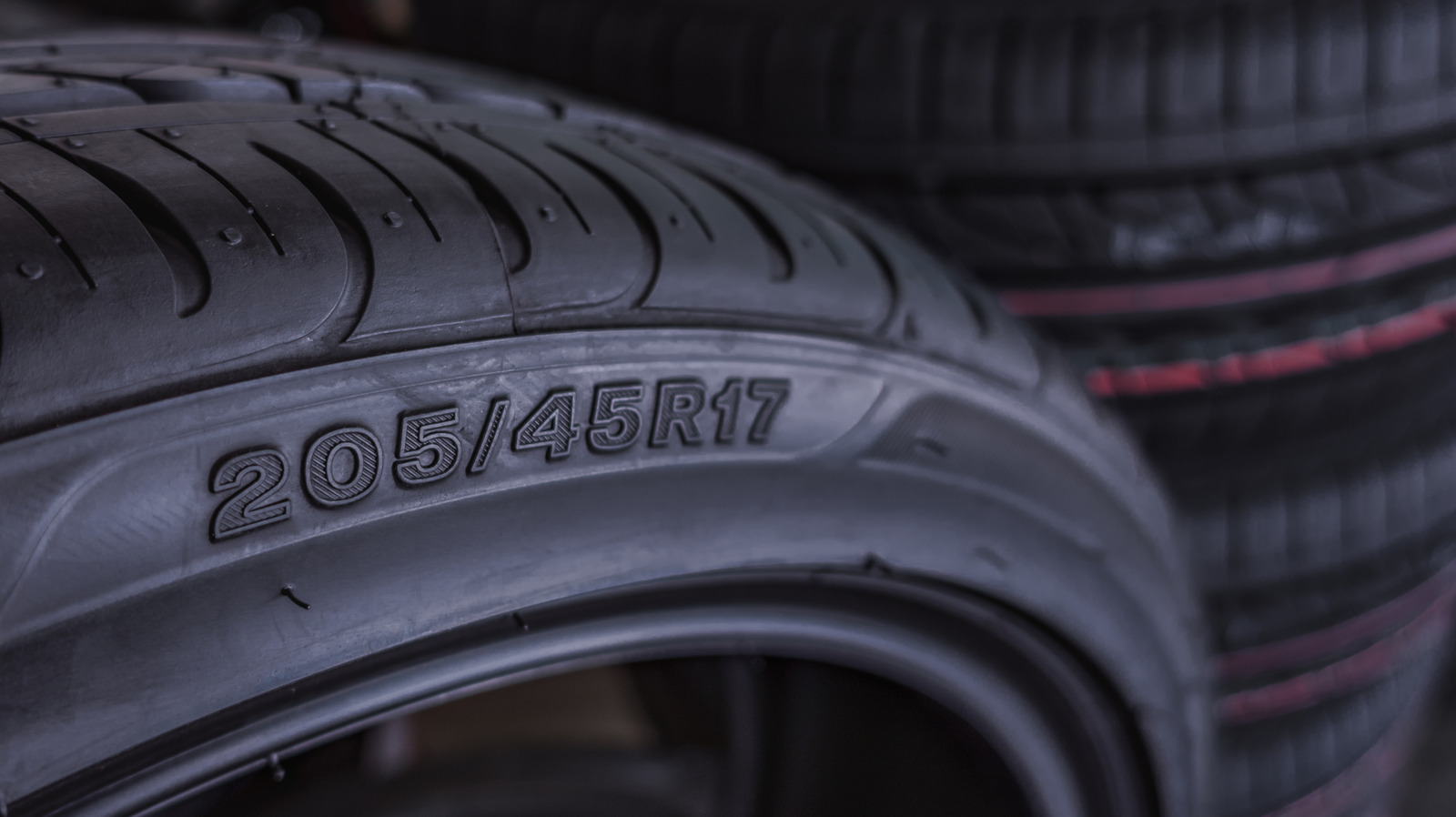
Your tires carry a letter grade that tells you the maximum safe speed they can handle. Most drivers ignore this rating entirely, assuming their rubber can match whatever their engine delivers. The reality proves more modest.
A standard family sedan typically wears H-rated tires, which max out at 130 mph. That's higher than legal highway speeds in nearly every jurisdiction, but it's not the V, W, or Y ratings found on performance vehicles and luxury cars. Those designations climb to 149 mph, 168 mph, and 186 mph respectively. Sports cars and high-performance models demand those premium compounds.
The speed rating reflects how a tire performs under sustained stress at that velocity. Higher ratings mean reinforced sidewalls, stiffer compounds, and construction designed to handle heat buildup and centrifugal forces. These improvements come with trade-offs: performance tires often sacrifice comfort, ride quality, and tread life. An H-rated all-season tire might offer 50,000 miles of wear. A V-rated performance tire might deliver 30,000.
Manufacturers assign ratings through standardized testing. Tires must maintain structural integrity and predictable handling at their rated speed for extended periods. Going beyond that threshold risks blowouts, loss of grip, and catastrophic failure at highway speeds.
Most drivers never approach their tire's rated limit. A Camry owner traveling at 70 mph operates well within H-rating capability. But here's the catch: if you buy cut-rate budget tires or older stock, you might end up with H-rated rubber that performs closer to G specifications due to aging or manufacturing shortcuts. Age degrades tire compounds, reducing their effective speed capacity.
The takeaway matters most for used car buyers and fleet managers. Verify your tire's rating when replacing rubber