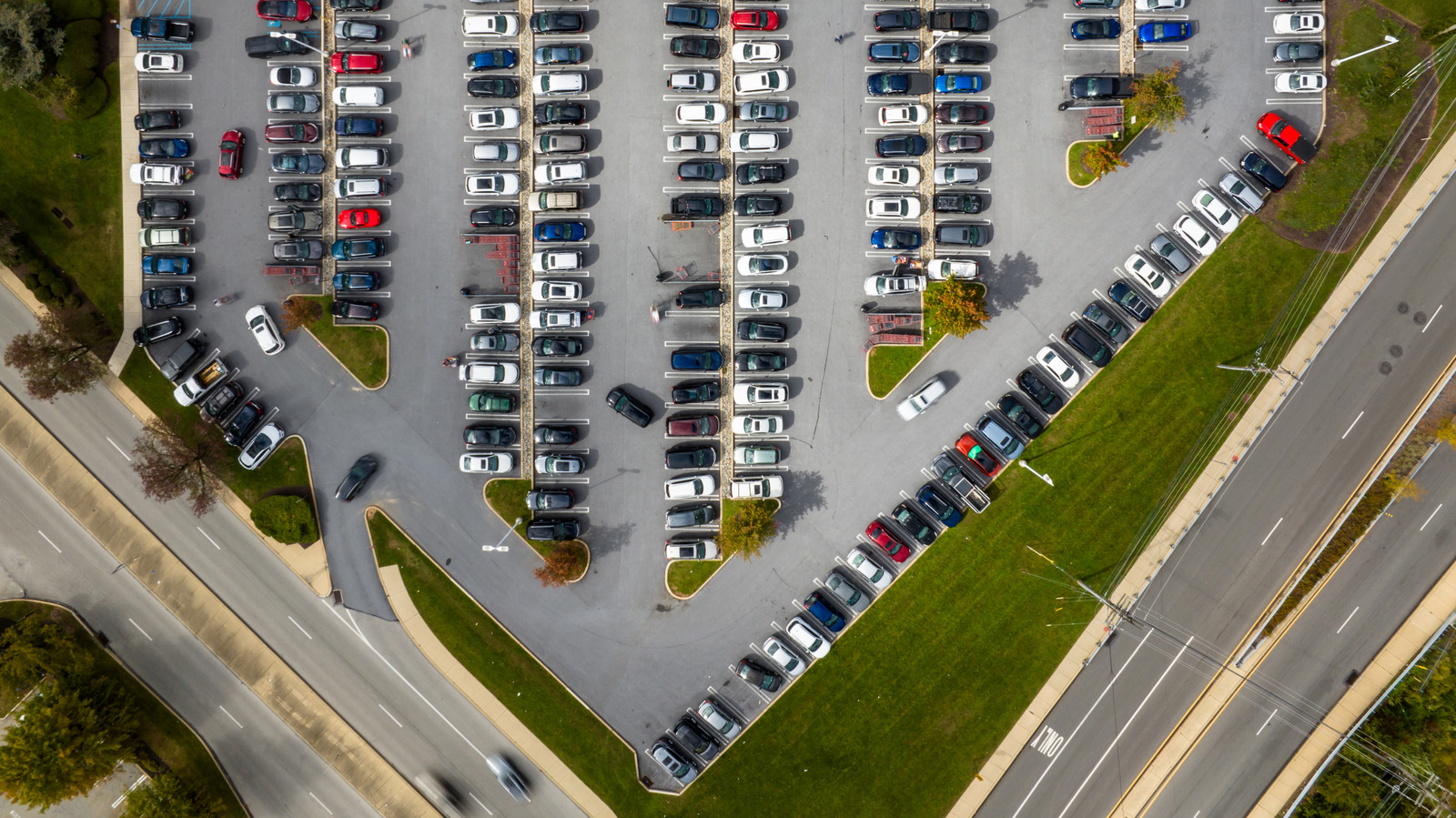
Parking remains one of the most aggravating aspects of car ownership, and drivers are fed up. Jalopnik readers shared their worst parking lot nightmares, ranging from chaotic dirt lots at events to labyrinthine parking garages where signage fails to guide anyone toward available spaces.
The complaints center on three main problems. First, overcrowded temporary lots at concerts, festivals, and sporting events operate without organization. Attendants disappear. Lines form. Drivers circle endlessly searching for spots that don't exist. Second, multi-level parking garages confuse drivers with poor signage, unmarked aisles, and no real-time vacancy information. Finding an open space becomes a guessing game that wastes fuel and time. Third, and most predictable, inconsiderate drivers ignore posted rules entirely. They park across two spaces. They block fire lanes. They claim handicapped spots without permits. They leave shopping carts in spaces.
What emerges is a gap between parking infrastructure and driver reality. Most lots were designed decades ago before smartphone navigation and current vehicle sizes. They lack digital guidance systems that would show available spaces. Many garages still rely on outdated signage instead of LED indicators. Event parking, in particular, suffers from inadequate planning. Organizers underestimate attendance or hire insufficient staff to manage traffic flow.
The enforcement problem runs parallel. Parking violations go unpunished because lot attendants can't monitor every inch of pavement. Tow trucks show up hours late or not at all. Repeat offenders face no real consequences.
Solutions exist but require investment. Real-time parking availability apps and electronic signage reduce search time. Wider lanes accommodate modern SUVs and trucks. Better event planning prevents gridlock. Consistent enforcement changes behavior.
Until then, drivers will continue hunting for spaces in dimly lit garages and fighting for ground at overc