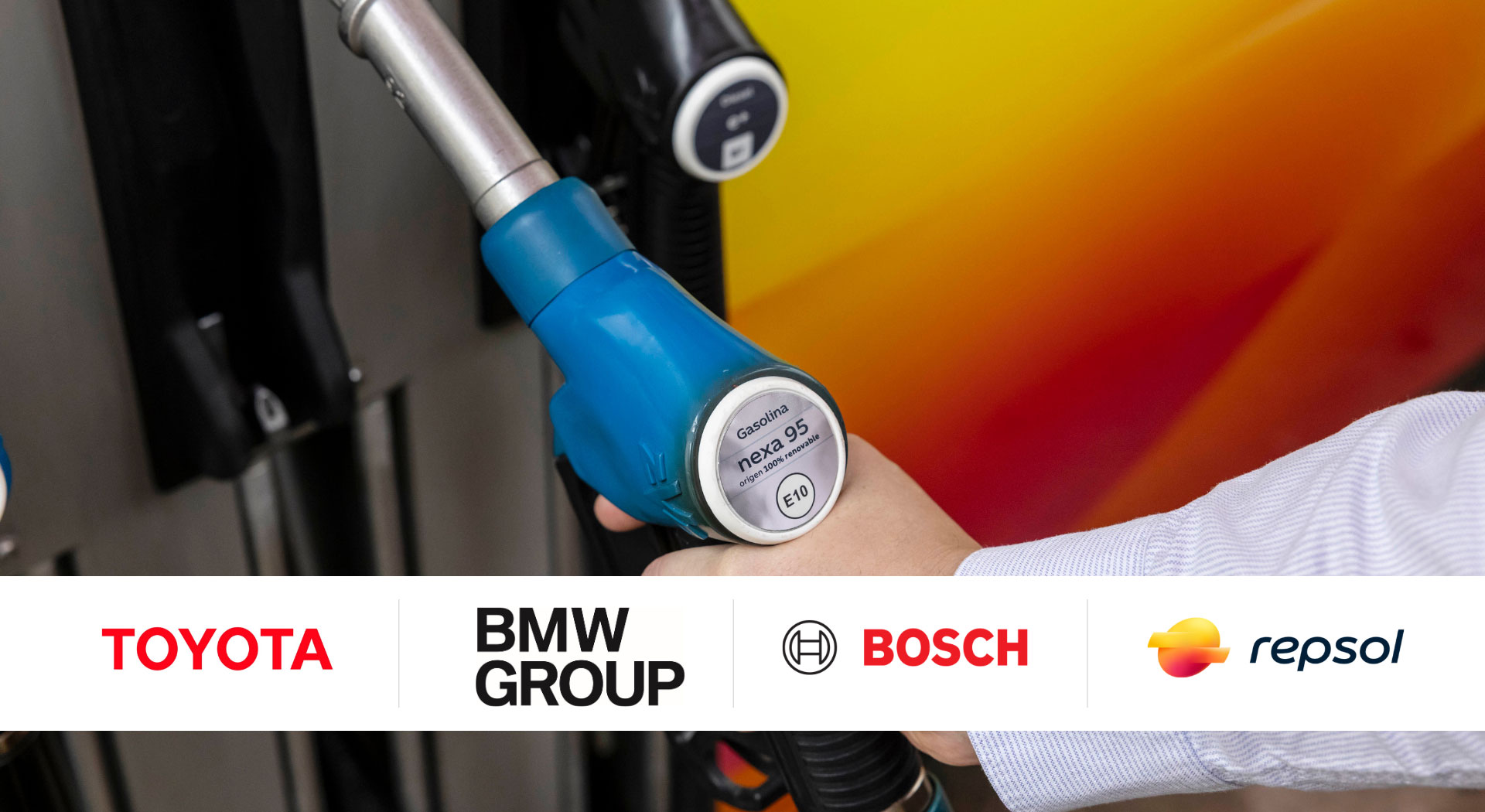
Toyota and BMW have launched a renewable gasoline pilot program in Spain, marking a strategic move to demonstrate low-carbon fuels for internal combustion engines on real-world roads. The two automakers are gathering actual fuel consumption and emissions data from public driving conditions rather than relying solely on laboratory testing.
This approach carries regulatory weight. EU policymakers struggle to dismiss real-world data collected from actual pumps and roads. Laboratory emissions modelling has faced growing scrutiny for failing to reflect genuine driving behavior and conditions. By deploying renewable gasoline in Spain, Toyota and BMW are building a data fortress against stricter fuel regulations.
Renewable gasoline, also called synthetic or e-fuel, represents a hedge against full electrification mandates. These fuels burn cleaner than conventional petroleum and can reduce lifecycle carbon emissions when produced from renewable energy sources. Existing internal combustion engines run them with minimal or no modification, which appeals to both manufacturers and owners of current vehicles.
The timing reflects automotive industry tensions. The EU plans to tighten emissions standards and push battery electrics aggressively. Toyota and BMW, however, see merit in extending ICE viability through advanced fuels. Toyota has consistently advocated for multiple pathways to decarbonization. BMW operates across both EV and combustion technologies and has invested in e-fuel research.
Spain offers a logical testbed. The country has renewable energy capacity, supportive climate goals, and regulatory environment open to alternative fuel pilots. Real-world data collection here helps both manufacturers build a case for regulatory flexibility in Europe while addressing the practical concern that complete EV transition timelines face infrastructure and affordability headwinds.
This pilot won't stop electrification trends, but it demonstrates that legacy automakers refuse to abandon combustion entirely. Renewable fuels create optionality. For regulators weighing transportation's true carbon cost across manufacturing, energy grids, and end