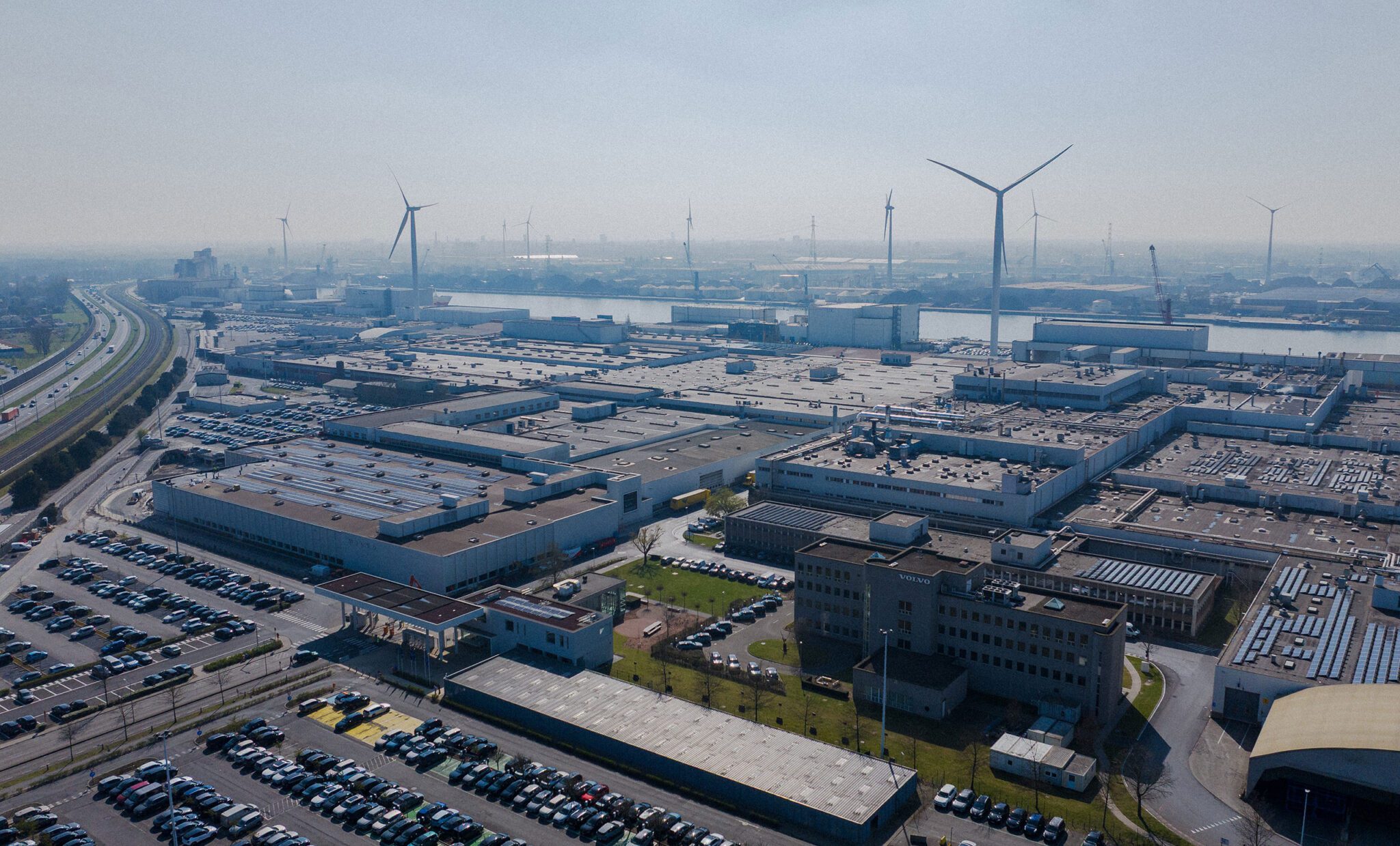
Volvo Cars has secured a 119 million euro agreement to stabilize operations at its Ghent, Belgium manufacturing facility. The deal underscores the financial strain European automakers face as they navigate the shift toward electric vehicles and comply with tightening emissions regulations.
The Ghent plant represents a critical production hub for Volvo, but European factories confront mounting pressure from rising labor costs, energy expenses, and the need for capital-intensive retooling to support EV output. The investment addresses these headwinds while keeping the facility competitive within Volvo's broader manufacturing network.
This move reflects a broader industry pattern. Legacy automakers across Europe are renegotiating plant agreements and securing government support to offset the disruption caused by electrification. Plants require significant renovation to handle battery assembly, new supply chains, and retraining of workforces. Without intervention, facilities risk closure or consolidation.
Volvo has committed to electrification but operates within the constraints of existing infrastructure. The Ghent facility currently produces multiple model variants, and the company must maintain output while transitioning production lines. The agreement likely involves commitments from local or national authorities alongside Volvo's own capital commitments.
The complexity of sustaining large-scale European manufacturing has intensified. Automakers must balance stockholder returns, workforce retention, geopolitical supply chain considerations, and environmental mandates. Volvo's willingness to negotiate a nine-figure deal suggests the company views Ghent as essential to its European strategy rather than expendable.
Competition from Tesla and Chinese EV makers adds urgency. European manufacturers cannot afford production gaps or facility disruptions. Every plant closure signals weakness in the marketplace and damages investor confidence. Volvo's approach, securing public and private support for Ghent, positions the company to maintain output continuity while modernizing.
The agreement demonstrates that European auto manufacturing survives