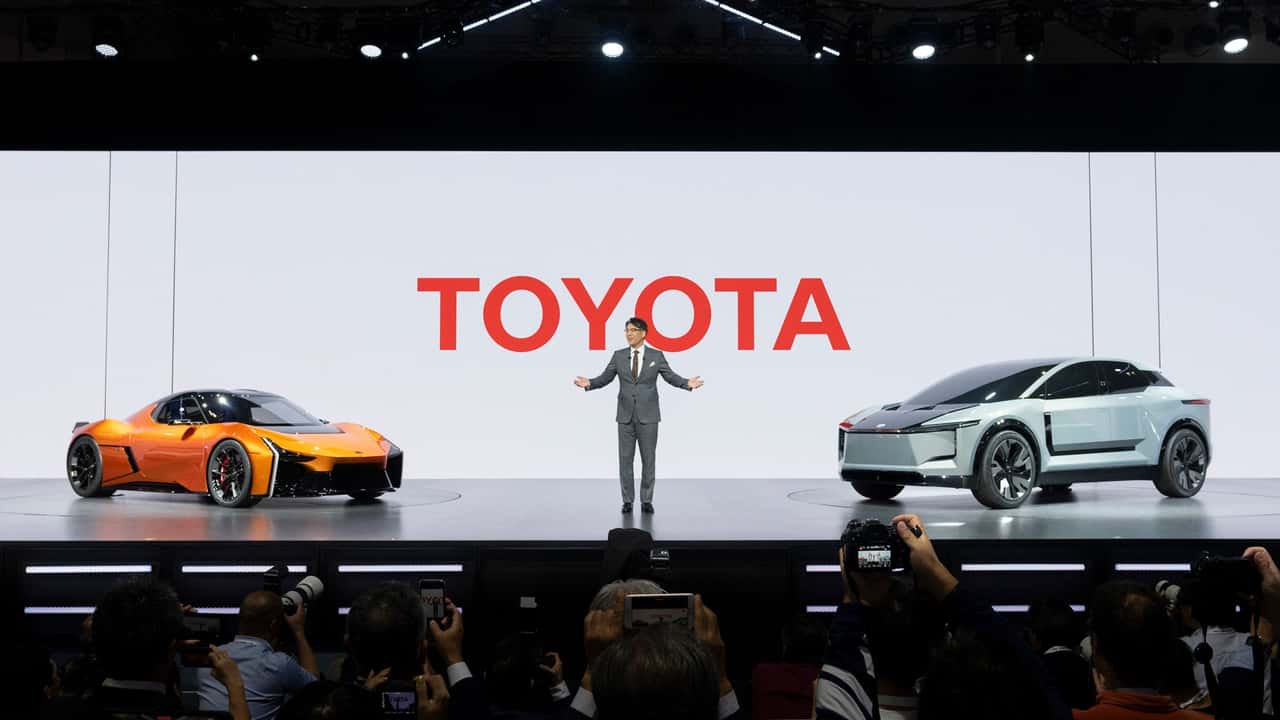
Toyota President Koji Sato issued an urgent call for Japanese automakers to unite against the rising tide of Chinese EV manufacturers. The warning strikes at the heart of an industry crisis. Chinese competitors like BYD have seized massive market share globally, particularly in battery technology and affordable electric vehicles.
Sato's appeal for collaboration represents a dramatic departure from Japan's traditionally competitive stance. Japanese automakers have long operated as independent entities, guarding proprietary technology and market territories. Now, facing coordinated Chinese competition backed by state resources and manufacturing scale, Toyota's leadership sees survival in numbers.
The numbers justify the alarm. BYD shipped nearly 1.6 million new energy vehicles in 2023, surpassing Tesla globally. Chinese brands now dominate their home market with 60 percent EV penetration. Japanese automakers, led by Toyota, still rely heavily on hybrids. Toyota's EV sales lag well behind pure-electric leaders.
What specific collaboration Sato envisions remains unclear. Joint battery development represents the most logical path. Chinese competitors control costs through vertically integrated supply chains. Japanese makers currently depend on suppliers like Panasonic and AESC, which lack the scale of CATL or BYD's battery divisions.
Japanese automakers face structural challenges beyond manufacturing. Technology partnerships, shared R&D investments, or coordinated supply chain strategies could level the playing field. However, antitrust concerns and corporate cultures built on rivalry complicate unity.
The timeline matters. Chinese EVs penetrate markets faster each year. If Japanese automakers wait for government intervention or gradual reorganization, gaps widen. Sato's rhetoric signals desperation but also clarity. Toyota cannot outspend or out-innovate China alone. Honda, Nissan, and Mazda face the same reality.
Whether competitors will heed this call remains uncertain. Previous attempts at major Japanese