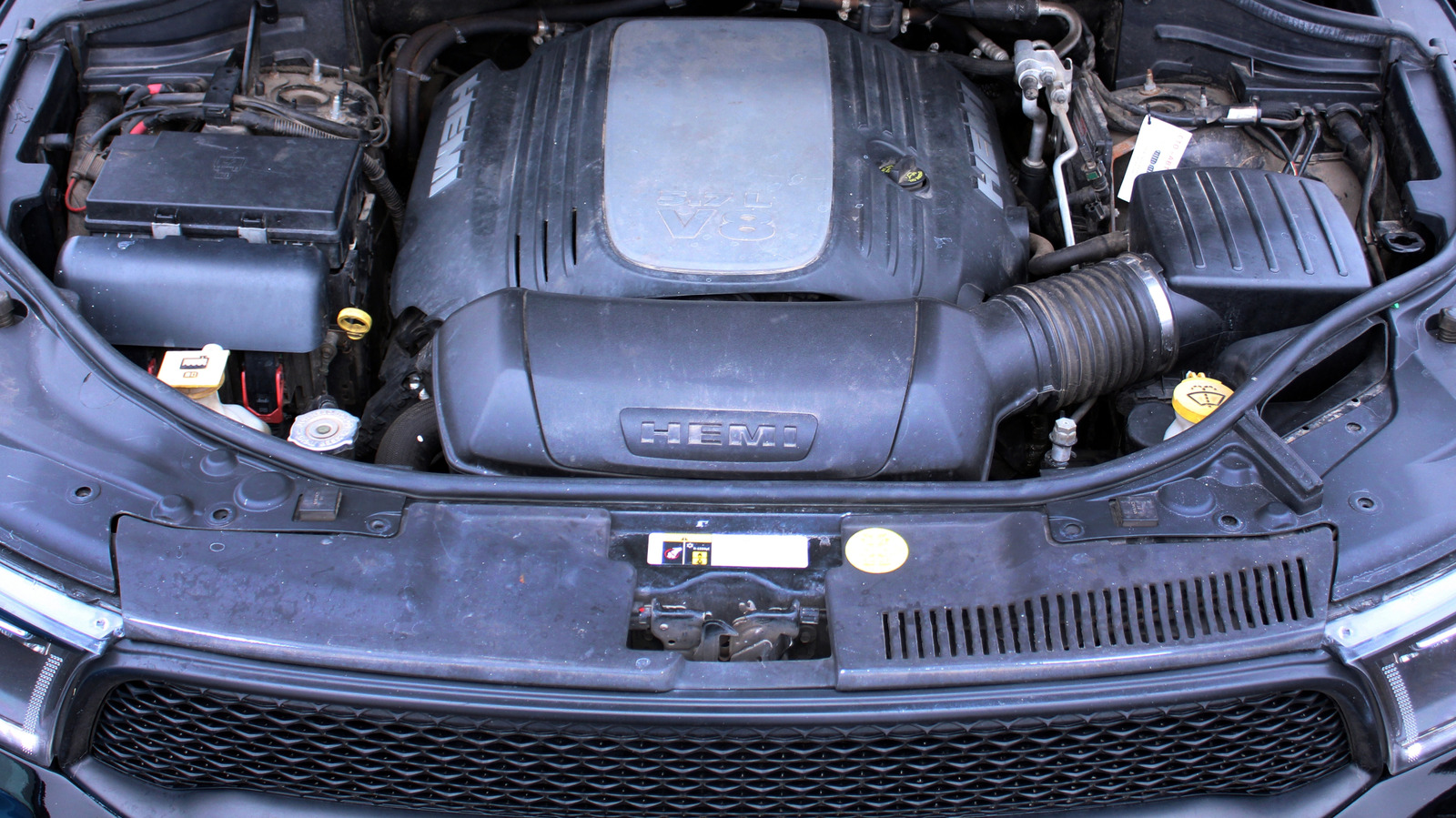
Dodge and Mopar enthusiasts distinguish between two distinct generations of Hemi V-8 engines, each with defining characteristics that shape performance and collectibility.
Pre-Eagle Hemis represent the original architecture that dominated American muscle cars from the late 1960s through the early 1970s. These engines featured the iconic wedge combustion chamber design with a displacement typically at 440 cubic inches or 426 cubic inches in peak form. The casting and internal components reflect older manufacturing standards, with thicker block walls and simpler fuel delivery systems. These engines delivered raw power through mechanical advantages rather than sophisticated electronic control.
Eagle Hemis arrived as a modernization effort, introducing updated internal geometry, improved breathing characteristics, and reinforced block construction. The Eagle designation signals Mopar's commitment to durability and higher RPM capability. These engines incorporated better flow paths, stronger main bearing saddles, and revised piston designs. Fuel injection compatibility came easier with the Eagle generation, allowing builders to retrofit modern induction systems without extensive modifications.
The practical difference matters significantly for restoration shops and performance builders. Pre-Eagle Hemis command higher prices among purists seeking original muscle car authenticity, particularly in first-generation Dodge Chargers and Plymouth Road Runners. Their legendary status and rarity drive collector demand. Eagle Hemis appeal to builders prioritizing reliability and modern performance upgrades because the stronger internals handle boost and forced induction better than their predecessors.
Displacement, horsepower output, and torque delivery varied across both generations depending on specific year and application. Factory ratings ranged from 375 horsepower in basic versions to over 425 horsepower in high-performance 440 Magnum variants. The Eagle platform's engineering allows contemporary builds to exceed 600 horsepower without exotic modifications.
Today's hot rod market reflects this divide clearly. Res