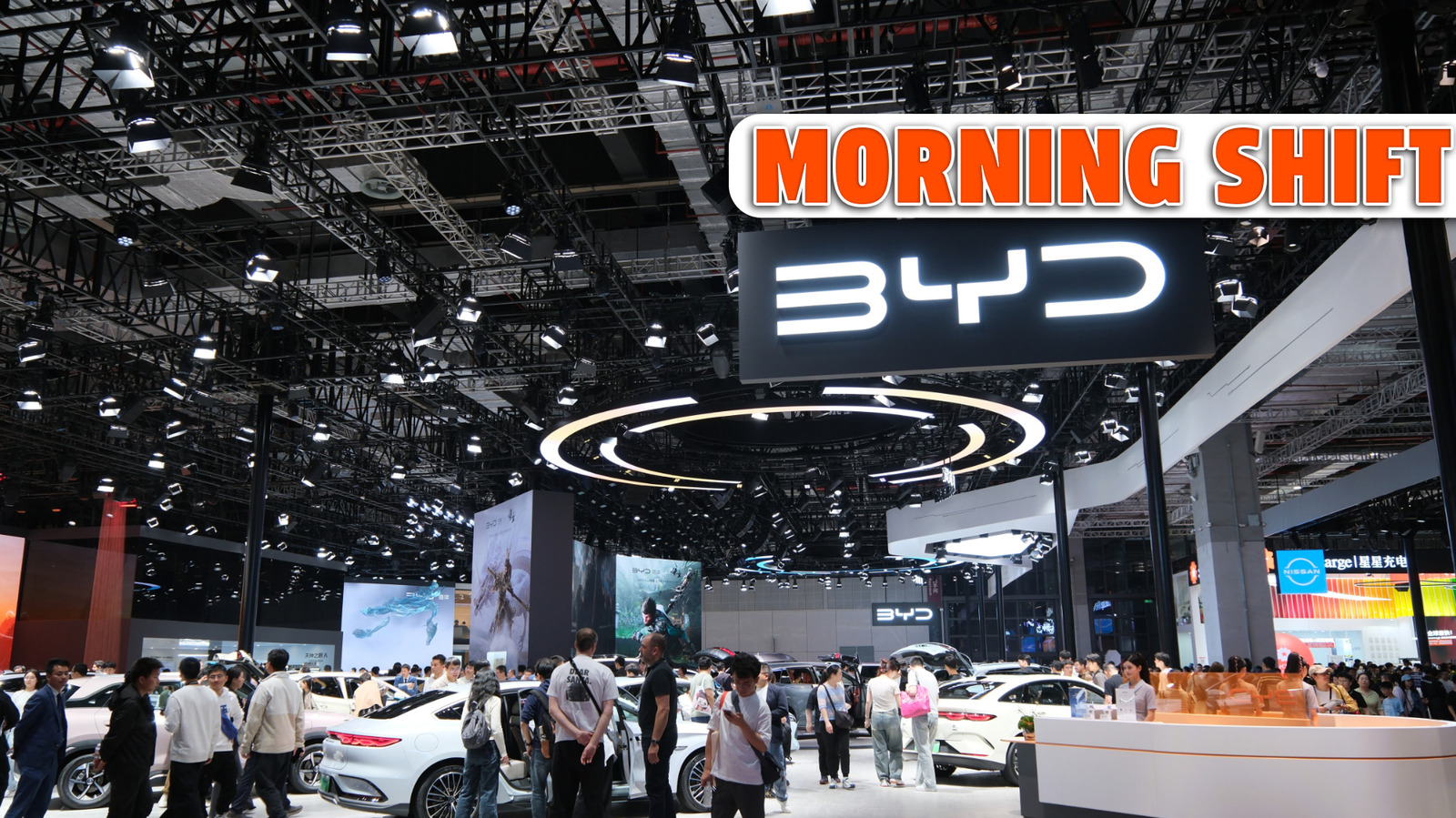
China's automakers launched new models at a staggering pace in 2026, introducing four distinct vehicles daily through the year so far. This velocity underscores the intensity of competition in the world's largest auto market, where domestic manufacturers now dominate sales and technology development.
Chinese brands like BYD, Li Auto, and NIO continue flooding the market with new offerings across every segment. Battery electric vehicles, plug-in hybrids, and traditional combustion engines all receive constant model refreshes and entirely new nameplates. The strategy reflects both overcapacity and a rush to capture market share before consolidation inevitably occurs.
For context, Western automakers introduce perhaps a handful of new models globally each year. General Motors, Volkswagen, and Ford manage their portfolios carefully to justify production capacity and dealer networks. China's domestic manufacturers operate differently. They launch variants, rebadged versions, and platform derivatives at rates that would bankrupt traditional carmakers. This aggressive cadence suggests the Chinese market contains far too many competitors chasing limited buyer demand.
The pace also reveals China's manufacturing advantage. Retooling factories, launching supply chains, and scaling production happens faster and cheaper than anywhere else globally. Government support, cheap capital, and massive domestic demand enable this expansion. When a model underperforms, manufacturers simply discontinue it and launch a replacement within weeks.
Yet this frenzy creates problems. Dealers struggle with inventory management. Consumers face paralyzing choice. Quality suffers when development cycles compress. Several manufacturers will inevitably fail when the market corrects.
For global automakers, China's new-model velocity demonstrates both opportunity and threat. The domestic EV transition accelerates faster here than anywhere else. Battery technology, autonomous features, and affordable electrification originate from Chinese labs and factories. Western manufacturers either compete directly in China or license technology from Chinese suppliers. Neither option looks appealing when facing