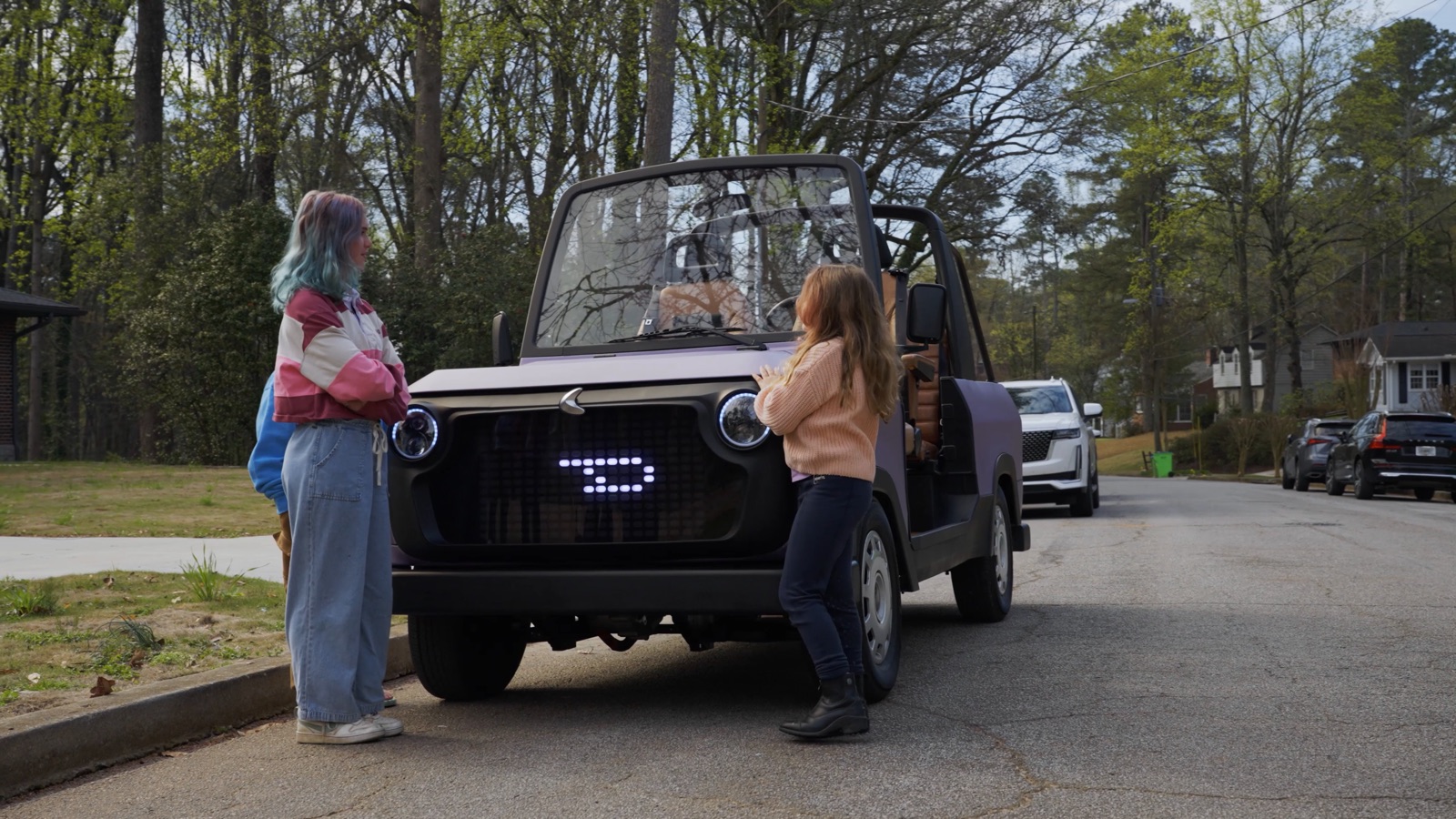
Chip Motors, a Miami-based startup, has introduced Chip, an electric "life utility vehicle" priced from $15,000. The boxy, open-air four-seater maxes out at 25 mph and targets the booming low-speed vehicle segment for short daily commutes.
The vehicle positions itself in one of the EV market's fastest-expanding niches. Low-speed electric vehicles have gained traction as urban transportation solutions that bypass traditional car regulations in many jurisdictions. Cities across America classify these vehicles separately from standard automobiles, allowing operation in areas where full-speed EVs face restrictions.
Chip's $15,000 entry price undercuts conventional electric cars substantially. Competitors in the low-speed space include vehicles like the Polaris GEM and Street-legal golf carts, which fill a gap between scooters and proper cars. The open-air design suggests practicality for warm climates, particularly appealing in Florida where Chip Motors operates.
The 25 mph top speed limitation reflects the vehicle's purpose. These machines work for last-mile transportation, campus shuttling, retirement communities, and neighborhood cruising. They're not highway-capable, but that's intentional. Insurance, licensing, and infrastructure requirements drop significantly for low-speed vehicles in most states, reducing ownership friction.
This segment reflects broader EV industry dynamics. As battery costs drop and consumer demand for affordable electric transportation grows, manufacturers pursue underserved niches. The low-speed vehicle market represents an accessible entry point to EV ownership for buyers priced out of traditional electric sedans and SUVs.
Chip Motors enters a landscape with established players and growing competition. The startup's success depends on build quality, reliability, dealer support, and navigating state-by-state regulations governing low-speed vehicle classification. The company must differentiate beyond price to survive in a segment