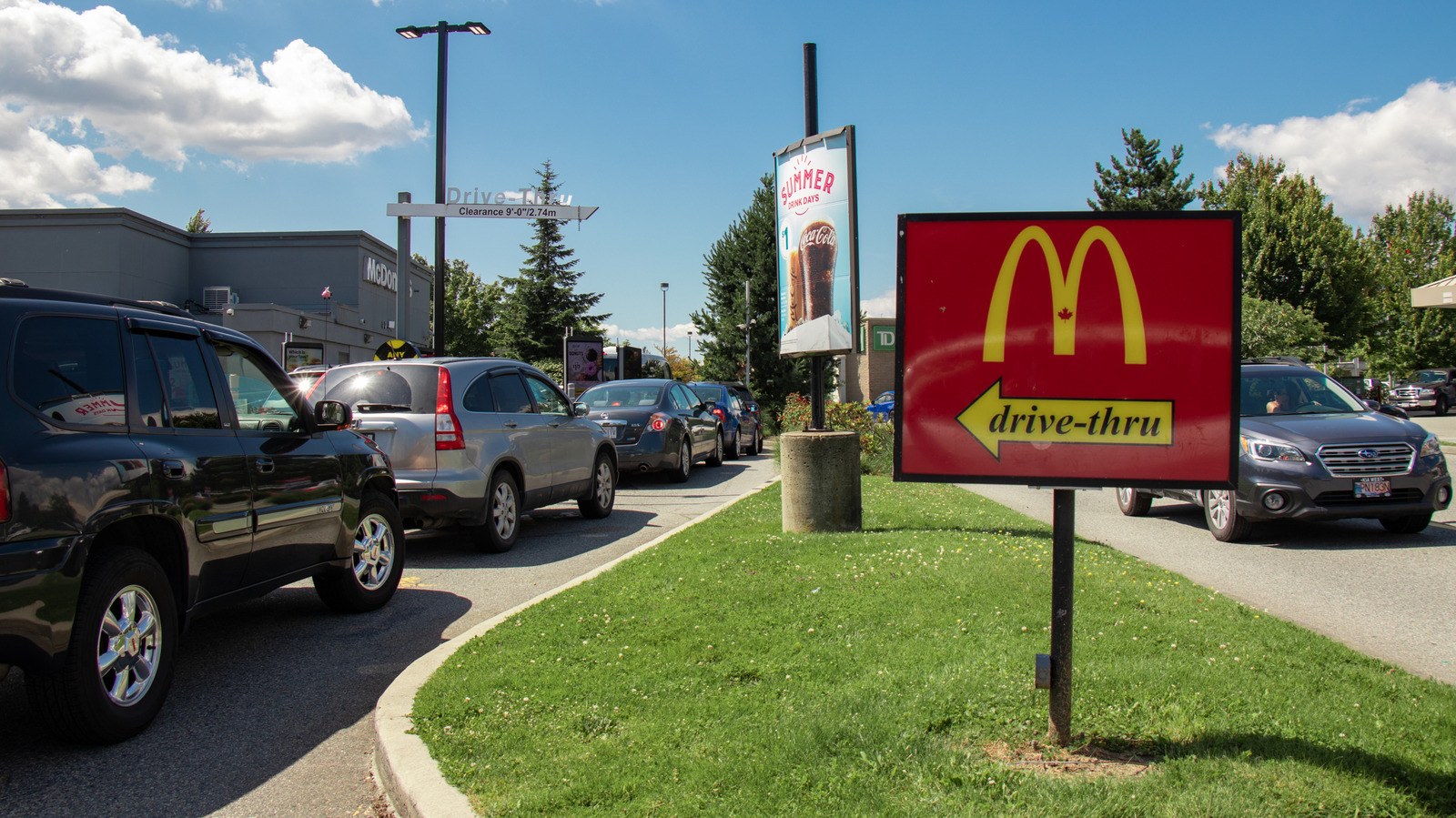
Drive-thru bans are spreading across American cities, yet the total number of drive-thru locations continues climbing. This contradiction defines a fundamental tension in urban planning and consumer behavior.
Cities like San Francisco, Berkeley, and parts of Los Angeles have implemented restrictions or outright bans on new drive-thru construction. Their rationale centers on reducing traffic congestion, emissions, and encouraging walkable communities. Planners argue drive-thrus incentivize car dependency and create pollution hotspots in residential areas.
Yet the numbers tell a different story. Despite these municipal headwinds, the restaurant industry adds thousands of drive-thru locations annually. Fast-casual chains like Chipotle Mexican Grill have made drive-thrus central to their growth strategy, reporting record profits partly fueled by convenient ordering and pickup options. QSR operators recognize drive-thrus as traffic drivers during labor shortages and post-pandemic consumer preferences.
The disconnect stems from geography. Progressive coastal cities imposing restrictions represent a small fraction of the U.S. market. The vast majority of metropolitan areas and suburban sprawl still actively welcome drive-thru development. Chains follow demand wherever it exists, which remains substantial in middle America, the South, and rapidly growing suburbs.
COVID-19 accelerated this divergence. Consumers embraced contactless ordering and curbside pickup. Major chains from McDonald's to Starbucks expanded drive-thru capabilities, added mobile ordering integration, and built standalone drive-thru-only formats. These convenience features proved so profitable that corporate resistance to urban bans remains minimal. Companies simply relocate expansion capital to friendlier jurisdictions.
The trend suggests drive-thrus won't disappear despite regulatory opposition. Instead, America may see a two-tier system: coastal urban centers restricting them while peripheral markets saturate. For automakers and fuel companies, this maintains the