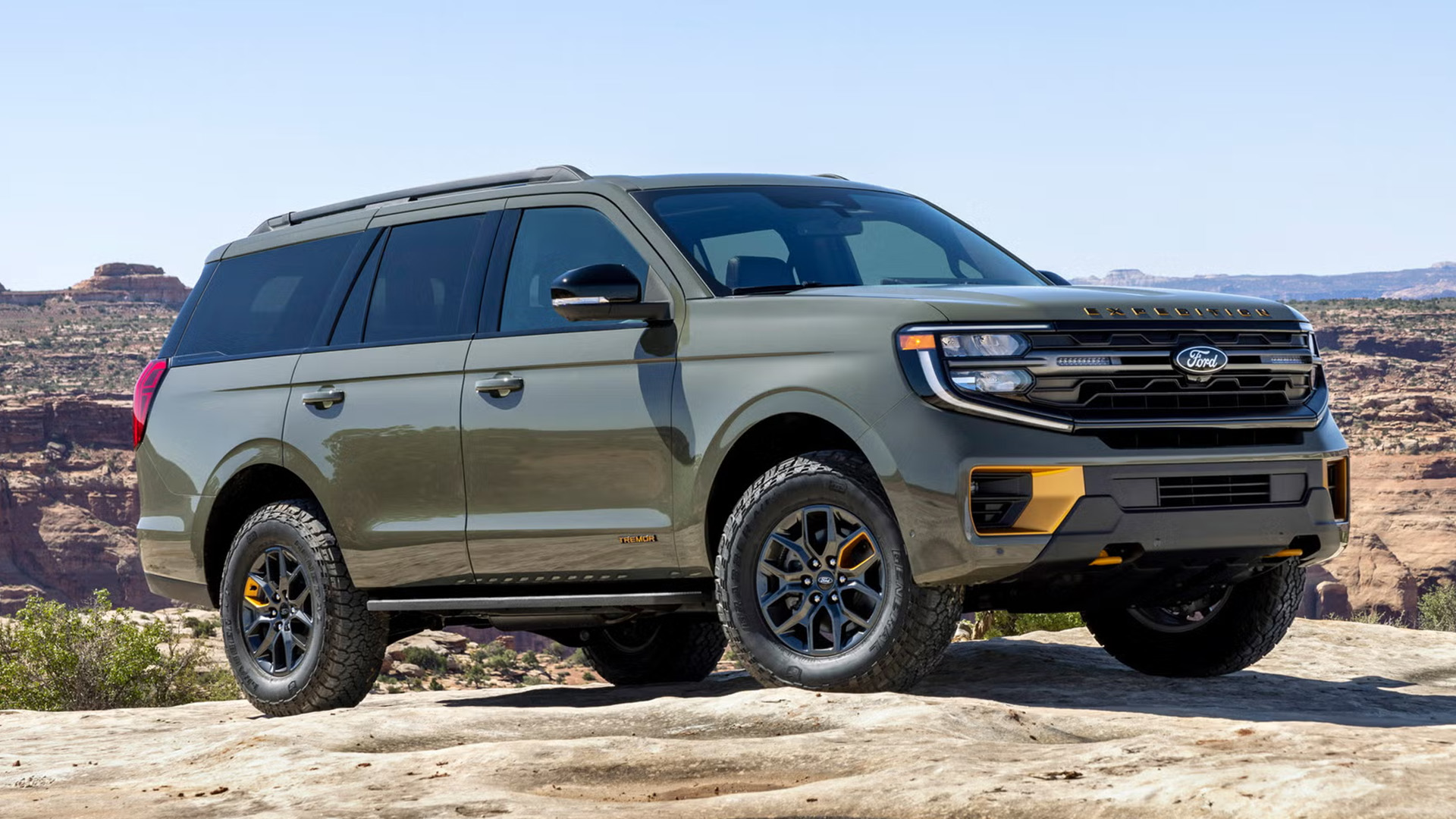
Ford expanded its remote engine kill-switch technology across nearly its entire lineup after launching the feature on F-Series trucks last year. The engine start inhibitor allows owners to disable their vehicle's engine remotely, typically through a smartphone app or connected service.
The technology addresses a growing theft problem. Modern vehicles with keyless ignition systems remain vulnerable to relay attacks, where thieves intercept wireless signals between key fobs and cars to steal them without breaking in. Remote disablement gives owners a last-resort defense mechanism. If a vehicle gets stolen, the owner can shut down the engine mid-drive, preventing the thief from reaching their destination.
Ford's expansion brings the feature to models beyond trucks. Most new Fords now ship with this capability, integrating it into existing connected-car platforms. Owners access the function through Ford's FordPass app or manufacturer-paired mobile services.
The rollout reflects broader industry shifts toward connected security features. General Motors, BMW, and other manufacturers have introduced similar systems. Insurance companies view these tools favorably, sometimes offering modest premium discounts for vehicles equipped with anti-theft technology.
One practical limitation exists. The kill-switch only works when the owner detects theft and remotely activates it. It does not prevent initial theft or stop determined criminals from disabling the vehicle's connectivity systems. The feature works best as a recovery aid after theft is reported to authorities.
Ford initially deployed the engine start inhibitor on the F-150, F-250, and F-350 trucks due to their high theft rates. Pickup trucks consistently rank among America's most-stolen vehicles. The company saw demand extend beyond the truck market, prompting the broader rollout.
Consumer adoption depends on driver awareness and comfort using smartphone-based controls while vehicles are in motion. Some owners worry about false activation or connectivity failures during legitimate use. Ford has designed safeguards to prevent accidental disabling