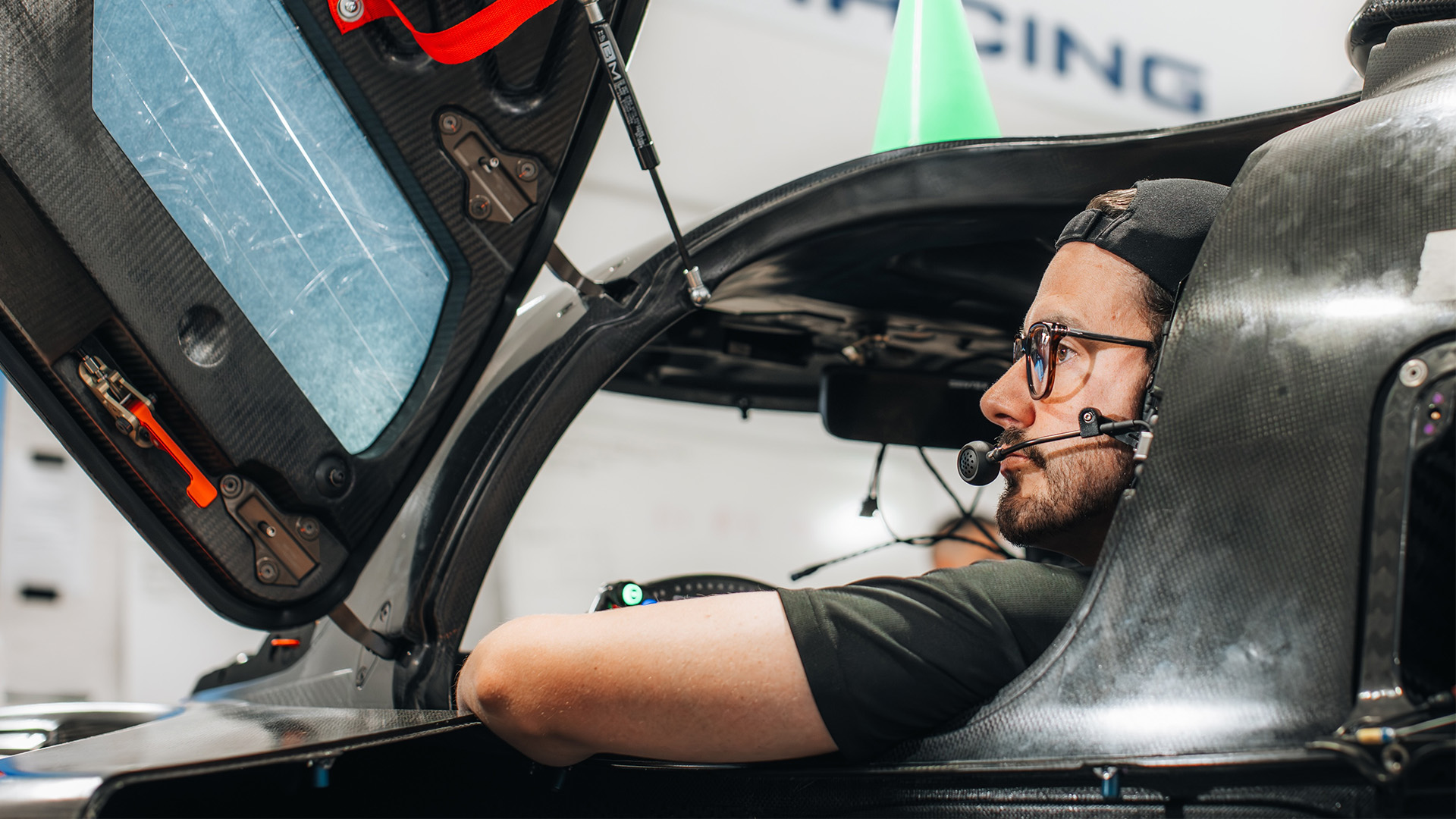
Ford's new WEC hypercar runs a naturally aspirated Coyote V8, not a turbocharged EcoBoost engine. The automaker revealed the powerplant firing up for the first time, marking a significant choice for its top-tier racing program.
The Coyote V8 carries deep roots in Ford's performance DNA, powering Mustangs and other muscle cars for over a decade. Using this proven architecture for endurance racing reflects Ford's confidence in the engine's reliability and power delivery at the highest competitive level. The naturally aspirated setup contrasts with the efficiency-focused EcoBoost formula that dominates modern motorsport, where turbocharging squeezes performance from smaller displacements.
This decision reveals Ford's strategic direction. While turbocharged six-cylinder engines offer better fuel efficiency and lighter packaging, Ford opted for the raw power and simplicity of eight cylinders. The Coyote brings established tuning knowledge, robust internals, and the linear power characteristics that matter in long-distance racing where driver fatigue and predictability factor into lap times.
The WEC hypercar class sits at the apex of sports car racing, competing against Porsche, Ferrari, Lamborghini, and other manufacturers in grueling events like Le Mans 24 Hours. Engine choice defines competitiveness. Ford's selection suggests the Coyote platform offers advantages the company believes outweigh the EcoBoost's efficiency gains in this specific application.
Hearing the V8 fire up marks the program's transition from development to reality. The hypercar still needs extensive testing before competition, but the engine's first startup confirms major systems work. Ford enters a crowded field with proven manufacturers and unlimited budgets, but the Coyote gives the automaker familiar territory. The engine development team understands every variable from road cars to track duty.
This