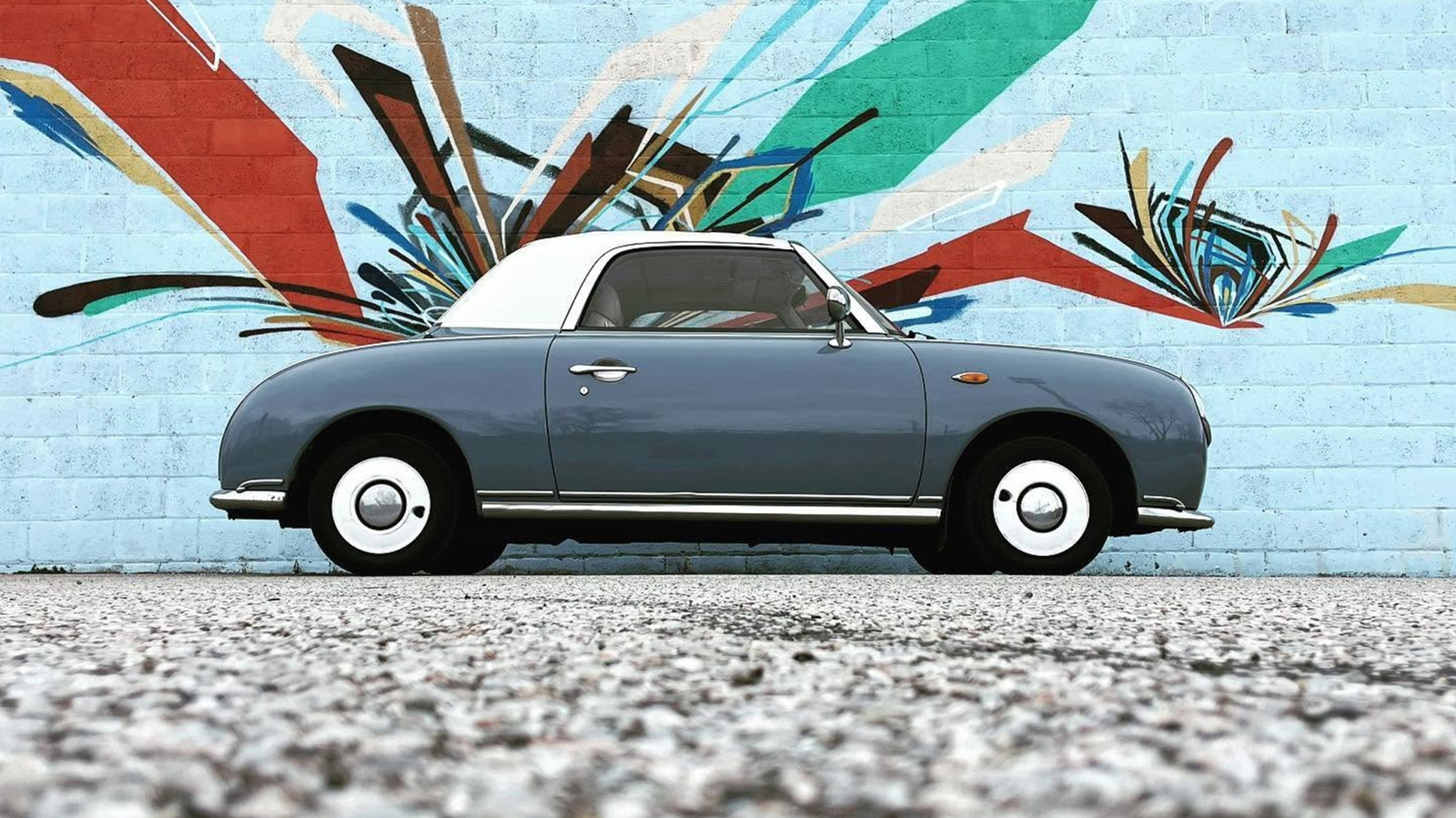
The Nissan Figaro promised charm on a budget, but ownership reality proved messier than nostalgia. This boxy Japanese kei car from the early 1990s delivers retro aesthetics and affordable pricing, yet falls short when actually living with one daily.
The Figaro's appeal is obvious. Its compact footprint, convertible soft top, and cheerful styling attract buyers seeking a quirky alternative to conventional vehicles. The 987cc three-cylinder engine produces modest power, and the automatic transmission keeps things simple. Pricing sits well below conventional sports cars, making it accessible.
But simplicity becomes tedious fast. The Figaro lacks creature comforts modern drivers expect. Climate control is nonexistent. Wind and road noise penetrate the thin convertible roof during highway driving. The diminutive engine struggles with heavy loads and sustained acceleration. Interior materials feel cheap. Storage is minimal. Visibility suffers from the high beltline and small windows.
Reliability concerns emerge quickly for imported examples. Parts availability in North America remains spotty. Finding a knowledgeable mechanic becomes a hunt. Rust develops aggressively on used examples, particularly around the floor pan and suspension components. Insurance companies treat these cars as specialty vehicles, raising premiums unexpectedly.
The fundamental issue: the Figaro works best as a show car or occasional summer toy. Daily driving exposes its limitations ruthlessly. Long-distance trips become endurance tests. Practical cargo capacity virtually disappears once passengers occupy seats. Weather protection proves inadequate.
The automotive nostalgia market often misleads buyers into romanticizing genuinely flawed vehicles. The Figaro's design charm cannot overcome engineering compromises built into a 1990 economy car designed for Japanese markets where consumers accepted different standards.
For buyers seeking novelty and conversation starters, the Figaro delivers. For those expecting functional