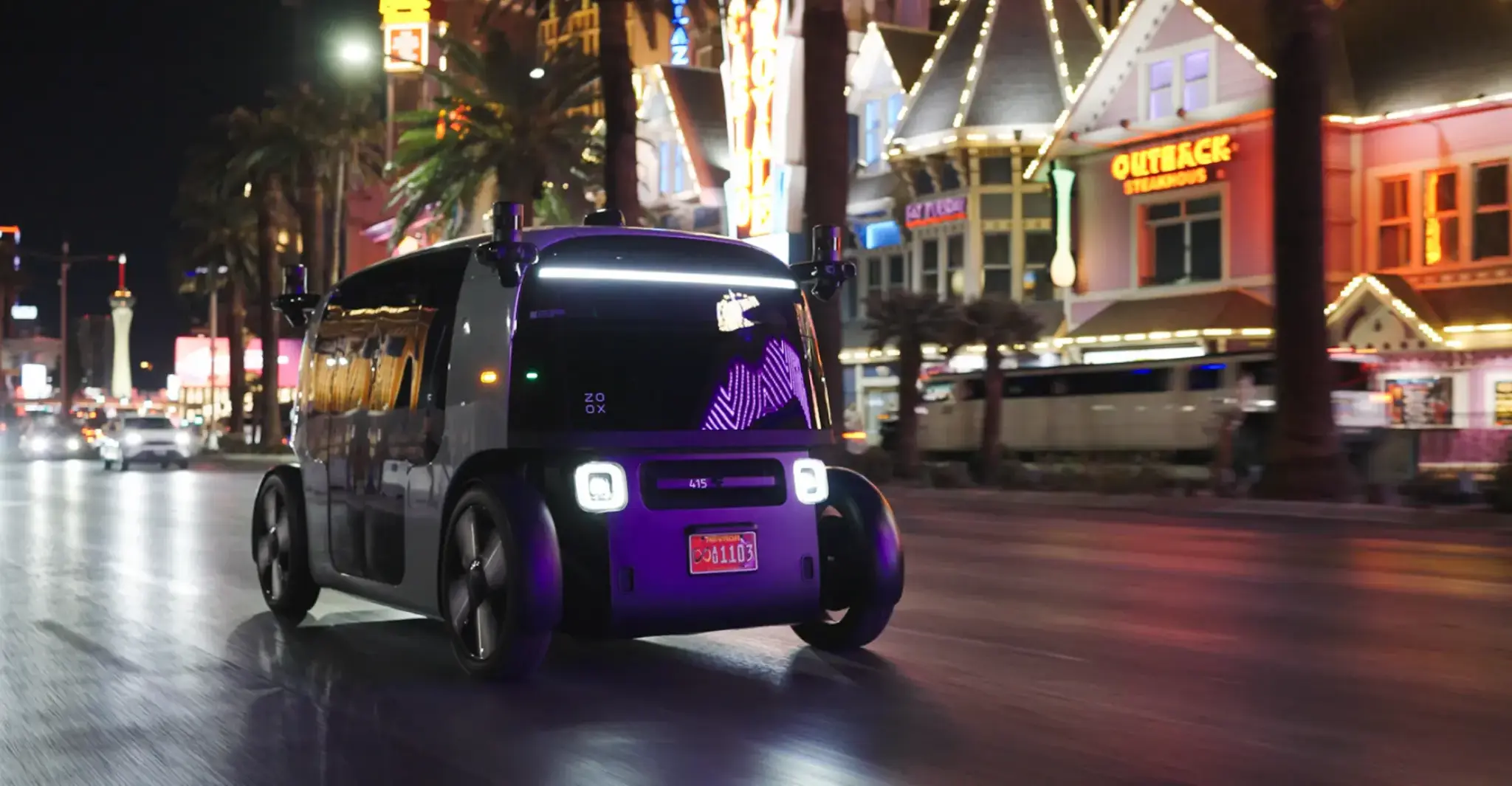
The National Highway Traffic Safety Administration has set a 2028 deadline to establish a comprehensive federal safety rulebook for robotaxis, marking the first concrete timeline for standardized autonomous vehicle regulations at the national level.
NHTSA's approach emphasizes performance-based standards rather than prescriptive rules. This means regulators will define what safety outcomes autonomous vehicles must achieve, allowing manufacturers flexibility in how they meet those benchmarks. The agency recognizes that robotaxi companies currently operate under a fragmented landscape where each state sets its own requirements, creating operational complexity for Waymo, Cruise, and other developers expanding across multiple jurisdictions.
The 2028 timeline addresses an urgent industry need. Robotaxis are already operating in San Francisco, Phoenix, and other cities, but without uniform federal standards, scaling becomes difficult. A company must negotiate different approval processes in California, Arizona, Texas, and beyond. Performance-based rules would streamline this by establishing a single national floor for safety validation, testing protocols, and failure response systems.
This regulatory approach differs from how NHTSA traditionally handles vehicle safety. Rather than mandating specific hardware configurations or sensor types, performance standards allow manufacturers to prove their systems work reliably across diverse conditions. A robotaxi must demonstrate it can handle edge cases, communicate system failures, and maintain safety even when confronted with unexpected road scenarios.
The deadline also reflects NHTSA's acknowledgment that the autonomous vehicle sector cannot mature under a patchwork of state regulations. Companies like Waymo have requested federal preemption to operate consistently nationwide. Without it, the cost of compliance multiplies, and deployment timelines stretch across years of state-by-state approval processes.
However, 2028 remains four years away. Until then, robotaxi operators continue pursuing individual state approvals while working with NHTSA on information gathering. This interim period tests whether current operations maintain public confidence.