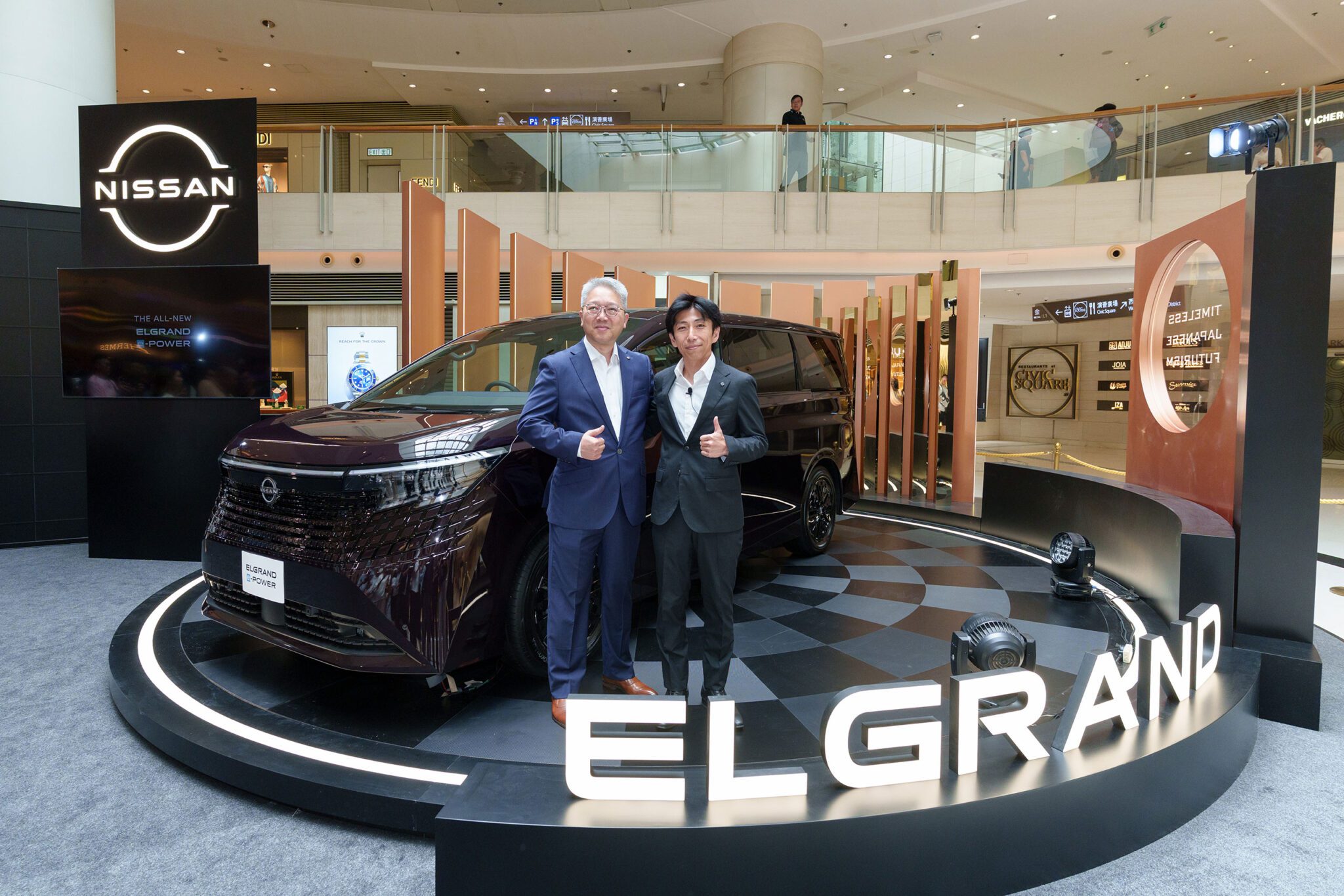
Nissan introduced the Elgrand e-POWER minivan outside Japan for the first time in Hong Kong, signaling the automaker's confidence in the hybrid-electric powertrain for premium family vehicles in Asia's affluent markets.
The Elgrand e-POWER pairs a gasoline engine with electric motors to deliver improved fuel efficiency without requiring plug-in charging infrastructure. This hybrid setup appeals to buyers seeking emissions reduction without the charging anxiety that plagues battery-only vehicles in regions with developing EV infrastructure.
Hong Kong's selection as the global debut venue carries strategic weight. The city remains a key indicator of luxury consumer preferences across Greater China and Southeast Asia. Nissan's choice underscores how legacy minivans, once dismissed as outdated, continue commanding strong demand in Asia where family hauling needs persist and fuel economy matters.
The Elgrand has dominated Japan's minivan segment for decades. The e-POWER variant now extends that dominance into international markets where three-row family vehicles serve both personal and commercial needs. Toyota's Alphard, its closest competitor, already offers hybrid powertrains, so Nissan's move directly matches that competitive pressure.
e-POWER technology has proven resilient in Japan's market. The system prioritizes electric motor drive with the gas engine operating at optimal RPM for charging or supplemental power, delivering driving dynamics closer to full battery-electric vehicles while maintaining gas-engine range and refueling convenience.
Hong Kong's affluent demographics and premium vehicle preferences make it an ideal test bed for premium minivans. The city's dense urban driving, congestion charges, and parking premiums favor efficient, compact footprints. The Elgrand's size and powertrain align perfectly with these conditions.
Nissan's global rollout of e-POWER technology extends beyond minivans. The automaker continues expanding the system