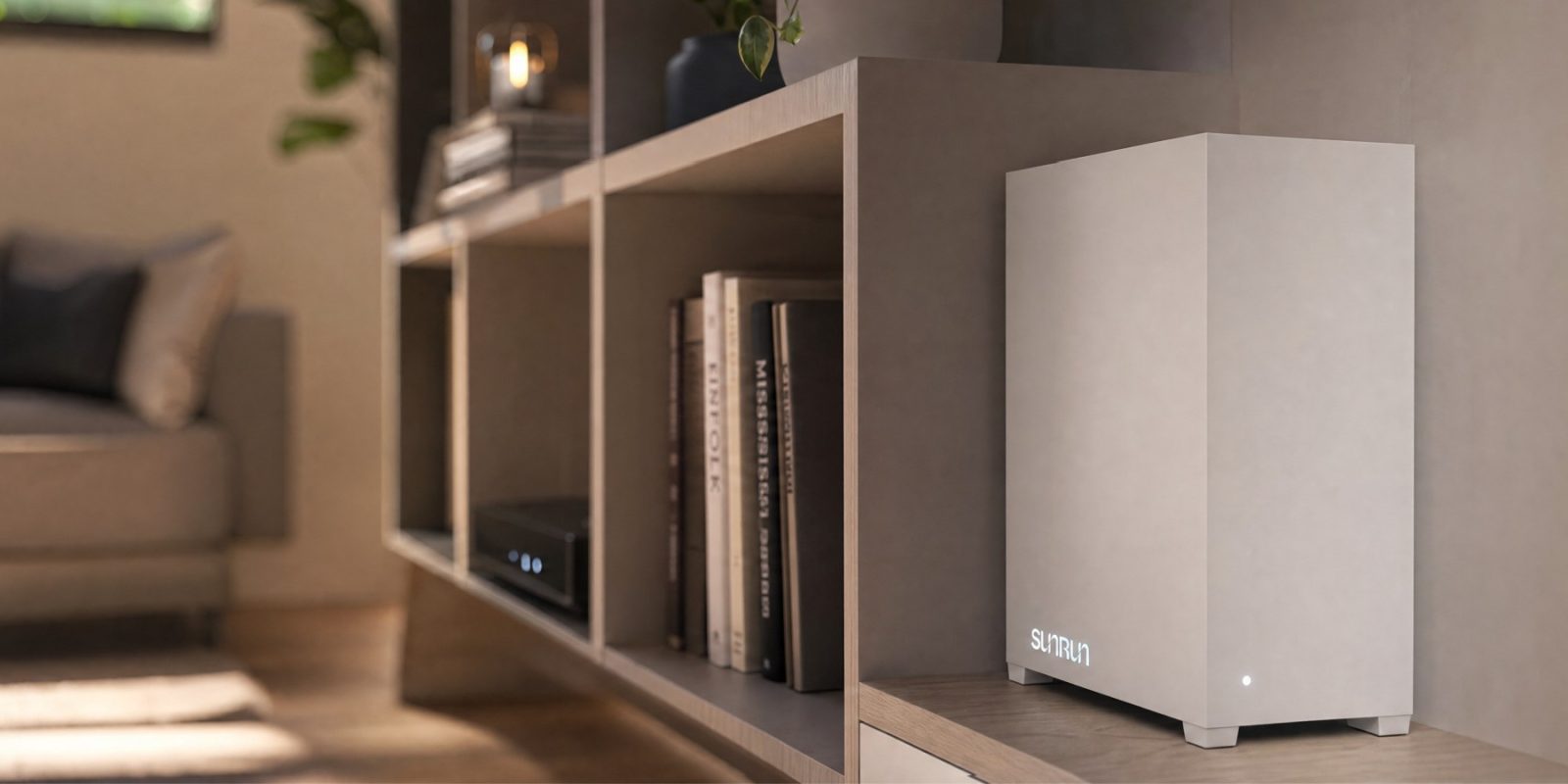
Sunrun is launching an aggressive pivot into distributed computing. The rooftop solar installer plans to convert thousands of residential solar systems into a network that generates revenue for homeowners by hosting AI computation workloads.
The economics work like this. Homeowners with Sunrun solar installations generate excess power during peak sun hours. Instead of sending that energy back to the grid at wholesale rates, Sunrun wants to use it locally to power servers running AI models. Homeowners earn payment for this compute capacity, creating a new revenue stream beyond traditional net metering credits.
This strategy addresses two industry headwinds simultaneously. Solar installers face margin compression as equipment costs decline and competition intensifies. Data center operators, meanwhile, chase distributed computing architectures to reduce latency and bypass power grid constraints in overloaded regions. Residential rooftops solve both problems.
Sunrun has scale to pull this off. The company controls roughly 4 million residential solar installations across the United States, making it the largest residential solar provider. Converting even a fraction of this base into compute nodes creates a network rivaling utility-scale data centers in raw processing power.
The execution risks are real. Homeowners must accept unfamiliar equipment on their premises and accept load shifting that prioritizes AI computation over their own power consumption during peak hours. Reliability and cooling present engineering challenges that centralized data centers solved decades ago. Sunrun also faces regulatory hurdles around home electrical systems and interconnection standards.
The AI boom's power appetite creates genuine demand for this model. Training and inference operations consume enormous quantities of electricity, and existing grid infrastructure cannot keep pace. Distributed residential compute networks offer a partial solution while generating income for homeowners who already invested in solar.
This represents a fundamental reimagining of the residential solar business model. Sunrun moves beyond being a power provider to becoming an infrastructure operator. Success here could reshape how utilities, data center