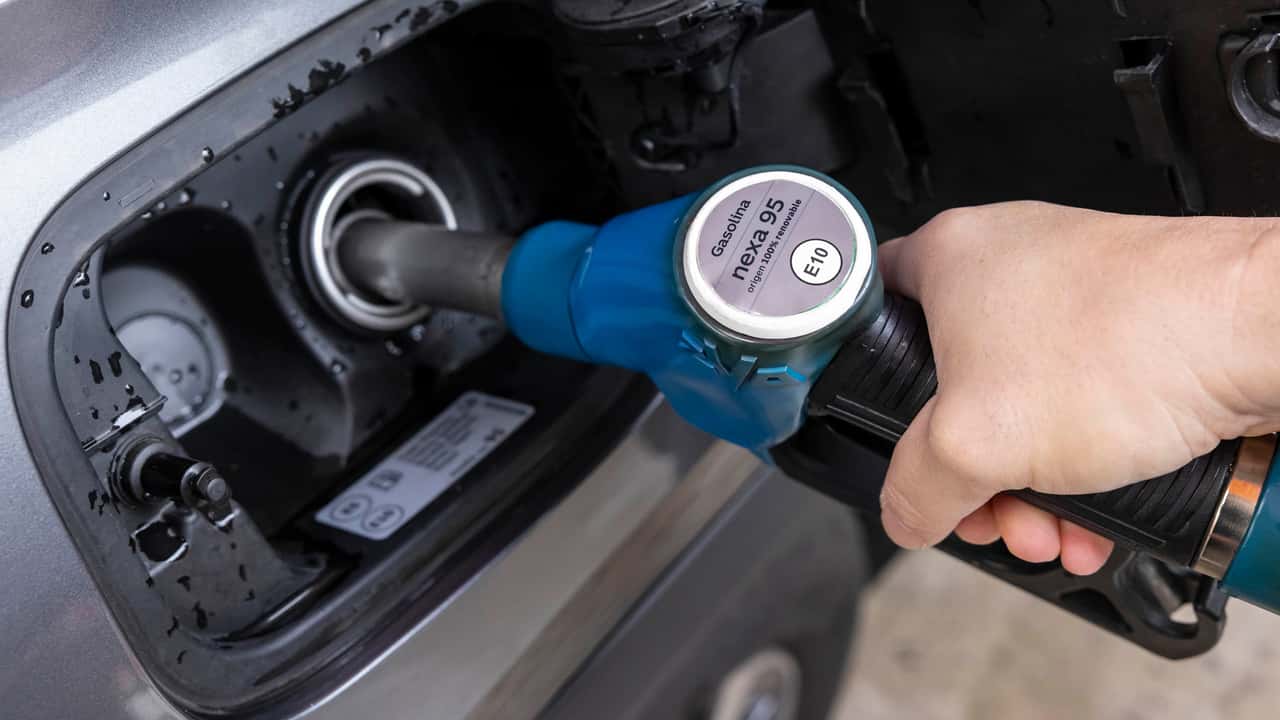
Toyota and BMW have launched real-world testing of Repsol's Nexa 95 renewable gasoline as an alternative pathway to full electrification. The fuel promises to cut emissions by 70% compared to conventional petrol, addressing a growing debate within the automotive industry about whether EVs represent the only viable route to carbon reduction.
The trial marks a strategic hedge by two of the world's largest automakers. Toyota, which has long championed hybrid technology alongside EVs, sees renewable fuels as a complement to its multi-pronged electrification strategy. BMW, similarly, views the fuel as a bridge technology for markets where charging infrastructure remains inadequate or where consumers resist battery-electric adoption.
Nexa 95 uses waste materials and renewable sources to produce gasoline chemically identical to conventional fuel. This matters because existing engines require no modification to run it. Drivers fill up at standard pumps, travel at normal ranges, and experience zero change in vehicle behavior. For manufacturers, the advantage is clear: they can deploy renewable fuels across existing vehicle fleets without redesigning powertrains or abandoning internal combustion investments.
The environmental case centers on lifecycle emissions. Renewable fuels reduce tank-to-wheel emissions while sidestepping the manufacturing and grid-power challenges that complicate EV carbon accounting. Critics counter that renewable fuel production capacity remains tiny compared to global demand, and the process consumes significant energy regardless of feedstock source.
Industry observers note the trial reflects genuine uncertainty about electrification timelines in key markets. Regulatory pressure in Europe and China accelerates EV adoption, yet consumer hesitation persists in regions with underdeveloped charging networks. Renewable fuels offer a practical option for these in-between years.
Repsol is scaling production capacity, but volumes remain limited. Toyota and BMW's partnership signals that legacy automakers view renewable fuels as worthy of