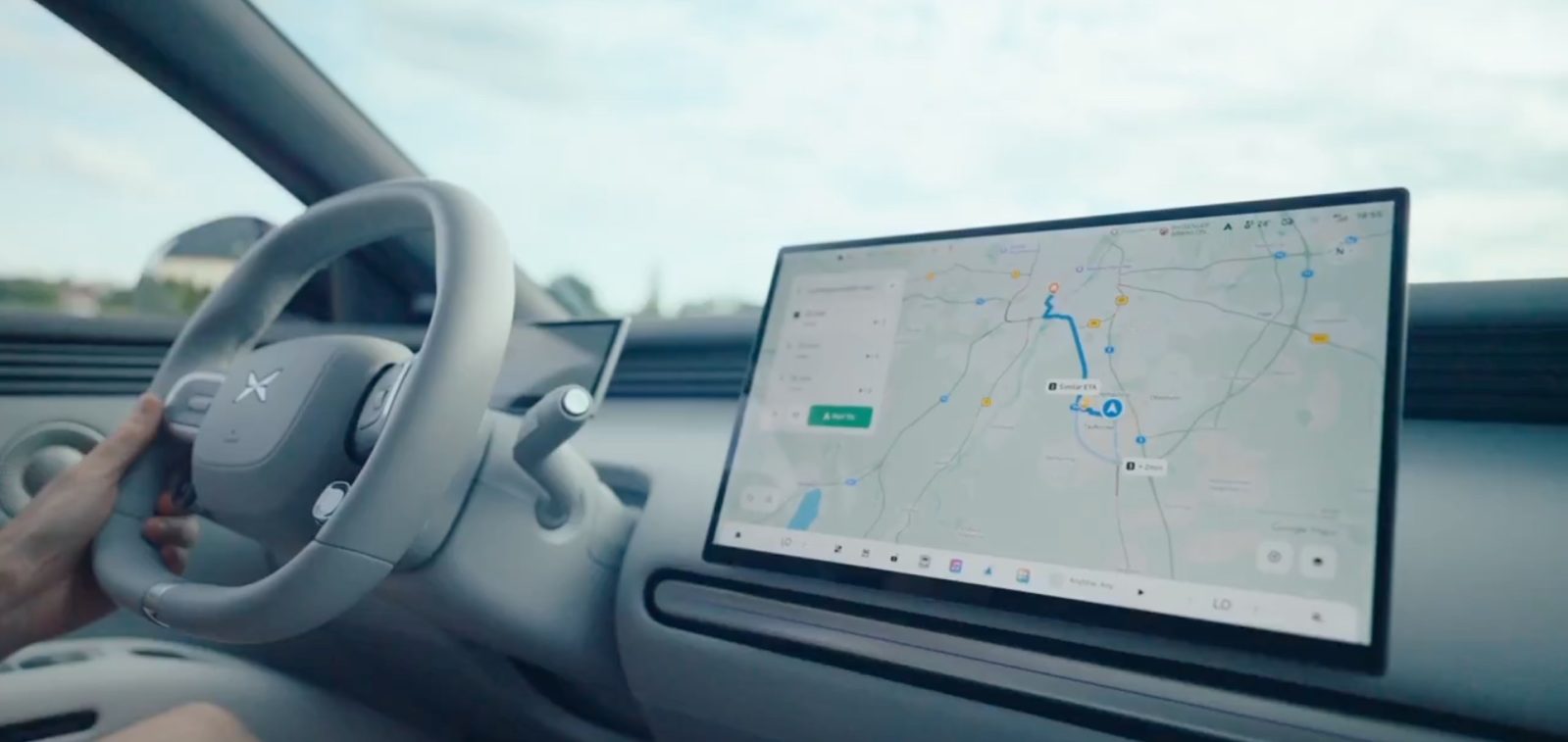
XPeng's new L03 electric SUV coupe becomes the first Asia-Pacific automaker to launch a vehicle with Google Maps Auto SDK integrated directly into the infotainment system. The Chinese EV maker announced the development during the L03's global debut in Munich.
The partnership goes beyond basic navigation. Google Maps data feeds directly into XPeng's NGP and XPILOT ASSIST driver-assistance systems in overseas markets, replacing XPeng's proprietary navigation stack. This integration matters because advanced driver-assistance systems depend on accurate, real-time map data to function properly. Better maps mean better autonomous driving capabilities.
XPeng's move reflects a broader industry shift. Chinese automakers increasingly need partnerships with Western tech firms to compete globally. Google's Auto SDK provides trusted, detailed mapping that regulators and customers expect in developed markets. For XPeng specifically, this removes a major barrier to selling the L03 in Europe and other regions where local navigation familiarity carries weight.
The timing matters too. XPeng has struggled against Tesla and BYD in recent quarters, with slowing sales in China pushing the company harder into international expansion. The L03, a coupe SUV positioned below the G9, targets a younger demographic willing to experiment with Chinese EV brands. Adding Google Maps legitimizes the driving experience for skeptical Western buyers.
The integration also signals XPeng's confidence in its autonomous driving stack. Feeding map data into XPILOT ASSIST suggests the company believes its self-driving tech can match or exceed competitors' systems when equipped with quality inputs. Chinese automakers historically lag Tesla and other leaders in autonomous capability, so partnerships like this one represent steps toward closing that gap.
XPeng hasn't announced pricing or exact availability for the L03 globally, but this Google partnership suggests imminent European launches. The move reshapes how Chinese EVs compete abroad