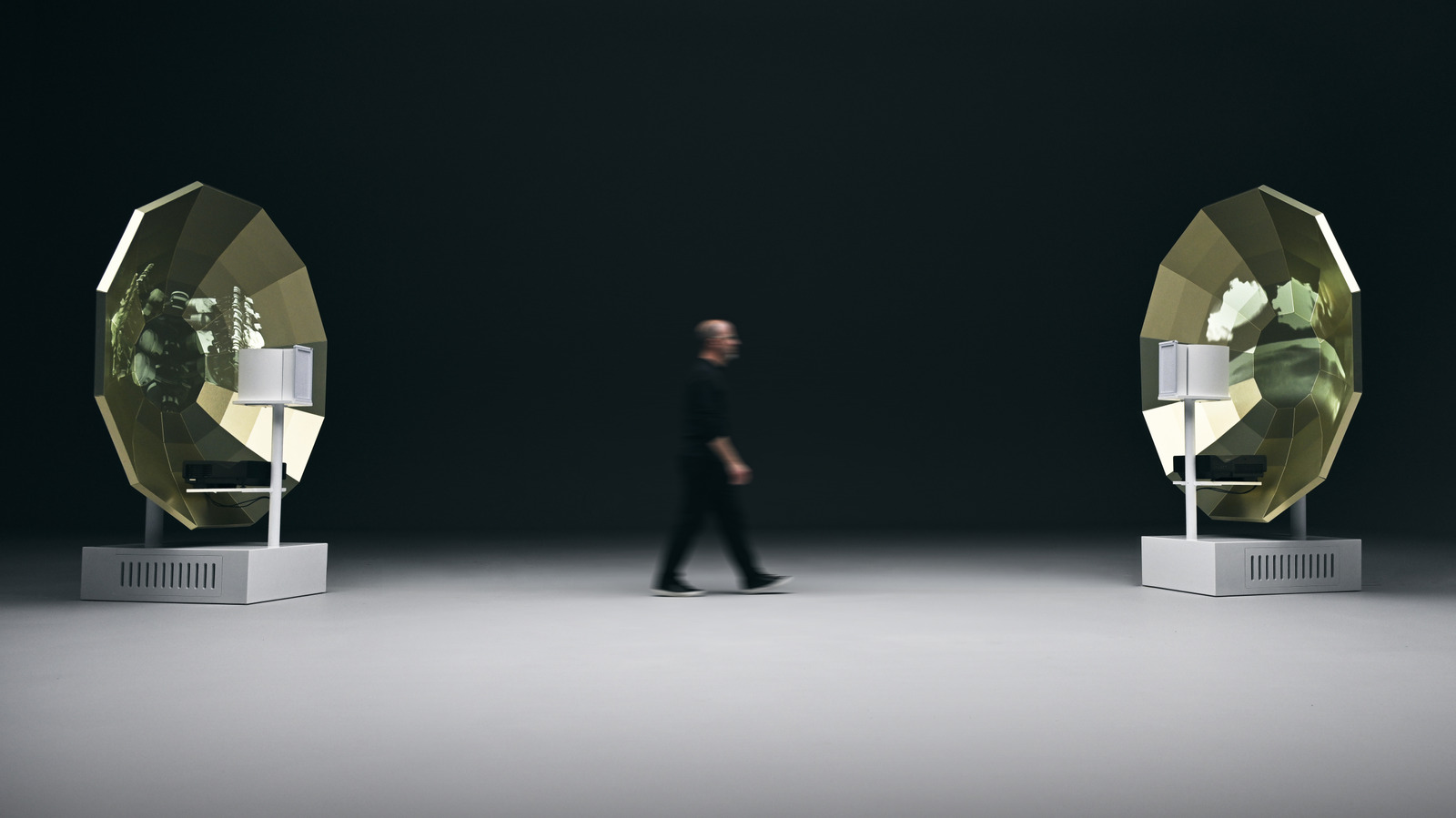
Bentley's new Torcal EV abandons the tired trope of fake engine noise. Instead of synthesizing V8 rumble through speakers, the British marque commissioned actual musicians to compose what it calls Dynamic Symphony—real drums, guitars, and strings that trigger contextually based on acceleration, gear selection, and driving dynamics.
The strategy reflects a broader industry shift away from artificial powertrain mimicry. Tesla, Porsche, and others have experimented with custom soundscapes, but Bentley's approach uses organic instrumentation rather than digital synthesis. The company argues this delivers the emotional resonance of a traditional engine without the pretense of fakery.
Dynamic Symphony activates differently depending on driving mode and vehicle behavior. Hard acceleration triggers more aggressive drum patterns and string swells. Smoother driving produces gentler compositions. The system scales intensity with throttle input, creating a genuine connection between driver input and acoustic feedback.
This matters because Bentley customers expect drama and theater. The brand built its reputation on hand-stitched leather, bespoke finishes, and sensory excess. A silent cabin contradicts that DNA. Rather than duplicate an engine that no longer exists in the Torcal, Bentley created something new that honors the brand's luxury positioning while embracing electrification.
The Torcal itself represents Bentley's EV transition. The coupe concept previews the company's all-electric future as combustion engines phase out globally. While specifications remain limited, Bentley targets ultra-luxury buyers seeking high-performance electric mobility without compromising prestige.
Dynamic Symphony could influence how other luxury automakers approach EV acoustics. Rolls-Royce, Jaguar, and Mercedes-Benz already experiment with custom soundscapes. Bentley's use of live instrumentation sets a new standard—one that prioritizes authent