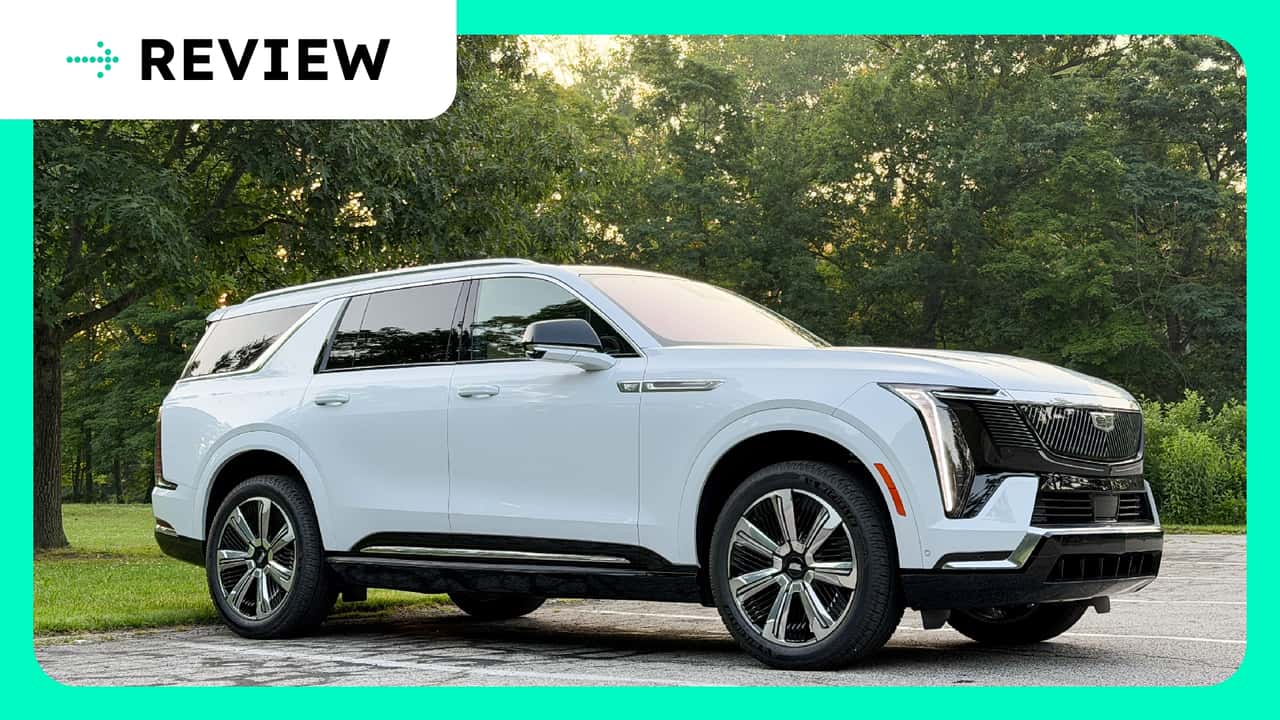
Cadillac's Escalade IQl represents a fundamental shift in how American luxury buyers view electric vehicles. The three-row SUV tips the scales at 9,000 pounds and delivers 750 horsepower, specs that defy conventional wisdom about EV efficiency and sustainability. Yet the vehicle addresses a real market demand: buyers who refuse to sacrifice size, power, or presence when switching to electric.
The Escalade IQL's existence reveals the chasm between EV enthusiasts who prioritize efficiency and mainstream consumers who simply want their traditional luxuries electrified. A gasoline Escalade owner doesn't want a smaller vehicle or longer charging stops. General Motors understands this reality and built accordingly.
The 750-horsepower output makes the Escalade IQL absurdly quick for its mass, delivering acceleration that rivals sports cars. That performance matters to buyers who see electric power as an upgrade to their lifestyle, not a compromise. The three-row configuration maintains Cadillac's traditional family hauling capability while the EV drivetrain eliminates the V8's complexity and maintenance headaches.
Critics rightfully question the energy consumption and practical necessity of a 9,000-pound SUV. The vehicle's efficiency numbers prove ugly. But the automotive market doesn't operate on practicality alone. It operates on desire, status, and what people actually purchase.
The broader industry implication is clear: electrification won't shrink America's appetite for large vehicles. Manufacturers can't force downsizing through battery constraints when buyers simply won't accept it. Instead, they're building giant EVs that satisfy traditional luxury expectations while adding electric performance benefits.
The Escalade IQL doesn't represent the future environmentalists wanted. It represents the future consumers demanded. Until preferences shift, expect more massive electric SUVs from traditional luxury makers. The market has spoken.